Nurse Retention Strategies: How to Keep Your Staff Happy and Reduce Turnover

Nurses are the lifeblood of the healthcare system, delivering care, compassion, and support to patients, often as frontline workers dealing with highly stressful situations. However, despite the role’s humanitarian calling, they are also under siege. Nurse burnout is a real issue. While the Covid-19 pandemic brought some of the daily challenges that nurses face into the light, there’s little argument that those challenges have existed for a long time.

Various studies underlining these issues have been conducted over the years, with some estimates suggesting that two-thirds of all nurses report high levels of job burnout. It’s reported that up to 38% of nurses suffer from workplace-related violence at some point in their career, with a significantly higher risk of being physically, sexually, or psychologically injured within healthcare settings than in other industries.

Perhaps it’s no surprise that nurses are increasingly petitioning for better working conditions, with nearly 100 strikes in the US since 2020. High patient-nurse ratios, low nurse retention, poor working conditions, and improved safety standards are just some of the issues being broached, and with these strikes reflecting a deeper dissatisfaction with an industry that often undervalues and overworks its frontline caregivers, nurses everywhere are demanding change.

As someone dedicated to improving working conditions for millions of workers within every industry, I am deeply committed to ensuring that frontline workers are treated with respect, care, and equality. The shocking levels of nurse burnout and subsequent staff turnover figures are deeply concerning. However, with the correct types of intervention, decreasing nurse burnout and improving nurse retention can be achieved. Addressing these issues in tandem can help build safer and more rewarding workplaces that provide the highest levels of care.

With that in mind, this article will discuss some of the unique challenges and contributing factors that feed into retention and burnout, as well as how your facility can introduce effective strategies to improve working conditions for nurses and build safer workplaces for all stakeholders. Read on to learn more.

Why is Nurse Retention Such a Unique Challenge?

Staff retention in any industry is challenging, but nursing presents unique and complex issues that aren’t easily solved. Nursing requires a balance of technical skill, compassion, and emotional resilience, and the role often puts nurses on the frontline of highly stressful situations that involve people suffering pain and distress. Put simply, they deal with life and death every day.

Nurses within all types of healthcare facilities commonly report:

  • High levels of stress and emotional toll
  • Heavy workload and long hours
  • Limited opportunities for career advancement within the profession
  • Physical and mental exhaustion from demanding work environments
  • Limited resources and support for coping with job-related stressors
  • Burnout due to inadequate staffing and patient overload
  • Compassion fatigue from constant exposure to suffering and trauma
  • Lack of recognition and appreciation for their contributions

Factors Contributing to High Nurse Turnover

Understanding the factors that contribute to high nurse turnover is crucial to addressing burnout, and vice versa. Burnout and turnover are often associated, and at least one study has suggested that almost a third of nurses reported leaving their jobs because of burnout.  Below, we address the main factors reported by nurses as reasons for burnout.

Environment and Culture

Work environment and organizational culture are crucial in determining nurse satisfaction and retention. A supportive and positive work environment fosters engagement, job satisfaction, and commitment among nursing staff. Conversely, a toxic or dysfunctional workplace culture can lead to dissatisfaction, burnout, and high turnover rates.

Workload and Staffing Issues

Heavy workloads and inadequate staffing levels are significant contributors to nurse turnover. When nurses are consistently overburdened with responsibilities and unable to provide quality care due to understaffing, they’re more likely to seek employment elsewhere or leave the nursing workforce entirely.


Lack of Support and Recognition

Nurses thrive in environments where they feel valued and supported, however, a lack of recognition for their contributions and insufficient support from management can lead to disillusionment and dissatisfaction. In busy healthcare settings, it’s easy to forget to celebrate the hard work of nurses or provide support when an individual is going through a difficult time.

Limited Career Advancement Opportunities

Career advancement is essential for professional growth and job satisfaction, and organizations that fail to offer opportunities for skill development, promotion, and advancement may need help to retain talented nursing staff. Additionally, with the limited financial incentives for entry-level nurses, the future for those with no career growth opportunity can look bleak.


Inadequate Work-Life Balance

The profession is inherently demanding, often requiring long hours spread across irregular shifts. Nurses may struggle to find work-life balance, leading to increased stress, fatigue, and ultimately, job burnout.

What’s at Risk When Nurses Burnout?

While nurse burnout primarily affects the individual experiencing it, it also has far-reaching secondary consequences that extend to colleagues and coworkers, a facility’s profitability, and quality of care. Below, we look at some of the negative factors associated with nurse burnout and how they can cause a domino effect on retention rates.

Workforce Shortages

Burnout can contribute to staff shortages as nurses leave their positions or take extended leaves of absence due to physical or mental health issues. This leads to greater pressure on other staff, increasing the potential for burnout across the workforce.

Strikes and Service Interruptions             

In extreme cases, widespread burnout may lead to strikes or service interruptions. Disrupted patient care leads to longer wait times and reputational damage to the healthcare organization.

Turnover and Associated Costs

High nurse turnover rates incur significant costs for healthcare organizations, including recruitment, training, and lost productivity. Additionally, frequent turnover can compromise continuity of care and patient satisfaction.

Diminished Quality of Care

 Burnout impairs nurses’ ability to provide safe, high-quality care, increasing the risk of medical errors, adverse events, and negative patient outcomes and perceptions of care.


Effective Retention Strategies

Staff retention should be a priority for all organizations, and due to the demands of the role and the ongoing crises facing healthcare workers, organizations would do well to take extra care to retain talented nurses. Here are a few ideas to help you address some of the issues we have covered above.

Foster a Culture of Safety, Support and Recognition

First and foremost, nurses (like all other workers) should never be afraid for their safety while trying to earn a wage and care for patients. Making nurse safety a priority is job #1. Recognizing the contributions of your workforce through regular feedback, awards, and opportunities for professional recognition can also help you foster a supportive work environment.  This helps nurses feel safe, valued, respected, and empowered to voice their concerns. Think about:  

  • Implementing safety programs and technology like panic buttons for nurses that foster a sense of safety and well-being within your team.
  • Providing training on de-escalation strategies for potentially dangerous situations
  • Establishing a formal recognition program to acknowledge outstanding performance, achievements, and contributions to patient care.
  • Implementing peer-to-peer recognition initiatives where nurses can nominate their colleagues for recognition based on acts of kindness, teamwork, or exceptional patient care.
  • Encouraging leaders and managers to provide regular feedback and praise for a job well done, both publicly and privately.
  • Creating avenues for nurses to participate in decision-making processes and contribute their ideas for improving patient care and workflow efficiency.
Promote Work-Life Balance

Implement policies and practices that support nurses in achieving a healthy work-life balance, such as flexible scheduling, paid time off, and wellness programs. This may include:

  • Encouraging nurses to take regular breaks and utilize time off to recharge.
  • Providing resources for stress management, mindfulness, and resilience training to help nurses cope with job-related stressors.
  • Establishing clear boundaries between work and personal life to prevent burnout and maintain overall well-being.
  • Offering flexible schedules, including the increasingly popular four-day work week.
Provide Adequate Staffing

Ensure adequate nurse-to-patient ratios to prevent overwork and burnout. Utilize predictive analytics and workload management tools to optimize staffing levels and allocate resources efficiently. Consider the following:

  • Conducting regular assessments of staffing needs based on patient acuity, workload trends, and nursing skill mix.
  • Investing in technology solutions that streamline scheduling processes and facilitate real-time adjustments based on staffing requirements.
  • Empowering frontline nurses to participate in staffing decisions and advocate for appropriate staffing levels based on patient care needs.
  • Offering incentives or bonuses for nurses who volunteer for additional shifts or take on leadership roles to address staffing shortages.
 Offer Professional Development Opportunities

Invest in the professional growth of your workforce by providing access to ongoing education, training programs, and career advancement opportunities within your organization. Look towards:

  • Developing personalized career development plans for nurses based on their interests, skills, and long-term goals.
  • Facilitating mentorship programs where experienced nurses can mentor newer colleagues to share their knowledge and expertise.
  • Partnering with academic institutions to offer tuition reimbursement or scholarships for nurses pursuing advanced degrees or certifications.
  • Encouraging participation in professional organizations, conferences, and workshops to expand knowledge and network with peers in the field.

Things to Keep in Mind When Recruiting Nurses

When recruiting and onboarding new nurses, organizations should prioritize factors that contribute to job satisfaction and retention, such as:

  • Culture Fit — Assess each candidate’s alignment with your organization’s values, mission, and workplace culture to ensure a mutually beneficial fit.
  • Career Development Opportunities — Highlight opportunities for career advancement, professional growth, and skill development to attract ambitious and motivated candidates.
  • Work-Life Balance — Emphasize policies and benefits that promote work-life balance, such as flexible scheduling, paid time off, and wellness initiatives.
  • Supportive Leadership — Showcase supportive leadership committed to staff well-being and safety, open communication, and collaboration.

While burnout is an issue closely tied to the physical and mental demands of nursing, there is plenty that organizations can do to address and ultimately reduce it. When treated as a priority, organizations can reduce nurse turnover, ultimately improving the levels of care and boosting profitability.

By creating a culture of safety where nurses thrive, patients can receive the highest standards of care and all stakeholders stand to win. For more information on how the ROAR panic button solution can help improve retention rates in your facility and a list of healthcare safety tips to create safer working spaces, contact us today for a demo.
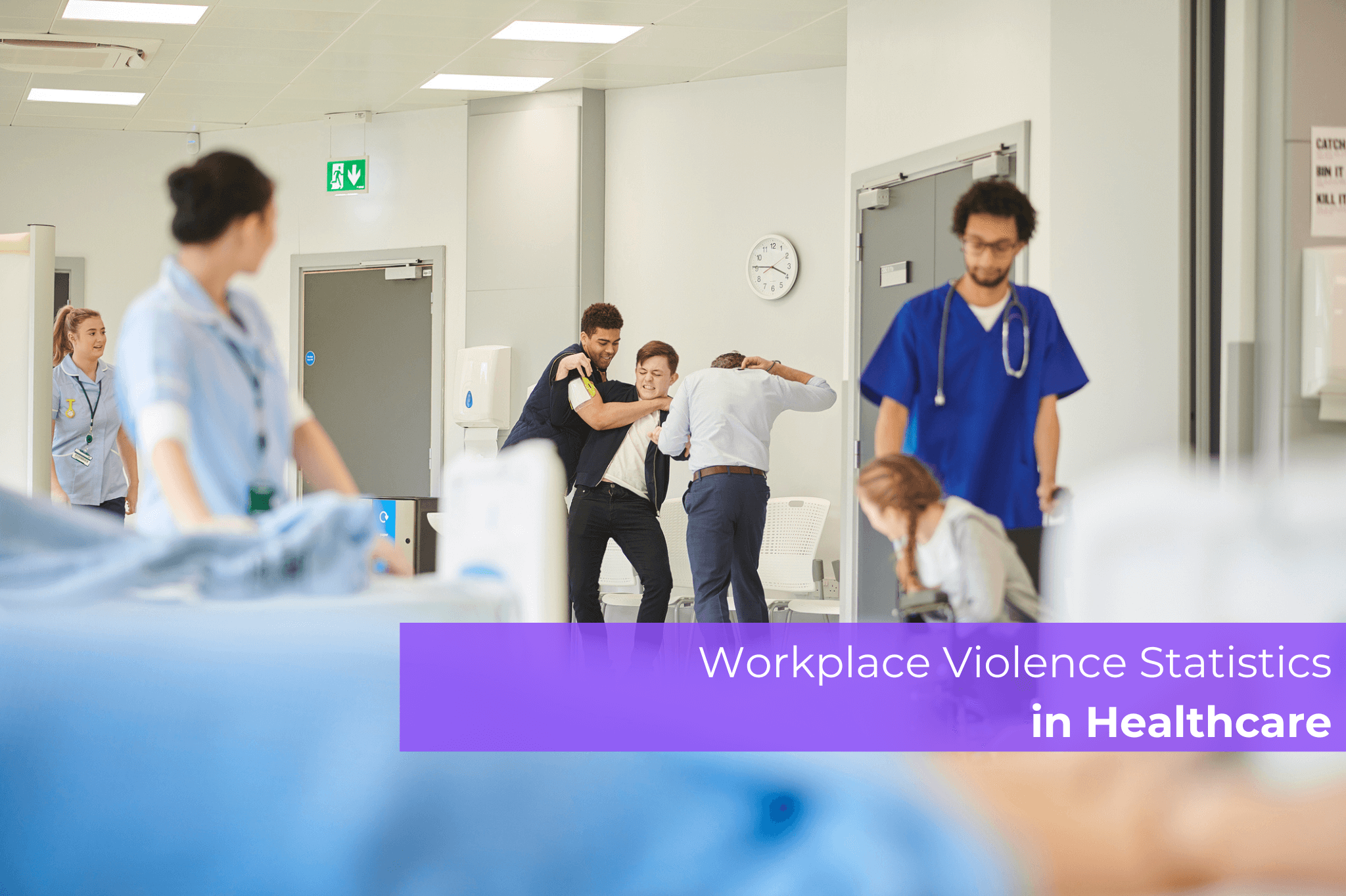
An Analysis of Workplace Violence Statistics in Healthcare

In February 2021, landmark legislation was introduced to the Senate directing the Secretary of Labor to issue occupational safety and health standards across the healthcare and social service industries. Its purpose: to address the shocking levels of violent and antisocial behaviors that leave healthcare workers five times more likely to be injured than workers in any other industry, and to ensure that comprehensive workplace violence prevention plans are standardized across healthcare and social services. 

While data suggests that up to 38% of healthcare workers suffer physical violence at some point in their careers, a recent study published by the The Joint Commission Journal on Quality and Patient Safety highlights how proxy measures used to represent workplace violence (WPV) lead to underestimation and underreporting. Put simply, post-event restraint, incident, and injury reports fail to accurately record the true number of violent, aggressive, and antisocial incidents within the industry, and by shifting reporting to event counters, staff in the study were exposed to 1.17 events per 40 hours worked.

As a company deeply committed to improving the lives of workers most at risk, we have long recognized the need for more and better data that represent the true levels of WPV within the healthcare industry. We believe no one should be afraid while trying to earn a living, and understanding the broader picture of WPV while ensuring that proper incident reporting systems are in place are crucial to create safer workplaces for all stakeholders.

With these thoughts in mind, this article aims to gather some of the existing data from a variety of sources to paint a comprehensive view of WPV within healthcare settings. Read on to learn more and explore our suggestions on how to develop strategies designed to reduce incidents. 

1. Overview of Aggressive Incidents

There is little argument that violent and aggressive incidents have risen significantly since the COVID-19 pandemic; however, WPV was undoubtedly an issue before, and data is taken from as far back as 2011. Here are some of the most striking stats that help build an overview of the true levels of aggressive incidents within the healthcare industry.

2. Quantifying Aggression: A Statistical Overview 

Violent, aggressive and antisocial workplace incident statistics must also quantify the types of aggressions and to whom they were directed. These data highlight how verbal aggressions underpin all types of WPV, and how they can escalate into more serious incidents. 

3. Understanding the Triggers of Aggression

 Understanding the factors that trigger aggressive behaviors in patients is key to identifying when, where, and how WPV incidents play out. These data aim to shine a light on some of those triggers.

4. Real-Life Examples

By some estimates, 75% of healthcare workers do not feel safe at work, and healthcare facilities stand to lose an average of $37,000 to $58,400 per staff turnover. Combined, these statistics suggest that all stakeholders within healthcare facilities stand to benefit from safer workplaces—the staff subject to WPV, the facility’s ROI, and the patients that stand to lose better levels of care when staff are intimidated or threatened.  

One such facility that stands at the forefront of innovation in the provision of treatment services for individuals with substance use and mental health challenges, is The Behavioral Wellness Center at Girard  in Philadelphia. ROAR was privileged to introduce a 3-month pilot at the facility that aimed to improve incident response and de-escalate incidents through the use of wireless panic buttons in tandem with existing CCTV and other WPV solutions.

During the pilot, these statistics were noted:

  • A 39% reduction in incidents between patients and staff and a significant upswing in staff peace of mind.
  • Worker compensation claims decreased by 24% when compared to the facility’s historic claims rate.
  • A 50% reduction in the overall MOD score.
  • Staff satisfaction increased from 57% to 73% once rollout was complete.

5. Management Strategies in Response to Aggression

  1. Verbal De-escalation Techniques — 75.2% of events within the Joint Commission’s report were de-escalated using verbal techniques, and it remains one of the most powerful tools within healthcare professionals’ arsenal. Active listening, empathy, and the use of non-confrontational language are key, as well as clear, calm, and reassuring communication. The Crisis Prevention Institute has excellent resources on these topics. 
  2. Physical Environment Modifications — The environment in which healthcare professionals work and patients receive care can have notable effects on behaviors, with overcrowded areas a particular flashpoint. This means that the physical environment should be designed with clear sightlines and unobstructed pathways, as well as including safe areas for staff retreat during emergencies. Additionally, access controls, security cameras and panic button systems can all help improve existing environments that may not have these options.
  3. Staff Training and Education — Ensuring staff are well educated on how to recognize warning signs of escalating aggression is key to addressing WPV and ensuring incidents are dealt with in the least damaging ways possible. Education on verbal intervention and conflict resolution are critically important, as well as simulation exercises to practice responding to violent incidents, and cross-training staff from different departments to support each other during emergencies.
  4. Documentation and Reporting — As part of a WPV prevention plan, and by harnessing all available data documenting incidents that includes near-misses and close calls, reporting incidents correctly and in a timely fashion is another important management strategy.  Data analysis should aim to identify trends and patterns for targeted interventions, such as during medication administration or when patients are waiting for care. Additionally, qualitative reporting on the nature of incidents can allow organizations to provide better aftercare and support for employees subject to WPV.
  5. Policy Development and Enforcement — Establishing clear policies and procedures for managing aggression and regularly reviewing and updating policies in response to changing circumstances are both core elements of a comprehensive WPV plan. Additionally, it is important to enforce consequences for violations of workplace violence policies.
  6. Technological Solutions — Panic buttons for summoning immediate assistance are increasingly becoming required by law for lone and vulnerable workers across the US. In addition, they can help provide quantitative and qualitative data on WPV, sometimes in tandem with video surveillance systems for monitoring and deterring violence, access control systems to restrict entry to high-risk areas, and integrated communication systems for coordinated responses.

6. Legal Considerations and Implications

Today, the Occupational Safety and Health Act of 1970 remains the core piece of legislation in the fight against workplace violence, and its approach to WPV is insufficient and out-dated. However, efforts are underway to bring in federal legislation designed to tackle workplace violence specifically within healthcare and social services, providing a much needed refresh on strategies to address WPV head-on. 

Both the SAVE Act (Safety from Violence for Healthcare Employees), and the Workplace Violence Prevention for Health Care and Social Service Workers Act are currently being considered within the Senate. Additionally, OSHA provides comprehensive information on workplace violence within healthcare settings, encouraging the development of solid workplace violence prevention programs.

At the state level, California has introduced the broad-reaching Workplace Violence Prevention Act that stretches across all industries and sectors. This will come into force on July 1st 2024, and requires all employers to establish, implement, and maintain an effective written Workplace Violence Prevention Plan. Additionally, various state laws have been enacted within the hotel and hospitality industry that require establishments to introduce panic button systems or personal safety devices, alongside other WPV measures intended to address rising levels of aggression.

 (Follow other healthcare compliance laws here)

7. Conclusion

Data on the prevalence and impact of WPV in the post-pandemic world continues to grow, with this latest study revealing higher levels of incidents than previously accounted for, with event-counter reporting providing a new perspective on violent and aggressive incidents.  For now, the healthcare industry waits on legislation designed to tackle these issues, meaning that non-comprehensive measures and inconsistent WPV plans will remain a significant hurdle to improving safety. Ultimately, legislation must standardize the approach to tackling WPV issues and ensure that healthcare facilities are doing all they can to reduce, minimize, and control all violent and aggressive behaviors for the sake of all stakeholders.

For more information on how ROAR’s staff duress solutions can help your facility protect their staff, contact us today or request a demo.

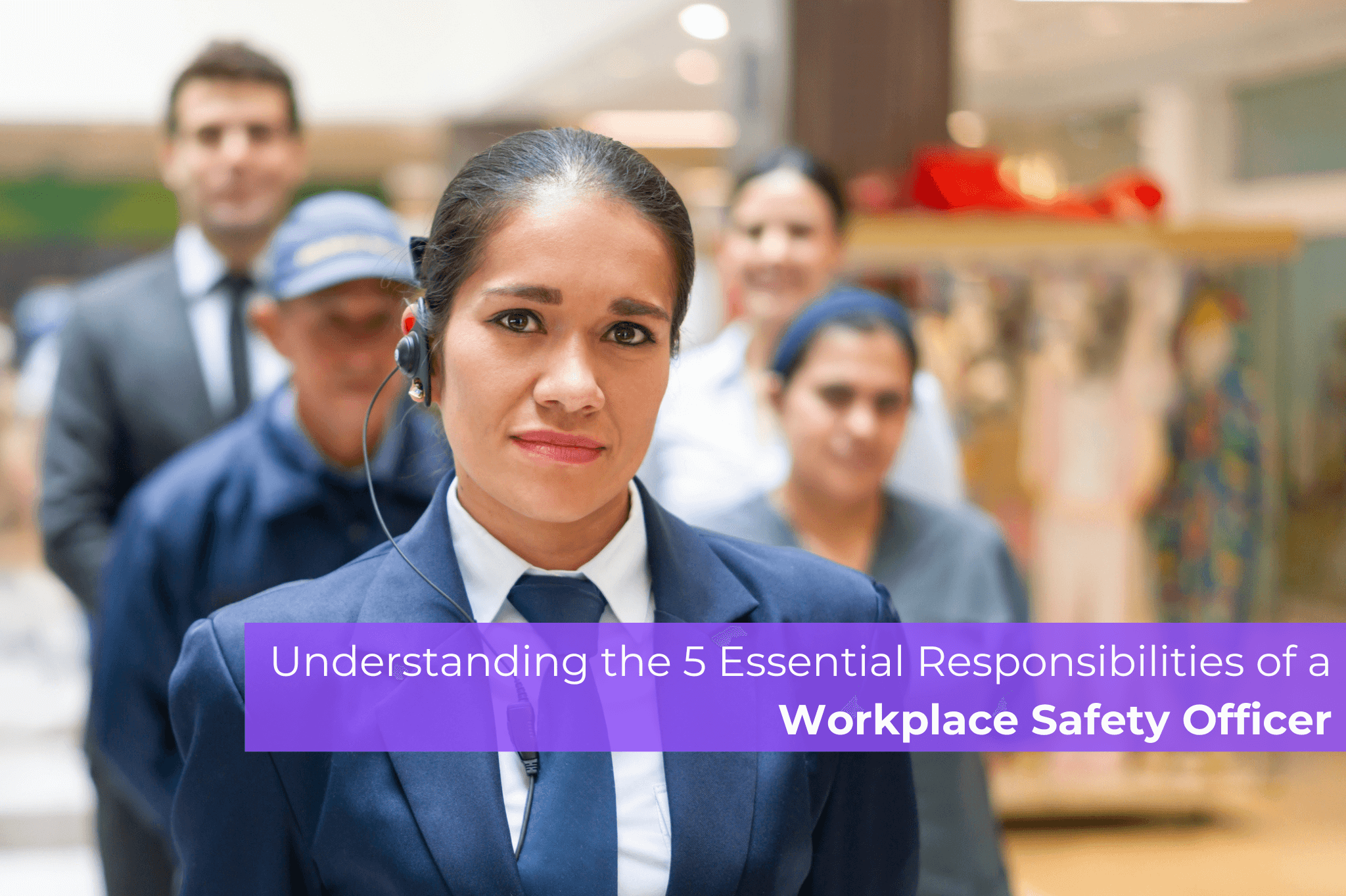
Understanding the 5 Essential Responsibilities of a Workplace Safety Officer

According to the U.S. Bureau of Labor Statistics, in 2022 alone, there were 2,804,200 non-fatal workplace injuries and illnesses, with 5,486 fatal injuries recorded over the same period. While workplace injuries and illness remain an issue within every industry, these numbers are made all the more concerning when taking the rise of workplace violence (WPV) into account. According to OSHA, there are more than 2 million reports each year, with frontline workers within the hospitality and healthcare sectors at particular risk.

Taken together, these figures paint a worrying picture of the state of the workplace in the US, with literally millions suffering illness or injury at work or otherwise feeling unsafe within their workplace. The good news is that, by introducing safety officers within your organization, you can take steps to improve workplace safety and security through comprehensive risk assessments, policy development, education and training, and compliance monitoring.   

Having worked closely with safety officers across numerous industries when integrating our panic button solutions, we have some insight into this important organizational role. Here then, we explore the core responsibilities of a safety officer and why it is important that your business considers hiring one. Read on to learn more.

Who is a Safety Officer?

A safety officer is a safety professional responsible for overseeing and enforcing safety protocols and regulations within the workplace, usually with expertise in occupational health and safety standards, risk assessment, and emergency response procedures. They work closely with management and employees to identify potential hazards, develop safety policies, conduct training sessions, and ensure compliance with industry regulations and legislation. Ultimately, a safety officer’s job is to introduce safety measures that help build a safe and healthy work environment where employees can perform their duties without risking their well-being or health.


Roles of a Workplace Safety Officer

The role of a safety officer is broad, covering a range of safety management responsibilities including implementing and maintaining safety standards, conducting risk assessments, developing safety policies, conducting training sessions, and monitoring compliance with regulatory standards. Below, we look at the responsibilities of a safety officer in more detail.

Risk Assessment       

A risk assessment is a fundamental element of any occupational health and safety program, and it should be the first thing any safety officer aims to conduct. Of course, the elements of a risk assessment will be dependent on your specific industry and sector;, however, it is likely to include regular safety inspections alongside these elements:

  •   Identifying sources of chemical, biological, and physical hazards.
  •   Assessing ergonomic factors that may contribute to musculoskeletal disorders.
  •   Evaluating potential fire hazards and emergency evacuation procedures.
  •   Examining electrical systems for compliance with safety standards.
  •   Identifying potential zones or flashpoints where workplace violence may occur.

Policy and Protocol Development

Safety procedures, policies, and protocols are another essential responsibility of a safety officer, and collaboration with management and other relevant stakeholders is key when building a safe working environment. This may involve:,

  • Establishing clear guidelines for personal protective equipment (PPE) usage.
  • Defining procedures for reporting hazards, incidents, and near misses.
  • Outlining protocols for responding to emergencies such as fires, chemical spills, medical emergencies, and WPV.
  • Encouraging feedback from employees to ensure policies are practical and effective.

Safety Training and Education

As part of an expansive health and safety program, a safety officer should offer regular training programs and provide materials that help educate staff on risks, policies, and compliance standards. This may include elements such as:

  • Proper handling and storage of hazardous materials.
  • Safe operation of machinery and equipment.
  • Techniques for preventing slips, trips, and falls.
  • Training employees on first aid and emergency response procedures.
  • WPV prevention, response, and management.

Compliance Monitoring

 Ensuring compliance with safety regulations and standards is a core responsibility of any safety officer. They conduct regular inspections and audits to assess the workplace for adherence to safety protocols and regulatory requirements. This involves:

  • Reviewing documentation to verify that safety policies and procedures are being followed.
  • Inspecting work areas for potential hazards and non-compliance with safety regulations.
  • Investigating incidents and near misses to identify root causes and prevent recurrence.
  • Collaborating with regulatory agencies to address any compliance issues or concerns.

Continuous Improvement

Building safer workplaces requires continuous evaluation and improvement, and safety officers play a critical role in fostering this type of culture. This means:

  • Analyzing incident reports and near misses to identify trends and areas for improvement.
  • Soliciting feedback from employees to identify potential safety concerns or suggestions for improvement.
  • Implementing corrective actions and preventive measures to address identified issues.
  • Keeping abreast of new developments in safety technology, regulations, and best practices.


Why Your Business Should Consider Hiring a Safety Officer    

Regardless of the industry your business operates in, a safety officer can be an invaluable addition to your staff. In manufacturing and construction industries they can help you identify and mitigate industrial safety issues related to heavy machinery, hazardous materials, and high-risk work environments. In healthcare and hospitality sectors, they can help create a safe environment for patients, staff, and visitors, reducing the potential for workplace violence or aggressive behaviors. Even in retail settings, safety officers can help minimize risks related to slips, trips, and falls, as well as provide education on safety topics relevant to the sector.

All in all, a safety officer can help your organization foster an improved safety culture, which in turn can lead to better returns on your safety expenditure. For more information on improving workplace safety and security procedures and maximizing your ROI, contact ROAR today to discuss your specific requirements or book a demo of our panic button system.

How ROAR’s Wireless Panic Button Partnership with RapidSOS Safeguards Employees with Best-in-Class Technology

Connecting Life-Saving Data to 911 with a Push of a Button

Over the past several years workplace violence incidents have increased at an alarming rate. In a wide-ranging study conducted by the Bureau of Justice Statistics (BJS), the Bureau of Labor Statistics (BLS), and the National Institute for Occupational Safety and Health (NIOSH) between 1992 and 2019, there was a staggering 25% increase in nonfatal incidents of workplace violence, accounting for 9.2 violent crimes per 1000 workers. 

With the increase in these daily threats to workers comes the need for safety solutions to protect employees, ones that call for help quickly, accurately and provide people with access to life-saving help. Since 2013 ROAR has been providing these life-saving solutions to people across a variety of industries including healthcare and hospitality with a dual-patented panic button technology that creates a field of safety in and around facilities, ensuring help is called exactly when and where it is needed. Continuously innovating to address the rising threat to employees, ROAR looked to RapidSOS, a world-class 911 intelligent safety platform for further enhancement functionality to the ROAR panic button solution. 

Every day, RapidSOS connects life-saving data from 540+ million devices across industries to over 1 million first responders. RapidSOS software is used by 99% of 911 centers across the country supporting over 171M emergencies in 2023. Built alongside public safety, RapidSOS has over 500 years of combined public safety experience. Given this best-in-class solution, RapidSOS was the ideal partner to collaborate with in development of the ROAR 911 panic button solution. 

“We implemented 911 functionality based on feedback from our customers who wanted to ensure their workers were able to receive emergency response help. The ROAR panic button provides workers with the ability to call 911 quickly, efficiently and with 100% reliability. Whether it’s for a medical emergency, a workplace violence incident, or a robbery, the ROAR 911 panic button provides a lifeline for staff adding a layer of security to your facility,” said ROAR co-founder and CEO Yasmine Mustafa. “Our mission is to empower people through technology to create safer organizations, and this new launch enables us to do just that, quickly and easily.” 

 According to RapidSOS Chief Revenue Officer, Indranil Chatterjee, “RapidSOS and ROAR are united in our commitment to empowering safer, stronger communities with intelligent, data-driven emergency response worldwide. Together with our RapidSOS Ready Emergency Community, we’re providing people with an added layer of safety and security, and we’re supporting our heroic first responders across 171 million emergencies annually.” 

How it Works 

ROAR’s 911 Panic Buttons call for help with a simple press and hold the button, providing the employee’s exact location, site phone number and entry instructions to RapidSOS’s call center. Beyond location information, RapidSOS also supports sharing emergency intelligence data to increase the amount of data first responders can obtain during a call. This empowers faster and more effective emergency responses and provides first responders with the critical information they need to protect lives. 

Providing an added layer of protection for at-risk workers across a variety of industries including healthcare and hospitality, ROAR + RapidSOS give employees peace of mind knowing that their calls for help are escalated to emergency services quickly without reaching for a phone.  

  • Healthcare—Healthcare providers can utilize ROAR’s panic buttons in a variety of locations as they provide care to their patients. They can be invaluable for doctors’ offices, labs, rehabilitation centers, women’s reproductive clinics, health centers providing gender affirming care, and numerous other settings. 
  • Behavioral health—Therapists, counselors, and psychologists often find themselves in one-on-one working environments with their patients. It is estimated 1 in 4 mental health workers have called the police for protection from a client. Additionally, psychiatric wards, mental health facilities, and addiction treatment centers can benefit to protect front line workers who may be at risk of dangerous outbursts or physical attacks. 
  • Hotels— This can apply to front-desk staff, room attendants, housekeepers, maintenance personnel, and valets who are often alone or isolated. 

A wide variety of workplaces now benefit from ROAR’s 911 panic button solution, including a retail chain in New York City with a large volume of foot traffic, multiple hotels serving Anaheim, CA’s biggest tourist attractions like Disneyland and the Convention Center as well as recovery centers, mental health providers, and medical facilities throughout the U.S. 

ROAR Panic Button Solutions offer unwavering protection for employees, guests, and visitors. Your safety is our mission.  To learn more: [Get a Demo] 

Calculating the Costs of Lost Time Incidents and How to Prevent Them

According to EHS Today and the US Bureau of Labor Statistics, non-fatal workplace injuries and illnesses rose 7.5% in 2022, from 2.3 million in 2021 to 2.8 million. However, with fewer than half of employees not reporting potentially recordable injuries, health and safety professionals believe that much more can be done to reduce actual occupational injury rates across the US.

There are several recommended measures to achieve this, including encouraging workers to report all types of workplace injury or illness; however, underpinning them all is the need for accurate and reliable data that tracks recordable incident rates. This kind of safety metric, among others, delivers valuable insights into safety performance, giving organizations tangible benchmarks on which to base the efficacy of EHS programs.

In fact, our clients are already using these metrics to monitor how their programs work to improve safety within the workplace, and one specific data point they report as particularly valuable is lost time incidents (LTIs). So, through our experience of using data to provide businesses with purpose-driven technologies designed to protect vulnerable employees, this article will explore why it’s important to track LTIs, how they impact your bottom line, and how to prevent or reduce them.

What is a Lost Time Incident or Injury?

 A lost time incident (LTI) is an event that occurs during working hours that leads to employee injury or when an employee is involved in an accident that hampers their ability to perform their regular job duties. Ultimately, these recordable work-related injuries and incidents lead to absenteeism and lost working hours, as well as disrupting workflows, decreasing productivity, and impacting other workers within an organization.

Why it’s Important to Track LTI Data

In the US, the Occupational Safety and Health Administration (OSHA) requires organizations with more than 10 employees to keep a record of serious work-related injuries and illnesses, and incidents recorded must be submitted annually through the Injury Tracking Application (ITA). While this requirement is a mandatory element of maintaining a legal workplace, it can also enable your organization to track LTI data and put measures in place that reduce injury and absenteeism and increase efficiency and productivity.

 In fact, since LTI data is a key indicator of the efficacy of your health and safety programs, we have found that it is crucial in identifying trends or patterns that allow you to put preventative measures in place. Alongside other metrics such as lost time injury frequency rate (LTIFR) and injury severity rate (ISR), LTI data gives your organization the tools information it needs to improve safety for all employees.

Understanding the Costs of Lost Time Incidents and Injuries

The bottom line is that each lost time accident your organization records has a financial impact on your organization, so reducing the rate of incidences can help boost growth and drive profitability. Direct costs include medical expenses, the replacement or upgrading of safety equipment, and investigation costs, as well as potential compensation and legal fees if the employer is found to be at fault.

In addition, an organization with a high number of LTIs may also incur other indirect costs that include low employee morale leading to high turnover, lost productivity, the temporary or permanent replacement of workers, increased insurance premiums, and reputation damage. Taken together, both the direct and indirect costs can very quickly become unmanageable, particular for smaller organizations that do not have the capital to deal with multiple claims at the same time. 

Methods for Calculating Costs

Understanding the costs involved with LTIs is the first step to reducing incidence rates, and ROAR’s expertise in helping you realize an ROI on panic button systems means we can help you calculate expenditure per employee. However, it is important to remember that this metric should not be taken alone and should be calculated alongside other metrics such as TCOR (total cost of risk) when evaluating elements of your safety program.

In most cases, the lost time incident rate (LTIR) calculation is based on a total of 200,000 hours which represents 100 employees working 40 hrs per week over a 50-week period of time. However, in high incident industries or those considered hazardous, the base total may be reduced to 100,000 hours over the same given period. This high figure is used to ensure realistic calculations across most industries; however, it is also worth noting that the LTIR is known as a “lagging indicator” since it measures the number of lost time injuries that have already happened.

Below, we highlight the calculations your organization needs to begin benchmarking your health and safety performance, providing a standardized way of comparing incident rates to the costs incurred. To break things down a little, we have also included an example of how to start.

·  LTIR = (Total LTIs / Total number of hours) × 200,000

·  TCOR = Direct Costs + Indirect Costs

So, let’s say your calendar year ends with 3 lost time injuries and you estimate 180,000 hours worked. The calculation is as follows:

  • 3 / 180,000 x 200,000 = 3.33 LTIs per 100 workers

Next, you can calculate the costs incurred. Let’s say that the total direct costs associated with those incidents were $20,000 and indirect costs were $5,000:

  • $20,000 + $5,000 = $25,000

So, to get the costs per worker, you can use this calculation: 

  • Costs per Worker = TCOR/LTIR

Or

  • $25,000 / 3.33​ = $7,508 per worker

Strategies to Prevent Lost Time Incidents 

Once you are able to measure LTIR and TCOR metrics, your organization can begin to build safety management strategies that reduce absenteeism, injury, lost productivity, and costs, helping your employees to feel safer and your organization to build happy and inclusive workplaces. Below, we look at a few strategies to prevent LTIs in your workplace.

  1. Risk Assessment and Hazard Identification

Conducting a thorough risk assessment, creating a workplace violence prevention plan, and identifying potential hazards is the first step in preventing LTIs. This involves evaluating the work environment, the equipment used, and employee activities to pinpoint potential risks. 

  1. Implementing Robust Safety Training Programs

Educating employees on workplace safety and security procedures, emergency protocols, proper equipment and PPE usage, and providing first aid training are crucial for preventing LTIs. In addition, regular training sessions can reinforce safety practices and raise awareness of potential hazards.

  1. Continuous Monitoring and Improvement

Establishing a culture of continuous improvement involves regularly monitoring and assessing safety performance. This can be achieved through incident reporting systems, regular safety audits, and feedback mechanisms. Identifying and addressing root causes of incidents ensures that preventive measures are continually refined.

Finally, feedback from our clients has shown us how effective panic button systems can be in reducing incidence rates in industries with the most vulnerable workers, while also improving safety culture across the board to decrease turnover and improving job satisfaction among many other metrics. For more information on how real-world solutions to LTIs can help your organization, explore our case studies here or contact a member of our team to discuss your specific requirements and request a demo.

How to Realize an ROI on Safety

With the growing realization that health and safety management is no longer an afterthought, and that robust programs and technologies should be introduced to prevent incidents rather than simply address past issues, business owners’ thoughts often want to know how implementing these initiatives may impact their bottom line and profitability.

The fact of the matter is that business owners can expect to see significant  cost savings from the introduction of proper workplace safety measures. In fact, the ROI of safety may be more beneficial than you might think. Through risk mitigation, improved operational efficiency and a strong reputation for the wellbeing of workers, our clients consistently see a broad range of benefits that enhance both daily operations and, ultimately, their bottom line.

In this article, we look at how you can realize an ROI on safety, the kinds of metrics you must understand, and some of the challenges behind introducing an effective health and safety program. Read on to learn more.

Important Metrics and KPIs

Understanding the costs of poor workplace safety is an important place to begin when calculating the benefits of any type of safety program or technology. To do this, you should consider these metrics, recording them over time.  

  • Incident Rates — Incidents are any safety or health event with unwanted consequences, which includes the number of actual workplace accidents. Total incidents that happen within your business or organization is a crucial metric to understand. This should be measured over a period of time such as total work hours per employee over a month, for example.
  • LTI Rates — Lost Time Injury Frequency Rates (LTIFR) are the illnesses or injuries that lead to lost working days. Again, these should be calculated per employee over a predefined period as total working hours lost.
  • Near Miss Reporting — Designed to highlight the effectiveness of your business’ safety culture and its reporting mechanisms, near-miss reporting should be encouraged for all workplace accidents and other incidents.
  • TRIR Rates — The Total Recordable Incident Rate (TRIR) measures all incidents, workplace injuries, fatalities, and near misses reported, providing a comprehensive view of your health and safety programs.
  • Severity Rates — Depending on your industry or types of worksite, the severity rate of occupational injuries may be an important metric to measure. In essence, this looks at the impact of injuries and the amount of lost working days.

How to Calculate Overall Safety ROI

The most basic way to calculate your overall safety ROI is with the following formula:

ROI = (Benefits—Costs/Costs) x 100

So, for example, let’s say that your company invests a total cost of $50,000 in implementing a comprehensive safety program. Over the next year, the benefits of the program include reduced direct costs of $60,000 in comp claims and medical expenses, and $25,000 in reduced indirect costs thanks to lower insurance premiums and improved productivity.

This equates to:

  1. ROI = ($60,000 + $25,000 — $50,000) / ($50,000) x 100
  2. ROI = ($35,000/$50,000) x 100
  3. ROI = 0.7 x 100
  4. ROI = 70%

There are a number of other consequential and intangible benefits that are part of your ROI. They are more difficult to quantify, but should be taken into account when measuring the impact of any safety program.

The Cost of Injuries and a Bad Safety Record

There are many costs associated with injuries and poor safety records, and we have touched upon a few within the relevant KPIs—both direct and indirect. However, other costs you may have to consider include:

  • Medical expenses and higher medical insurance costs.
  • Workers comp claims and higher insurance costs.
  • Legal fees associated with negligence.
  • Loss of productivity and lower employee morale.
  • High employee turnover.
  • Training and employee replacement costs including temp replacements.  
  • Regulatory fines and increased compliance costs of workplace injuries.

Challenges in Implementing Safety Programs


While envisioning a healthy ROI on your safety programs, challenges remain in its effective implementation and maintenance. These may include:

  • Resistance to Change — Both employees and management may see health and safety programs in a negative light to begin with, resisting new safety practices or responsibilities. To overcome these issues your company should clearly communicate the reasons for any changes, involve employees in the decision-making process, and practice positive reinforcement by recognizing and rewarding teams and individuals.
  • Cost-Benefit Concerns — The issue remains that many companies, particularly smaller businesses and startups, are skeptical of how benefits will outweigh costs. A thorough financial analysis using the ROI metrics we have covered can help, as well as phased implementation and benchmarking to show how benefits are stacking up.
  • Inadequate Safety Training — Training, for both employees and managers, on new safety protocols and technologies such as wireless panic buttons is critical, as poor education undermines the effectiveness of your new programs. Continuous learning and hands-on examples covering all aspects of safety, including hazard recognition and emergency response are vital. In addition, regular safety audits, including known safety issues, should feedback into your training sessions.
  • Protocol Complexity — At the end of the day, your health and safety programs should be simple enough for all stakeholders to comprehend in an emergency. Overly complex technologies or protocols can be damaging, so your company should look to simplify procedures, involve employees, and practice continuous improvement to your safety plans.

Conclusion

The return of safety planning as a core element of business operations can no longer be an afterthought for owners, managers, and employees. In fact, with employee wellbeing at the forefront of your business planning, you can build healthier, happier, and more productive workplaces that operate more efficiently and deliver a return on investment that cannot be ignored.

For more information about the hidden costs of workplace violence on business, here’s additional data.  To learn how ROAR can help you integrate the latest wireless panic button technology into your health and safety programs, contact us today and explore our resource section.  

Promoting a Culture of Safety in Healthcare

The healthcare industry has faced numerous issues over the past decade, from dwindling resources and staffing shortages through the myriad challenges during the COVID-19 pandemic to increased rates of violence and antisocial behaviors in hospitals, clinics, and other healthcare environments. These issues have compounded to create working environments that are seen as unsafe by both existing and prospective employees, leading to high levels of burnout and staff turnover, as well as lower productivity and, ultimately, compromised patient care.

Healthcare facility safety must be a priority for all stakeholders, as well as promoting a culture of safety across all working environments that prioritizes the well-being of patients and healthcare professionals to create safe and inclusive spaces. It also means that this approach is fundamental to improving healthcare outcomes for patients by allowing staff to focus on what really matters—delivering improved care to those who need it most.

In its simplest terms, promoting a culture of safety involves identifying, reporting, and preventing mistakes, hazards, and incidents—including violent or antisocial behavior and sexual assault. It should be built on open communication, collaboration, continuous learning, and a commitment to improving the overall safety of healthcare delivery. However, introducing and promoting this type of culture within a healthcare environment means taking a collaborative approach and listening to frontline workers to understand the unique challenges faced in a variety of settings.

In the article, ROAR outlines some key elements you must consider based on our experiences working with healthcare providers when integrating panic button systems as part of health and safety programs. In addition, we will look at the benefits, identify some of the unique challenges within healthcare environments, and detail ten steps to get you started. Read on to learn more.

Key Elements for Establishing a Culture of Safety

The US has made great strides in addressing health and safety issues over the past decade however, the onus falls directly on healthcare providers to continuously improve conditions, since while OSHA is tasked with inspecting sites, its own limitations mean that it cannot hope to keep up with demand. This suggests that any healthcare facility that wants to avoid the many issues surrounding “unsafe” spaces must begin implementing key elements into daily operations. These include:

  1. Open Communication Staff should be encouraged to communicate openly about safety concerns, near misses, and incidents without fear of reprisal. This includes effective communication between different levels of management, as well as with patients.
  2. Learning from Errors Rather than blaming individuals, a safety culture focuses on understanding the root causes of errors and near misses to prevent them from recurring. This involves conducting thorough analyses of incidents and implementing improvements based on the findings.
  3. Team Collaboration Healthcare is always a team-based endeavor, and a safety culture promotes collaboration among team members. Effective teamwork and communication are essential for preventing errors and providing optimal patient care.
  4. Patient Involvement Patient safety culture is vital, and patients should be seen as active partners in their healthcare journey. They are encouraged to ask questions, share relevant information, and actively participate in decision-making processes. Informed and engaged patients contribute to safer care.
  5. Continuous Improvement Organizations with a culture of safety embrace a mindset of constant improvement. This involves regularly evaluating processes, seeking feedback from staff and patients, and making data-driven improvements to enhance safety protocols.

Benefits and Impact of a Strong Safety Culture

The benefits of a positive safety culture cannot be understated. In fact, in a 2012 study from Statista, up to 47% of employees reported that feeling safe at work was highly important, with another 43% recognizing it as essential. However, aside from ensuring staff feel safe enough to do their jobs effectively, there are numerous other benefits tied to safety culture within healthcare settings. These include:

Patient Safety

The primary goal of healthcare is to provide safe and effective care to patients, meaning that a culture of safety reduces the risk of medical errors, negligence, and other types of harm.

Improved Outcomes

A safer healthcare environment leads to improved patient outcomes, and by identifying and addressing potential hazards and errors, healthcare professionals and caregivers can enhance the quality of care provided to patients.


Staff Well-Being

Healthcare professionals operate in stressful environments, so prioritizing safety can reduce stress, burnout, and turnover rates among staff, fostering a healthier and more sustainable work environment.

Trust and Transparency

A culture of safety builds trust among healthcare professionals, patients, and leadership, with open communication and transparency regarding safety issues helping to create an atmosphere where everyone feels comfortable reporting incidents and contributing to improvement efforts.


Cost Savings

Preventing errors through a culture of safety can lead to cost savings for healthcare organizations, meaning that by avoiding the financial and human costs associated with medical errors, healthcare environments will benefit ethically and financially.


Regulatory Compliance

Many healthcare accrediting bodies and regulatory agencies emphasize the importance of a culture of safety, so compliance with safety standards is crucial for maintaining accreditation and meeting regulatory requirements.

Enhanced Reputation

Healthcare organizations that prioritize safety tend to have a positive reputation in the community, with patients being more likely to trust and choose institutions that demonstrate a commitment to safety and quality care.

Unique Challenges in Healthcare

Naturally, while many of these benefits are clearly a boon in any healthcare setting, their impact must be weighed against the unique challenges faced by specific healthcare providers and working environments. For example, in high-stress hospital wards or EMT situations where rapid decision-making is critical, striking a balance between swift responses and thorough safety measures may prove challenging. In addition, the multifaceted nature of healthcare structures involving numerous departments and disciplines complicates the implementation of standardized safety protocols, necessitating tailored initiatives for diverse healthcare settings and specialties.

On top of this, resource limitations present in many healthcare organizations can impede the implementation of comprehensive safety measures. Safety priorities and financial constraints can often prove anathema to one another, so creative solutions and advocacy for resource allocation must be a priority to foster a culture of safety in the healthcare setting.

Steps to Promote a Culture of Safety

Despite the unique challenges within healthcare environments, you and your organization can begin to promote a culture of safety by following these ten general steps, tailoring each to your specific needs and the environment you work in. Read on to learn more and start promoting a culture of safety today.

1. Leadership Commitment and Communication

Emphasize safety as a core organizational value, with leadership and management publicly committing to its prioritization. This means regular communication on the importance of safety, reinforcing its importance in the organization’s mission and goals.

2. Assess Current Safety Culture

Conduct a thorough assessment of the existing safety culture and hospital security procedures. Utilize surveys, focus groups, and interviews to gather insights from staff across various levels and departments. This diagnostic phase informs subsequent interventions.

3. Establish Clear Incident Reporting Systems

Implement accessible and confidential reporting systems for incidents, near misses, and safety concerns. Ensure that reporting is non-punitive, encouraging staff to share information without fear of reprisal. Regularly review reported incidents for trends and patterns.

4. Implement Learning Opportunities

Develop and implement regular training programs on safety protocols, error prevention, and effective communication. These programs should be tailored to the specific needs and challenges of the healthcare environment. Encourage continuous learning and skill development.

5. Foster Team Collaboration

Promote a collaborative culture among healthcare teams. Encourage interdisciplinary communication, regular team huddles, and shared decision-making. Establish forums for staff to discuss safety concerns openly and work together on solutions.

6. Patient Engagement Initiatives

Actively involve patients in safety initiatives. Provide education on safe patient rights, encourage them to ask questions, and seek feedback on their experiences with safety in the healthcare setting. Patients can serve as valuable partners in identifying potential safety issues.

7. Establish a Culture of Continuous Improvement

Develop mechanisms for ongoing evaluation and improvement regarding safe practices. Regularly review safety data, conduct root cause analysis for incidents, and implement changes to enhance safety protocols based on lessons learned. Create a culture that values continuous improvement and innovation.

8. Address Resistance to Change in Organizational Culture

Acknowledge and address resistance to change within the organization. Communicate the benefits of the safety culture, involve staff in decision-making processes, and provide support for adapting to new practices. Empower change champions within the organization to lead by example.

9. Tailor Strategies for Workforce Diversity

Recognize and embrace the diversity within the healthcare workforce. Tailor safety initiatives to accommodate different roles, specialties, and cultural backgrounds. Promote inclusivity in safety discussions and decision-making processes.

10. Advocate for Resource Allocation

Advocate for adequate resources to support safety initiatives. Demonstrate the return on investment in safety through improved outcomes, reduced errors, and enhanced staff well-being. Collaborate with stakeholders to prioritize safety in budgetary decisions.

Conclusion

Promoting a culture of safety in healthcare involves navigating unique challenges to your specific healthcare facilities and environment. However, by implementing those steps relevant to you and your workforce, you can build safer working spaces. In addition to the advice above, you can also contact the AHRQ (Agency for Healthcare Research and Quality) for more knowledge, tools, and data that can help improve safety culture across the entire healthcare system.

Finally, contact ROAR today to explore how panic buttons for healthcare workers can provide another layer of protection for staff, particularly lone workers, while they complete their duties. Additionally, explore the ROAR blog for more information on safety culture and healthcare-related topics.

Security Procedures for Convenience Store and Gas Station Workers

As frontline workers dealing with customers across diverse demographics in the heart of every community, convenience store (c-stores) and gas station employees are exposed to more than the average levels of violent crime and antisocial behavior. In 2022, for example,  convenience stores accounted for 10,751 robberies and gas stations 6,781. Combined, this made them the third highest risk locations after residences and streets.

Anecdotally, both convenience stores and gas stations are seen as easy targets for criminals. Lone workers on long shifts that may extend into the early hours prove to be particularly vulnerable. However, by implementing expansive security plans and building failsafe protocols, alongside communication technologies, owners and managers can reduce risk and improve safety regardless of the unique challenges presented by any specific gas or retail store.

With these issues in mind, this article will explore how owners and managers can improve security within c-stores and gas stations by introducing and developing comprehensive security plans and procedures. Read on to learn more and discover how panic button technologies can play a part in a safer and more secure working environment for everyone.

Identifying Common Security Risks in the Industry

Convenience stores and gas stations face a broad range of security risks that are part and parcel of daily operations. They range from relatively benign shoplifting and petty theft to serious gun crimes and sexual assaults. Below, we look at the most common security risks faced by employees within the industry.

  • Antisocial Behavior — Disruptive or aggressive behavior from customers, including harassment, intimidation, or vandalism. Additionally, disputes or conflicts among customers that may escalate into physical altercations.
  • Robberies and Thefts — Cash registers, merchandise and gas, and employees may all be targets of criminals. In turn, this poses a serious threat to the safety of workers tasked with preventing robberies and thefts.
  • Gun Violence — Armed individuals entering the premises is among the most serious security threats faced by gas stations and convenience stores. leading to potential harm or fatalities.
  • Sexual Assault — Incidents of unwanted sexual advances or assaults on employees or customers within the store or its vicinity.
  • Gasoline-Related Hazards — Potential dangers related to fuel handling, such as fire hazards, spills, or accidents at gas pumps.
  • Employee Safety Concerns — The risks associated with working alone, especially during late-night shifts, means that employees are always vulnerable to various threats.

Creating a Security Plan

To tackle the risks associated with gas station and convenience store operations, gas station and convenience store owners and managers should build and implement workplace safety and security procedures that address the above risks in detail. Generally speaking, they should include the following elements.

  1. Risk Assessment — Beginning with a risk assessment, owners and managers should identify and assess potential security risks specific to the location.
  1. Physical Security Measures Plan measures to enhance physical security on the premises. This should include elements such as improving the lighting in and around the premises, installing or upgrading security cameras, and implementing access control systems for restricted areas. Additionally, bullet-resistant glass should also be considered in areas vulnerable to gun-related crimes.
  1. Employee Training and Awareness — Any security plan should include regular training sessions for employees that include how to recognise and respond to security threats, detailed emergency procedures that cover evacuation and lockdown protocols, and conflict resolution.
  1. Emergency Communication Systems — Introduce reliable communication systems including wearable panic buttons for employees alongside easily accessible communication channels for emergency situations.
  1. Collaboration with Law EnforcementInclude contacts and build relationships with law enforcement to share information on security risks and incidents and create emergency response plans.
  1. Cash Handling Procedures — Detail secure cash-handling protocols within your plan with drop safes and limits held in cash registers. Regular cash pickups to minimize on-site funds should also be included.
  1. Regular Security Audits — Conduct periodic security audits to assess the effectiveness of existing measures, including areas for improvement and adjustments based on changing risks.

Training Employees

Among the most important elements of an effective security plan is the training of employees, ensuring that everyone understands your approach and knows how to react in case of an incident. Training plans should be comprehensive, and documentation should be given to employees for later reference. Training programs should include the following elements:

  • Education on previously defined security protocols.
  • Simulations of emergency response scenarios.
  • Methods of dealing with difficult or potentially dangerous customers.
  • Guidance on using technologies such as panic buttons and video surveillance.
  • Frequent updates on all of the above elements.

Give Special Attention to Lone Workers

Lone workers in any industry are often at increased risk, with the simple fact that they have no one to call out to for help in the event of an incident. For this reason, they should receive dedicated training and special attention that gives them the tools they need to feel safe and get help when they need it.

This should include risk awareness, emergency response, and effective communication protocols, alongside communication devices and panic buttons, check-in procedures, and psychological support in the event of an incident. Clear emergency protocols, collaboration tools, and regular reviews may also enhance the effectiveness of safety measures, ensuring lone workers feel supported, secure, and equipped to handle the unique challenges of working alone.

Control Access

Control access throughout the premises enables employees to maintain secure areas and decrease unauthorized access to sensitive areas. There are a variety of ways to do this, including electronic key cards or fobs, key codes and biometric systems. In addition, visitor management and access controls that are integrated with CCTV systems will provide another layer of security.

 Utilize Technology for Surveillance and Monitoring

Technology can provide a broad range of solutions to the security issues facing gas station and convenience store employees. As covered above, control access tech is one way to improve security, however by bolstering surveillance and monitoring systems, managers and owners can both improve security and create a deterrent to criminal and antisocial behaviors.

Introducing technology such as high-resolution CCTV cameras strategically placed in key areas will improve security, while other technologies such as motion sensors, smart lighting, license plate detection systems, and even face recognition and gunshot detection tech can play a role in improved security systems.

Increase Visibility and Lighting

Among the simplest and cheapest ways to improve security is to improve lighting systems and plan the layout of the premises to increase visibility and reduce blind spots. Bright, energy-efficient lighting acts as a deterrent to criminals, while significantly improving the overall safety of both employees and customers. In addition, optimizing layouts, including entrances, exits, and parking lots, enables employees to monitor activity, identify potential threats, and respond promptly to security issues.

Reduce Cash Handling by Employees

Cash handling, particularly when it is in public view, should be managed carefully, as large amounts of cash regularly pass through both c-stores and gas stations. However, by encouraging the use of digital payment methods and contactless transactions, you can reduce the amount of cash on the premises at any given time. This should complement clear cash management protocols and the use of drop safes to reduce the attractiveness of the store as a target for theft.

Emergency Alerts and Response

Effective emergency alert systems and response protocols that integrate wearable panic button technologies should be carefully integrated and implemented. Any panic button solution should include discrete, wearable panic buttons issued to each employee; dead-zone protection using Bluetooth and LTE back-up; and battery-powered beacons for integration in areas without electricity. Additionally, installing an under-desk panic button – ideally one that calls  911 – can be particularly beneficial to lone workers who may need the assistance of law enforcement on call.

Conclusion

Regardless of the specific challenges faced by individual c-stores and gas stations, the introduction of comprehensive security plans can go a long way to improving workplace safety. However, particularly when considering the prevalence of lone working within these settings, technology can also play a crucial role. CCTV and other surveillance systems are important additions to your plan, but in order to provide better support for lone workers, and even individuals who may otherwise be isolated from the rest of your workforce temporarily, the installation of wearable panic button solutions should be a priority.

For more information on how ROAR can protect your employees and provide advanced panic button systems for any c-store or gas station environment, contact us today.  We also offer a comprehensive checklist to help you evaluate a panic button solution that meets your needs and protects your team, available here. 

Explore Safety As A Business Asset

Recently ROAR CEO, Yasmine Mustafa, had the opportunity to talk with Tisha Greco, Safety & Risk Services Manager for Missouri Employers Mutual (MEM).   Tisha has a wealth of knowledge and experience in the workers’ compensation insurance and safety industry. In this discussion, we delve into her role at MEM, and why she believes that safety should be viewed as a credit, not a debit.  

YM: Tell us about MEM and the industries you serve.  

TG: MEM provides worker compensation coverage to over 15,000 businesses.  We serve organizations ranging from home healthcare to municipalities, restaurants, schools, roofers and everything in between. 

YM: We’ve heard you refer to safety as a credit, not a debit for organizations.  Can you share with us what you mean by that phrase?  

TG: Customers are sometimes reluctant to invest in safety solutions for their business, even though the initial costs are quickly offset by longer-term benefits.  The upfront cost of safety solutions is quickly offset by: 

    • workers’ compensation costs including reducing or avoiding claims 
    • labor costs related to job duties and workforce attrition 
    • improved morale, which impacts efficiencies   

One example of an investment in safety equipment is a construction company using a boom lift versus staff installing and dismantling scaffolding at each job site.  The equipment reduces labor significantly, and as a result, the company was able to bid construction jobs 40% lower than their competitors.   

Here’s another interesting example.  A company with fleet exposure installed dual-facing cameras to monitor driver behavior to reduce motor vehicle accident claims and discovered that employees reported false overtime numbers.  This resulted in $76,000 in labor savings over two years, far surpassing the cost of the safety equipment that brought this to light. 

With cost savings like these – you can’t afford NOT to invest in safety measures. 

YM: Is there data supporting this approach?  

TG: Yes, MEM has developed an ROI calculator that considers numerous factors and helps us to show policyholders the impact that implementing safety equipment can have on their business’s bottom line.   

YM: Can you share with us how you believe safety in employees builds confidence and how this translates to business success?  

TG: When employees feel their employer cares enough about them to invest in their safety, the overall morale in the culture of a business increases.  This can have a domino effect across the company, from improved job performance, effectiveness, efficiencies, and more.   

YM: Much like ROAR, we know MEM believes that all workers should be protected, regardless of the business size and financial status. Which is why your company started the MEM Safety Grant Program.  Tell us about this innovative program and who it’s geared towards.    

TG: Our program started in August of 2016 to combat the pushback from policyholders, “That would be great, but we don’t have the funds to be able to implement.”  The goals of the program are:  

    • To alleviate some of the financial burden associated with safety investments 
    • Help bring new, innovative solutions to light 
    • Get policyholders to discover and try new solutions to encourage to rethink a safer way to do the job.   
    • To eliminate claims related to safety,  period.  Safety equipment helps policyholders keep their employees safer, meaning fewer workers’ compensation claims. 

Our program does not take premium amount/policy size into account.  Applications are completely free of any identifying information.  The review committee reviews every application based solely on its merit.  We are proud to share that MEM has granted nearly three million dollars towards safety solutions to our policyholders over the last 7 years.  

YM: Applying for a grant can seem overwhelming to most people.  Do you have advice you can share to help ease the anxiety and the process?  

TG:  For MEM policyholders, it’s quite simple to get started.  Policyholders register for an account on our grant website and then fill out a short, simple form requesting a grant consultation.  Our safety and risk consultant teams reach out within three business days to discuss their needs and guide them in the best possible direction.  We offer application assistance to our policyholders every step of the way.” Applications received are reviewed the following month and policyholders are notified of their grant status by the end of that month.    

YM: Are there other resources to help small (and large) businesses seek ways to help make the financial decision to invest in a safety program?   

TG: While our grant program is only available to MEM policyholders, our online resources are available to anyone and everyone.  We have numerous toolbox talks, sample safety policies, one-page safety rules sheets, etc.  We also release two podcast episodes each month on various work comp topics that often focus on safety. 

YM: If someone has a different carrier, what do you recommend they ask their broker to help them find a similar program where they can get credit for implementing a safety solution?   

TG: Well, I would recommend they ask their broker to get them a quote from MEM in the states we serve! 

Tisha and the team at Missouri Employers Mutual – thank you so much for sharing these important and informative insights.  To learn more about MEM’s grant program, and apply, please visit their website https://www.mem-ins.com/programs/safety-grants/.  

Also, to learn how ROAR solutions can help your organization protect your employees and your business’s bottom line, book your demo here

Tisha Greco, Safety & Risk Services Manager, Missouri Employers Mutual

Workplace Health and Safety Tips for Massage Therapists | ROAR

Massage therapy is a vital service that delivers much-needed physical therapy to patients who may be in severe pain or who are suffering from stress. There’s the gentle touch of Swedish massage, the intensity of deep tissue massage, and the rehabilitative science of sports massage to name but a few. However, regardless of the types of massage your practice may offer, there are certain standards that massage therapists must maintain.

This includes a variety of obligations to clients, including but not limited to, providing a safe and comfortable space that is accessible to all. But while ensuring patient comfort and safety are critical parts of building a respected and trusted practice, the comfort and safety of massage therapists themselves can often be forgotten.

This can pose a significant issue for therapists, with close proximity to clients and the physical demands of the job potentially leading to work-related issues that can negatively affect health and wellbeing. However, with the right understanding, awareness, and training, you can build a practice that balances your clients’ needs with those of your staff to ensure that all stakeholders are looked after.

So, to help you and your practice improve the wellbeing of massage therapists, we will explore the types of workplace hazards they face, the issues around working alone, and how you can create a safe environment by addressing potential hazards. Read on to learn more.

Understanding Workplace Hazards

Since massage therapists work in close contact with other humans, they face a range of safety risks that are intrinsically linked to their working conditions. These can be broadly categorized as ergonomic, biological, chemical, and psychological, with each presenting its own set of challenges and potential impacts on the wellbeing of therapists. Below, we explore each in more detail.

·  Ergonomic Hazards

Massage therapists often face ergonomic hazards due to the repetitive nature of their work. Prolonged periods of standing, bending, or crouching, alongside improper body mechanics can lead to musculoskeletal issues such as back pain.

·  Biological Hazards

Close physical contact between massage therapists and clients introduces the potential for biological hazards to negatively affect both parties. This may include the risk of infections and exposure to bodily fluids, as well as allergies and other conditions.

·  Chemical Hazards

The use of lotions, oils, and various massage products is a standard practice in massage therapy, contributing to a soothing and enjoyable experience for clients. However, it also introduces chemical hazards into the workplace that demand careful consideration and management.

·  Psychological Hazards

Massage therapists may encounter psychological hazards related to client behavior or the emotional nature of the work. At the extreme end of the spectrum, they can include sexual harassment, victimization, and workplace violence.

Client Communication

The hazards listed above are part and parcel of the job, however, mitigating their potential impact and building a safer working environment should be a priority for any practice. This begins with clear and transparent client communication that sets boundaries and establishes expectations as part of your overall health and safety policy.

During the intake of new clients, gathering information about medical background, any existing health conditions, or potential contraindications, massage therapists can tailor their approach to address specific concerns or adapt techniques to accommodate individual needs. In addition, practitioners should take the opportunity to educate clients about the massage process, discussing what to expect during a session, potential sensations they might experience, and the benefits of various techniques.

Finally, to ensure mutual understanding and legal compliance, the intake procedure should include obtaining informed consent, alongside a risk assessment that includes a right of refusal for therapists. At this point, any inappropriate or suspicious behavior from clients can also be red flagged early on, with ongoing updates allowing for detailed documentation of any issues and clear communication of professional boundaries.

Taken together, these important early steps can help build safer and more inclusive practices that set expectations and improve safety, reducing the risks of biological, chemical, and psychological hazards.

Considerations for Working Alone

Another significant consideration we hear from massage therapists is the fact that, more often than not, they will work with clients on a one-to-one basis. Lone working exposes staff them to a range of risks including:

  1. Health & safety hazards.
  2. Limited access to first aid.
  3. Violence and aggression from clients or other employees.
  4. Emergency response challenges.
  5. Mental health concerns related to these risks.

To combat these issues, massage therapy practices should create specific safety plans and integrate technological solutions that work to mitigate the inherent risks of lone working. A check-in system between staff and managers should be your first priority, with a list of emergency contacts that is easily accessible provided to support it.

Addressing Other Workplace Hazards in Your Practice

The above factors should be the foundation of your health and safety plan, however, other industry specific challenges must also be included to ensure staff are supported on a day-to-day basis. Below, we look at some of the considerations you need to factor into a comprehensive and effective health and safety plan.

Self-Care and Stress Management

Stress can be a silent killer in any role and, according to the Occupational Safety and Health Administration (OSHA), more than 50% of US workers have reported experiencing workplace stress that impacts their lives at home. This issue can also be compounded by lone working, and your practice should look to include the following to mitigate stress-related issues:

  • Scheduled Breaks — Include breaks between sessions for therapists to rest and recharge.
  • Balanced Workload — Encourage therapists to avoid overcommitting to clients to maintain a balanced workload.
  • Continuing Education — Invest in ongoing education to ensure staff are informed about self-care techniques and stress management strategies.

Sanitation and Hygiene

Maintaining a clean and hygienic workspace is essential for the health and safety of both therapists and clients. Within massage practices, this means extra care needs to be taken to ensure comprehensive protection. Consider the following elements:

  • Use Personal Protective Equipment (PPE) — Ensure staff are provided with gloves, masks, and aprons to protect against potential pathogens. Encourage them to use them where possible.
  • Follow Disinfecting Protocols — Regular disinfection of surfaces, massage tables, and equipment should be factored into the working day to prevent the spread of infections.
  • Look at Personal Hygiene Habits — Prioritize personal hygiene, including proper handwashing and grooming practices.

Ergonomics and Body Mechanics

The nature of massage therapy means that staff may well be in unnatural body positions for large portions of the day. To mitigate injuries in this area you should:

  • Use Ergonomic Massage Tables — Ensure your practice invests in high-quality tables that allow for proper body alignment to reduce strain.
  • Factor in Regular Breaks — Short breaks to stretch and rest muscles during long sessions or shifts should be factored into the working day.
  • Encourage Good Posture — Be conscious of posture while working to prevent chronic pain and injuries.

Environment and Equipment Safety

In addition, workplace injuries can be reduced by ensuring your practice includes the following:

  • Adequate Lighting — Ensure lighting is sufficient to prevent trip hazards and create a comfortable atmosphere.
  • Scheduled Maintenance — Regularly inspect and maintain massage tables and equipment to prevent malfunctions.
  • Emergency Preparedness — Create and regularly update a well-defined plan for emergencies, including the location of first aid kits and emergency exits.
  • Safe Products — Look for hypoallergenic and natural products to minimize the risk of skin reactions.

Legal and Ethical Considerations

Finally, massage therapy practices should always weigh up the legal and ethical considerations of the wider industry. Consider the following elements as part of your health and safety plan:

  • Liability Insurance — Obtain liability insurance to protect against potential legal claims.
  • Compliance with Regulations — Stay informed about and comply with local, state, and federal regulations regarding massage therapy.
  • Informed Consent — Clearly communicate the risks and benefits of massage therapy to clients and obtain their informed consent.

How to Handle Unwanted Behavior When Customers Cross the Line

Massage therapists have the fundamental right to work in an environment free of sexual abuse and harassment. In instances where such violations occur, it is crucial for therapists to prioritize their safety, remove themselves from the situation, and take necessary steps to report the abuser.

A key aspect of maintaining a professional and safe environment is the ability to confront inappropriate behavior effectively. Therapists should immediately communicate their discomfort and request the offending client to leave. This may involve halting the massage, explaining the reason from a safe distance, and informing a supervisor or law enforcement if the situation warrants it.

An effective communication model for dealing with unclear or boundary-crossing client behavior involves several steps. Initially, therapists should stop the treatment while maintaining assertive body language and verbal communication. Ensuring the client is properly draped can establish a literal boundary and stop any potential cause of inappropriate arousal.

Another technique is to objectively describe the client’s behavior, allowing the therapist to acknowledge the issue without passing judgment. This is followed by directly asking the client to clarify their intent, ensuring that the therapist does not make assumptions or accept ambiguous responses.

Sometimes, clients might experience unexpected emotional or physiological reactions. In such cases, therapists can provide information to help the client understand these responses, emphasizing that the treatment’s intent is strictly therapeutic and non-sexual.

The decision to continue or discontinue the session depends on the client’s intent and behavior. In cases of sexual intent or inappropriate behavior, therapists should feel empowered to terminate the session immediately. Setting conditions for the session’s continuation may be necessary if the client’s intent remains unclear.

Finally, documenting the incident is a vital step for maintaining professional ethics. This documentation, along with seeking supervision or peer support, is essential in the event of any future complaints, demonstrating the therapist’s commitment to ethical practice and a safe working environment.

In addition to implementing the techniques above, implementing a wireless attention buttons solution can provide you and your practice a vital lifeline to help in extreme cases. Making customers aware of the system through signage or other means has been proven to deter those types of incidents from happening in the first place. They also provide a dual benefit in providing customers with a way to get attention if they feel uncomfortable, as well as expediting response time if they should fall off the table or have a medical emergency. This gives all parties involved peace of mind that help is never far away.

Conclusion

Massage therapy can be a rewarding career for anyone wishing to work within the healthcare industry, providing real relief for clients who may have suffered workplace injuries, who struggle with ongoing back pain, or who seek holistic approaches to managing stress and enhancing overall wellbeing. However, as with any role that requires lone working within close proximity to the general public, health and safety must be a core consideration that extends to the wellbeing of employees.

To do this, your practice should aim to understand and address the various hazards, maintain effective client communication, introduce panic buttons and emergency procedures for lone workers while also maintaining high levels of hygiene and equipment safety. Together, this approach will allow you to build an inclusive work environment that actively cares for all stakeholders.

For more information on panic button solutions within the healthcare industry, contact ROAR today.

6 Tips to Keep Employees and Customers Safe in Parking Lots

Many believe that parking lots are simply safe spaces to store their vehicles while at work or while visiting other destinations or attractions. However, the statistics for parking lots paint a very different and chilling picture of thefts, accidents, and assaults. According to a recent study, parking lots are the third-most-likely place for assaults and other violent crimes.

According to OSHA, companies are required to maintain a safe work environment for both employees and customers. However, many business owners don’t realize that this also includes the employee parking lot. 

Safety in parking lots is crucial for both customers and employees. In our years of experience working with brands such as Hilton, Marriott, and major healthcare systems, we have found that improving safety in vulnerable areas such as parking lots offers significant benefits. Reported benefits include improved morale, reduced employee turnover, reduced insurance claims/costs, and increased job satisfaction. Of course, maybe the most important benefit is that people feel safe when arriving at work early in the morning or leaving late at night.

The feedback we have received from clients over the years has allowed us to identify the unique safety challenges associated with parking areas and to offer some practical tips to stay safe. 

Unique Parking Lot Safety Risks

  • Many parking lots suffer from inadequate lighting, so after dark, they become the most potentially dangerous area at any business location. Poor visibility areas are a magnet for criminals, as they perceive the chances of avoiding identification and escaping arrest to be much higher.
  • Some businesses, such as airports and hotels, often have parking lots situated in isolated areas. These areas are more attractive to criminals, and employees and customers can feel vulnerable.
  • Lack of surveillance is common in parking lots, and even some of the lots with camera surveillance lack sufficient manpower to monitor 24/7 and respond to incidents in real time. Miscreants tend to become aware of such parking lots with minimal security measures and actively target them.
  • Unmonitored parking lots are a prime target for wrongdoers. But often, companies cannot afford the expense of having manned security patrols or an extensive video surveillance system monitored 24/7. In addition, parking areas used by employees and/or customers may be some distance from the building and are owned by third parties, so many common-sense safety measures are simply not viable.

Top Parking Lot Safety Tips

1. Implement Adequate Lighting

The first step to ensuring safety in parking lots is to implement adequate lighting to deter criminals. A well-lit area can significantly reduce the likelihood of crimes being committed. Bright lights discourage criminals while creating a sense of security for employees or customers using the facility. It’s a simple solution, but we have seen the positive impact that this simple change can make many times over the last few years.

2. Install Surveillance Cameras

CCTV security cameras also work well to increase security and deter potential criminals. The cameras and associated signage act as a constant deterrent if they are constantly monitored. Surveillance camera footage can also be used in court, and successful prosecutions themselves can also act as a further deterrent to create a safer environment. This is not always a practical solution for our clients but where installed it has proved to be effective in reducing crime.

3. Maintain Clear Signage and Markings

Ensure that you regularly check and update signage and markings in your parking lot to maximize safety. Clearly delineated parking spaces, stop signs, speed limits, and traffic direction signs all help drivers use the parking area more safely. This is another simple yet effective solution that is often overlooked but our clients have experienced great results from making simple changes.

4. Security Personnel or Patrols

A highly effective though expensive solution to parking lot crime is to always have security personnel or patrols on-site. This will greatly reduce all security threats, theft, vandalism, assaults, and harassment. Security personnel can also help to keep on top of any maintenance by identifying issues before they cause accidents or vehicle damage. This of course is by far the most expensive way to reduce parking lot crime, but it will have a significant positive impact in terms of safety. There are also additional safety considerations for security personnel; see safety tips for security officers.

5. Encourage Employee Awareness

Fostering greater employee vigilance is a relatively inexpensive option to enhance safety in the parking lot. Educating your employees about potential risks using training sessions or informational materials helps make sure employees understand the importance of staying alert. Simple advice that has proven effective for our clients includes:

  • According to the National Safety Council, distraction can often cause parking lot injuries, so stay off cell phones and be more aware of your surroundings.
  • If you see anything suspicious, report it immediately and warn any co-workers in the area.
  • Be wary of any strangers loitering in the parking lot. 
  • Pay particular attention to the position of walkways, crosswalks, exits, and the location of the main building entrance.
  • Keeping any valuable items left in vehicles out of sight, especially cell phones or other portable electronic devices.

6. Utilize Technology to Enhance Safety

As we already mentioned, installing CCTV and monitoring continuously during hours of operation can greatly improve safety in parking lots, but other effective methods can work in conjunction with CCTV or as a standalone solution. The most effective of these are wearable panic buttons with optional 911 connectivity if staff or security in the building is difficult to reach or there aren’t many on shift. The ROAR panic buttons can work effectively in conjunction with other solutions such as CCTV and security personnel, or they can be used as a standalone option. They can be installed throughout the building or can be mobile and wearable by employees to protect them site-wide, even in parking lots. The ROAR panic button technology is well-proven in numerous installations where it has paid for itself in cost savings for our clients.

Real Life Considerations for Addressing Parking Lot Security 

Given our company’s history of prioritizing personal safety through wearable technology and expertise in addressing safety concerns, we are uniquely well-placed to offer advice on these challenges. 

Although the ideal parking environment for safety would be a secure access garage facility with 24/7 surveillance and on-site security, this is not normally possible for practical reasons and the parking area will usually fall well short of this ideal safe place. Our clients have found that the most practical and effective way to cover this shortfall is by adopting the latest in personnel security technology.

Working with many well-known brands in the hospitality and healthcare sectors over the years, we have developed a wearable technology solution which in case studies has reduced workplace assaults by 39%, decreased employee turnover, improved morale, and increased job satisfaction.

We have covered remote parking areas using self-healing Bluetooth networks with cellular backup that work effectively even in areas where WiFi or cell service is patchy at best. Employees can use wearable panic buttons connected via battery-powered beacons with wireless mounting options for easy and cost-effective implementation, and complete site protection for personnel with no drilling required.

We have many stories where employees have simply shown the panic button to intruders or would-be attackers, and this has been enough to deter them. Signage throughout the site warning that all personnel are equipped with panic buttons that call emergency service with live location tracking, has also proven to be a highly effective deterrent. 

To find out how our technology can protect your employees, please schedule a free demonstration.

The Cost of Doing Nothing: Vulnerabilities Exposed

Every Business Should Have a Workplace Violence Plan Including Panic Buttons 

In the midst of busy day-to-day operations, it’s easy to lose track of the number of “fires” that need to be extinguished. A common theme we’ve seen as we talk to our clients is the rising number of operational disruptions that are caused by a lack of safety precautions. Take a moment to conduct a quick root-cause analysis based on your last 10 disruptions. 

  • Was someone injured or attacked at work?   
  • Have you had challenges with an employee who has suffered lower productivity, increased absences, or resigned – common outcomes from employees who do not feel physically or psychologically safe?  
  • How likely is company morale and your culture related to people not feeling taken care of or trust lost based on a lack of follow-through from previous events?   
  • Has the above resulted in discussions about the risk of unionization among your staff?  

In this post, we’ll explore the impact of workplace violence on businesses and the undeniable link between preventative planning and a positive return on investment (ROI). 

The Rising Threat of Workplace Violence 

The disturbing fact is workplace violence continues to trend upwards.  According to the “Indicators of Workplace Violence, 2019” report released in July 2022 by the Bureau of Justice Statistics, BLS and the National Institute for Occupational Safety and Health (NIOSH), “Victims of workplace violence can suffer from lasting physical and psychological problems and bear the financial burden of care after experiencing a violent incident. Workplace violence can also affect co-workers, witnesses, and victims’ families.”  

Businesses are already grappling with labor shortages and escalating costs of goods now face the added challenge of maintaining operational efficiency and profitability.  In response, many companies resort to cost-cutting measures, many that compromise their staff and their business.  In some cases, many businesses in fact doing little to nothing to prevent workplace violence incidents from occurring or have plans in place to mitigate these events.  However, what these businesses fail to recognize is that cutting corners on safety has far-reaching consequences beyond just the immediate cost savings.  In fact, doing nothing can be expensive. Workplace violence results in both direct and indirect costs that can cripple a business: 

  • Organizational Disruption: disrupt operations and affect productivity and morale 
  • Physical Damage: property damage and repairs are costly 
  • Reduced Productivity: employee trauma impacts efficiency and effectiveness 
  • Compromised Customer or Patient Care: employee burnout results in increased errors 
  • Workers Compensation: with financial and productivity impacts 
  • Regulatory Fines: non-compliance can lead to hefty fines 
  • Employee Wellness: psychological toll can lead to increased turnover 
  • Reputation Damage: negative reviews on recruiting or review platforms and others can harm business reputation 

The ROI of Safety Planning 

Investing in workplace safety planning is the key to combating workplace violence challenges and protecting employees. According to the Occupational Safety and Health Administration (OSHA), businesses see an average return of $4 to $6 for every dollar invested into their workplace safety programs. While not all incidents are preventable, preparation and planning can significantly reduce their frequency and severity.  Preventative planning is the linchpin in reducing the workload businesses face due to workplace violence.  By making investments in employee safety procedures and technology to support their teams’ companies not only protect their employees and provide peace of mind, but also improve their businesses’ financial outlook.  Beyond the immediate costs, the long-term benefits of protecting employees and maintaining a safe work environment far outweigh the savings from cost-cutting measures – or from simply doing nothing.  Prioritizing safety isn’t just good for business; it’s essential for ensuring a company’s success, reputation and profitability.   

What’s next?   

Need help building a reliable workplace violence prevention plan?  We’ve put together a helpful resource to outline all elements you should consider including communication and training, risk assessment planning, emergency response procedures, wireless panic buttons and support services.  As you and your team investigate the operational procedure options you may also consider workplace security measures including technology options to safeguard your teams.  With a variety of solutions on the market you may find our panic button checklist a helpful resource to guide your team.   

How ROAR Can Help 

ROAR’s mission is simple yet critical: to safeguard your employees precisely when and where they need it most. When employees feel safe, it not only elevates their performance but also positively impacts the communities they serve, as well as your organization’s bottom line. According to OSHA, U.S. businesses suffer direct costs of nearly $2 billion annually due to workplace injuries and health-related issues.   Indirect expenses are likely considerably higher, including costs associated with retraining, increased insurance premiums, attorney’s fees, lost time, worker replacement, and loss in productivity. ROAR panic button solutions protect your employees and your business’ interests.  Our dedicated team is committed to ensuring your investment in our solutions surpasses your expectations, and we offer pre- and post-staff safety satisfaction surveys to demonstrate the positive return on investment when it comes to prioritizing safety.  

Ready to find out how our game-changing wireless panic button solution can improve your workers’ safety and your bottom line? Contact us today to learn more about our solutions.