Connecting Life-Saving Data to 911 with a Push of a Button
Over the past several years workplace violence incidents have increased at an alarming rate. In a wide-ranging study conducted by the Bureau of Justice Statistics (BJS), the Bureau of Labor Statistics (BLS), and the National Institute for Occupational Safety and Health (NIOSH) between 1992 and 2019, there was a staggering 25% increase in nonfatal incidents of workplace violence, accounting for 9.2 violent crimes per 1000 workers.
With the increase in these daily threats to workers comes the need for safety solutions to protect employees, ones that call for help quickly, accurately and provide people with access to life-saving help. Since 2013 ROAR has been providing these life-saving solutions to people across a variety of industries including healthcare and hospitality with a dual-patented panic button technology that creates a field of safety in and around facilities, ensuring help is called exactly when and where it is needed. Continuously innovating to address the rising threat to employees, ROAR looked to RapidSOS, a world-class 911 intelligent safety platform for further enhancement functionality to the ROAR panic button solution.
Every day, RapidSOS connects life-saving data from 540+ million devices across industries to over 1 million first responders. RapidSOS software is used by 99% of 911 centers across the country supporting over 171M emergencies in 2023. Built alongside public safety, RapidSOS has over 500 years of combined public safety experience. Given this best-in-class solution, RapidSOS was the ideal partner to collaborate with in development of the ROAR 911 panic button solution.
“We implemented 911 functionality based on feedback from our customers who wanted to ensure their workers were able to receive emergency response help. The ROAR panic button provides workers with the ability to call 911 quickly, efficiently and with 100% reliability. Whether it’s for a medical emergency, a workplace violence incident, or a robbery, the ROAR 911 panic button provides a lifeline for staff adding a layer of security to your facility,” said ROAR co-founder and CEO Yasmine Mustafa. “Our mission is to empower people through technology to create safer organizations, and this new launch enables us to do just that, quickly and easily.”
According to RapidSOS Chief Revenue Officer, Indranil Chatterjee, “RapidSOS and ROAR are united in our commitment to empowering safer, stronger communities with intelligent, data-driven emergency response worldwide. Together with our RapidSOS Ready Emergency Community, we’re providing people with an added layer of safety and security, and we’re supporting our heroic first responders across 171 million emergencies annually.”
How it Works
ROAR’s 911 Panic Buttons call for help with a simple press and hold the button, providing the employee’s exact location, site phone number and entry instructions to RapidSOS’s call center. Beyond location information, RapidSOS also supports sharing emergency intelligence data to increase the amount of data first responders can obtain during a call. This empowers faster and more effective emergency responses and provides first responders with the critical information they need to protect lives.
Providing an added layer of protection for at-risk workers across a variety of industries including healthcare and hospitality, ROAR + RapidSOS give employees peace of mind knowing that their calls for help are escalated to emergency services quickly without reaching for a phone.
Healthcare—Healthcare providers can utilize ROAR’s panic buttons in a variety of locations as they provide care to their patients. They can be invaluable for doctors’ offices, labs, rehabilitation centers, women’s reproductive clinics, health centers providing gender affirming care, and numerous other settings.
Behavioral health—Therapists, counselors, and psychologists often find themselves in one-on-one working environments with their patients. It is estimated 1 in 4 mental health workers have called the police for protection from a client. Additionally, psychiatric wards, mental health facilities, and addiction treatment centers can benefit to protect front line workers who may be at risk of dangerous outbursts or physical attacks.
Hotels— This can apply to front-desk staff, room attendants, housekeepers, maintenance personnel, and valets who are often alone or isolated.
A wide variety of workplaces now benefit from ROAR’s 911 panic button solution, including a retail chain in New York City with a large volume of foot traffic, multiple hotels serving Anaheim, CA’s biggest tourist attractions like Disneyland and the Convention Center as well as recovery centers, mental health providers, and medical facilities throughout the U.S.
ROAR Panic Button Solutions offer unwavering protection for employees, guests, and visitors. Your safety is our mission. To learn more: [Get a Demo]
COVID-19 has created two pandemics. The virus and its growing number of mutations, which we are all way too familiar with, and a “Shadow Pandemic” of violence and intolerance, largely against service workers with in-flight incidents getting the most press.
By itself, COVID has created incredible challenges for hoteliers trying to meet their duty of care to their guests and employees while trying to maintain the spirit of hospitality for which the industry is known (hence the name, Hospitality Industry).
Owners and managers have had to implement new safety and sanitation protocols, guided at least in part by the leadership of AHLA and their creation of the Safe Stay® initiative and/or the similar standards developed and adopted by the various hotel brand leaders. All at significant additional costs in materials and labor, and all to not only keep guests and staff safe, but also to reassure travelers that it is safe to travel. The ups and downs of new variants whose names read like that frat in Animal House and “the great resignation” have added to the on-going challenges we face as an industry, and now, add The Shadow Pandemic – the rage against service workers fueled by mandates and restrictions.
It has become so prevalent that the CDC has recommended Employee Safety Devices, aka panic buttons for service-based workers.
But alas, while the press coverage is more ‘robust’, and perhaps due to worker shortages and wage increases – this is not a new problem for hotels. We’ve known about it for several years, it’s just recently that it’s been taken out of the shadows – perhaps due to #MeToo, or because 58% of surveyed housekeepers indicated they had at least one unwanted encounter with a guest in the preceding 12 months. This has led to many cities and states mandating panic buttons and having them become new standards in union labor agreements.
A credit to our industry once again, AHLA, partnering with the leaders of our largest brands and management companies stepped-up, not waiting for laws to be passed, and initiated the AHLA 5-Star promise, which, among other things, commits to Employee Safety Devices for all workers who might be exposed to guest initiated sexual harassment or violence. Originally with a goal to have all participating hotels equipped by the beginning of 2021, the pandemic has taken its toll and deadlines have been reset to the end of 2022.
Things to Consider for Implementing Employee Safety Solutions in 2022
I’m not a lawyer, and this is not intended as legal advice, but I suspect that with more than a dozen laws and almost 5 dozen leading hotel companies recognizing the issue and implementing mitigation practices, your lawyer will tell you that the occurrence of an incident is “reasonably foreseeable” and therefore, if you do not at least comply with industry standards, a jury will likely consider you negligent, raising damage awards significantly in the event of an incident and follow-on law suit.
The good news is that the implementation of the industry standard – an Employee Safety Solution – is often less expensive than the legal fees just for responding to a complaint. Add potential savings in reduced turnover and workers’ comp claims and these systems are an investment, not an expense.
As one would expect in a market fueled by laws and brand mandates, choices for solutions are popping up all over the place. Be careful in your selection. What ‘sounds good’ because it’s inexpensive or promises multiple things may not be the best solution to this problem.
For instance, high-decibel personal alarms (a.k.a ‘screamers’) work great walking across a parking lot, but are totally inappropriate in an enclosed structure and, in fact do not comply with most laws or standards. Two-way radios and the like sound good because the employee can state the problem, and they can be used for other things, but, unless spoken, do not give precise location information, and in many cases may escalate the confrontation rather than diminish it.
If you find yourself having to enter an occupied guest room, I suspect you have a better show of probable cause and/or exigent circumstances if you have a system that reports precise locations rather than “it came from around here, somewhere.”
Develop standard operating procedures for handling incidents and alarms (with counsel and loss prevention), ensure they are followed by staff, including new hires, and there are frequent reminders in place to reinforce training.
And finally, with about 2 million rooms coming into the compliance window and the issues surrounding supply chain, do not wait to make your decision as there will be more demand than supply in the second half of 2022, and there are simply not even vendors to outfit the number of hotels that will require an implementation.
Unfortunately, the Shadow Pandemic is serious business and will not go away when we get COVID-19 under control. Consult your life safety/loss prevention and legal resources and develop a plan of action. I’d be happy to help as well.
As 2021 nears its end, hoteliers across the U.S will already be planning for the year ahead, and while budgets and capital expenditure are usually at the forefront of these plans, the unique challenges presented over the past two years mean that preparing for 2022 will require an unprecedented level of attention and forethought.
Alongside contingency plans and flexible budgeting designed to mitigate any potential setbacks during the year, careful consideration must also be given to staffing, supply chains, and commitments relating to legislation or brand mandates that have been delayed or deferred during the pandemic. Chief among these considerations are new technologies and procedures intended to limit the potential spread of COVID-19, however, impending panic button legislation across several states, and the deadline for compliance with brand commitments also needs to be high on the list of priorities.
With a variety of external factors coming together at the same time, how will hotels plan investment and expenditure in 2022, and how is the fallout from the pandemic affecting how hotels invest in technologies? Here, we explore what lays ahead in 2022 and what hoteliers need to know as 2021 comes to an end.
2022 – The Good and the Bad for the Tourist Industry
The good news, of course, is that 2022 looks to be a year of strong recovery for hotels and the tourist industry. Increasing vaccination rates are bringing an end to unilateral lockdowns and other restrictions in the U.S, while borders are reopening to international travelers arriving from countries that have traditionally provided the bulk of US tourism. The advent of hybrid working is also providing increased flexibility for a broad range of employees to step out of the office and into the wider world—while still maintaining productivity.
These factors point to an industry that can expect a welcome boost to business in 2022. Hotel occupancy rates are already picking up and approaching pre-pandemic levels in many markets, hotel construction is once again in full swing, and domestic “revenge travel” is on the rise as employees utilize their PTO before it expires.
Supply chain shortages in all sectors and congestion at the ports of entry are leading to surging prices for those supplies in high demand. In turn, these disturbances are affecting hotel budgets and planning, as the scramble for limited materials and products becomes increasingly competitive and expensive.
If operating a hotel with all these constraints isn’t enough, the rise in “air rage” foretells of an increased risk of similar issues at hotels. With the known history of assaults and other issues at hotels, and now this increased risk due to traveler’s frustrations, it is likely more hotel companies and legislatures will follow the CDC’s recommendations and require employee duress notification technologies (i.e. panic buttons).
What Does this Mean for Hoteliers and Panic Button Compliance?
It is estimated that around 2 million rooms will fall under mandates for panic button compliance in 2022. In many cases, these mandates have already been delayed over the past 18 months as the tourist industry has struggled to come to terms with unprecedented events related to the pandemic. However, compliance dates will almost certainly not be deferred again, and hoteliers must face up to these new deadlines or risk breaking legislative or brand requirements. The pandemic has also caused staff shortages at the hotel brand level leaving the newer and better solution off many of the suggested provider lists exacerbating the impending issues.
Thankfully, rolling out panic buttons across your hotels sooner rather than later has the potential to deliver several benefits, (to see what the economic impact might be on your hotel, complete an ROI analysis, and since many businesses are already planning and budgeting for 2022, now is the time to get ahead of the curve.
To begin with, investment in intelligent panic button tech (as opposed to “screamers”), can deliver increased trust and reliability. Despite endorsement by one large hotel company, screamers are universally considered inferior to continuously updated location-enabled panic buttons as they are ineffectual in isolated areas and may even increase the risk of incident escalation rather than act as a deterrent.
This false sense of security is easily avoided with the use of subtle, wearable panic buttons that act as silent alarms and provide precise location information. In fact, this type of technology is backed by most hotel operators and brands, and many unions across the US, and is also often specifically mandated by panic button laws.
Leading on from this, unions have had the upper hand during the pandemic and are demanding increased employee safety and security, supported by the worker-shortage. Partly because of increased awareness around working conditions motivated by the pandemic, and partly due to the industry’s own “#MeToo” and AHLA 5-Star Promise movements, panic buttons are fast becoming the go-to solution for hoteliers looking to reduce the risks faced by hotel employees, and enjoy the economic benefits a safer workplace offers.
This has the knock-on effect that those hotels with rigorous safety procedures and panic button systems are likely to enjoy increased recruitment levels, improved retention, and reduced liability. In fact, it’s a clear benefit that can be advertised when looking for employees and shared with existing employees alike (Tip: Add “Wearable panic buttons for safety” in the Benefits section of your job listings).
How Can Hotels Get Ahead of the Curve with Panic Button Tech?
Of course, these benefits are a win-win for all involved, however, the reality today is that a perfect storm of high demand, ongoing supply chain issues, and low capital mean that many hotels are concerned about the impact panic button mandates will have on their operations.
The good news is that ROAR for Good can offer great value on your panic button systems as 2022 kicks-off. Additionally, starting your purchasing plan within the first half of 2022, will ensure a place in the schedule and that you have plenty of time to implement a system, train your staff, and leverage it as a recruiting tool vs desperately trying to meet deadlines in the second half. To help hotels plan among the uncertainty and impact of COVID mutations, ROAR is offering financing options to help with hotel’s cash flow.
Together, these approaches will help you to maintain your workforce and continue growing in the new year. Contact us today to discuss your requirements, and start building your plan for panic button implementation in your hotel or hotels.
Worker protection and employee safety are becoming increasingly important topics in the hotel industry. The #MeToo movement, along with a number of high-profile cases, highlighted the endemic violence and harassment faced by many in the sector, with some research suggesting up to 9 in 10 hotel workers had experienced sexual harassment at some point in their careers. What’s more, many studies show that the COVID-19 pandemic has made things even worse, with antisocial behavior directly linked to mask-wearing and other hygiene issues becoming hot-button issues both inside and outside the hospitality industry.
In response, the American Hotel & Lodging Association (AHLA), asked businesses operating in the industry to sign up to its 5-Star Promise. One of the key commitments of this promise is to equip all hotel staff with employee safety devices with the aim of providing better protection for those employees who are often working alone or that are regularly in contact with members of the public.
As well as the 5-Star Promise, a number of cities and states have passed legislation requiring hotels to provide staff with panic buttons. From Chicago to Miami Beach and New Jersey to Washington, this panic button legislation is helping to protect hotel workers and raise safety standards across the hospitality industry, helping to decrease response times to broad range of incidents while also providing staff with both a deterrent to harassment and antisocial behavior as well as a discreet and “non-triggering” method to call for help.
Here, we take a look at current and upcoming panic button regulations and find out how hotel employers can ensure their businesses are fully compliant.
How and Why Wireless Panic Buttons Are Necessary in Hotels?
The hospitality sector has one of the highest rates of assault of any industry. This is partly because a lot of hotel workers, including housekeepers, are required to work alone in isolated parts of the premises.
Vetting guests is also virtually impossible in most hotels. This can make employees in the sector exceptionally vulnerable to sexual assault, violence, and intimidation.
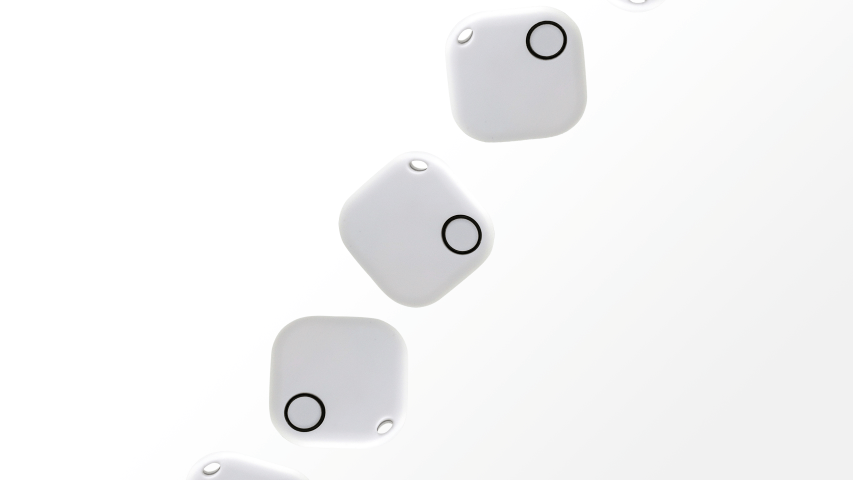
Wireless panic buttons allow these lone workers to call for help instantly and discreetly if they feel threatened. These small, lightweight devices can be worn on the body and activated quickly and easily simply by pushing a button. When the device is activated, the user’s real-time location is sent straight to a security guard or hotel security center. This ensures help reaches the distressed staff member as quickly as possible.
Hotel panic button systems help to address many of the most serious safety issues faced by hotel workers. This is why they’re a key part of the AHLA 5-Star promise and why hotel employees across the country are pushing for more panic button mandates and increased worker protection.
A number of states and cities have already introduced ordinances designed to protect hotel workers from harassment and sexual assault.
New Jersey
In September 2018, New Jersey introduced a bill aimed at minimizing the risks hotel workers face on a daily basis. The law applies to establishments with 25 or more hotel rooms and requires employers to equip employees who work alone with a dedicated safety device. This must be an electronic device or two-way radio that employees can use to quickly call for help in case of an emergency.
Since June 2019, recognizing that voice communications in these situations serve to escalate tensions, the state has required hotels with more than 100 guest rooms to provide employees with a Bluetooth panic button.
California
Currently, California doesn’t have any statewide laws that mandate the use of panic buttons in the hotel industry, although bills are being introduced in the state legislature. However, a number of cities and municipalities within the state have introduced their own legislation to protect employees and make the industry safer. Cities with panic buttons laws currently in place include:
Santa Monica
Oakland
Sacramento County
City of Sacramento
Long Beach
A number of other cities in the state have passed legislation as recently as August 2022, most notably Los Angeles and Glendale, and more are likely to introduce panic button laws in the coming years.
Washington
In January 2020, Washington State introduced a law requiring all hotels and motels with 60 rooms or more to provide hotel employees with a personal safety device. Hotels and motels with fewer than 60 rooms had until January 1, 2021, to provide their staff with a panic button or notification device.
In Seattle, panic buttons must be given to all employees that provide in-room services like cleaning, room service and maintenance. The law applies to hotels with 60 rooms or more.
Illinois
By July 2020, every hotel in the State of Illinois with over 100 guest rooms was required to provide both full and part time staff with wireless panic buttons in order to comply with the state’s Hotel Employee Safety Act. The panic button must come at no cost to the employee.
Las Vegas
Panic buttons for hotel workers are not currently mandatory in Las Vegas or Nevada. However, unions in the city are pushing for new laws to be introduced to protect workers in the casinos and hotels that dominate the city and they are including the requirement when they renegotiate their collective bargaining agreements across the country.
Every year, new panic button laws are being introduced in cities and states across the US. In most of these areas, fines are imposed on businesses that fail to comply with the law. These fines can range from $25 per day to $10,000 per infraction. This shows the commitment of local and state authorities to the introduction of panic buttons and safety standards in the hotel industry overall.
Things to Consider When Evaluating Staff Safety
Whether your business is required by law to provide staff with panic buttons or not, evaluating staff safety is an important part of protecting employees and creating a healthy work environment.
According to attorney Greg Duff, who chairs the hospitality practice at Foster Garvey in Seattle, “These mandates are creating a standard, even for properties not directly affected by them,” he explained. “The problem of workplace harassment has been clearly established and well-publicized, so hotels that choose to do nothing run the risk of being in violation and seen as negligent.”
Carrying out a staff safety evaluation can also help to inform your sexual harassment policy and your lone worker policy, two documents essential for keeping employees safe.
Get Hotel Panic Buttons for Staff Safety
Panic button systems can have a huge impact on staff safety. This makes them a popular safety solution in hotels and motels across the country. Hotel panic button solutions can be installed in public areas and guest rooms or used as wearable personal safety devices by hospitality workers.
Panic buttons allow hotel workers to call for help quickly and discreetly if they feel threatened by a guest or colleague. They also allow employees to summon help fast in case of an incapacitating trip, slip or fall, or guest emergency.
Connectivity of The Hotel Panic Button
Connectivity is a key issue when it comes to hotel panic buttons. Dead zone areas can put workers at risk, so it’s essential to ensure that your panic button system doesn’t let staff members down with it’s most needed.
Creating a self-healing Bluetooth network is one of the best ways to prevent dead zones and ensure panic buttons function correctly at all times. Some systems work with wi-fi, cellular or LTE backup to ensure every inch of a property is covered. This is essential for determining the exact location of an incident or person in need of help.
Proper Training Is Important
Panic buttons themselves are very easy to use. However, it can be helpful to train staff on their benefits and discuss with them when activation is appropriate. Security personnel also need to be trained on how to respond quickly and effectively to an activation.
These training sessions can also provide a valuable opportunity to talk to staff about their safety concerns. Including employees in the discussion can help to inform your safety policy and give you the chance to address any other safety fears they may have.
Requirement of Notice
Some panic button laws require hotels and motels to notify guests that panic buttons are in use. Even if notifications aren’t required by law in your area, letting guests know that you have an alarm system in place can help to reduce instances of sexual assault and harassment. It also shows guests that you prioritize staff safety and won’t tolerate inappropriate or threatening behavior.
Record keeping
A record should be kept every time a panic button is activated. Creating a comprehensive record will allow you to assess the effectiveness of the system and give you the information you need to improve safety standards across the board.
Hotel panic buttons can have a significant impact on the safety and security of both hotel workers and the guests they serve. Installing a system on your premises can help to reduce instances of sexual assault and harassment and protect your workers. This in turn can help to improve staff morale, reduce employee turnover, boost profits, and make your hotel a safer place to be.
Find out more about the benefits of panic buttons, and learn how our Bluetooth panic button systems are already protecting hotel workers across the country, by taking a look around or getting in touch with a member of our team. Request a Demo.
The US hotel industry is incredibly diverse. Ranging from small, family-run guesthouses to large international hotel chains, the sector is one of the cornerstones of the country’s economy. However, while there is a huge amount of variety within the industry, there are a number of issues that most hotel owners and managers will face at some point in their careers. Some of the most universal challenges are:
Of these, high staff turnover is one of the easiest to address and to put right. Reducing staff turnover can have a hugely beneficial impact on staff morale, the customer experience, and customer service. In fact, improving employee retention is one of the best ways to maximize your profits, keep guests happy and ensure your business runs as smoothly as possible.
Why Employee Turnover is Important?
According to the Bureau of Labor Statistics (BLS) Job Openings and Labor Turnover report (JOLTS), the hospitality industry has the highest turnover rates of any sector. Recent figures show that in 2021, the accommodation and food services industry had a turnover rate of 86.3%. While that may be down on the 2020 pandemic-induced high of 130%, it’s still significantly more than the national average of 47.2%.
The hotel industry’s exceptionally high employee turnover rate is important because finding, hiring, and training new employees costs a lot of money. On top of the expenses involved in onboarding new workers, high staff turnover can also have a negative impact on employee morale, productivity, and customer experience.
Reducing employee turnover and improving retention rate can therefore help hotels to save money, improve working conditions and boost customer satisfaction.
Reasons Employees Are Leaving Their Hospitality Jobs
The hotel industry has always had a higher-than-average turnover rate. In 2017, long before the pandemic hit, BLS figures show that the accommodation and food services sector had a turnover rate of 72.4%. That was compared to an overall average of just 43.3%.
There are a lot of reasons for this high employee turnover rate. A lot of people employed in the hotel industry are seasonal workers and so are likely to move on when their contract ends. Low pay, long working hours, and challenging working environments also make it difficult for hotels to retain staff long-term. When it comes to voluntary turnover, some of the most common reasons for leaving a role are:
Lack of Flexibility
A lot of workers in the hospitality industry cite a lack of flexibility as one of their main reasons for quitting. Most hotels have to be staffed around the clock and so operate on a strict shift system. This means that employees are often required to work evenings, weekends, and holidays.
Irregular working hours can lead to burnout and be difficult for those with young children, second jobs, and other responsibilities. A lot of employees, therefore, leave their hospitality jobs in search of a role that fits more easily around family life.
A lot of workers in the hospitality industry are on relatively low pay. This causes a lot of employees to leave their current roles in search of a better annual salary. However, with wages in the hospitality industry now rising at record levels, this issue may soon be a thing of the past.
Lack of Career Growth Opportunities
A lack of career growth opportunities can cause many employees to search for greener pastures. A lot of positions don’t have room for upward movement and many employers don’t offer their staff training or professional development programs. This leaves ambitious employees little choice but to move on.
Bad Company Culture
Hospitality is a people-focused industry. So, if a company has a boss with poor management skills, or if a hotel allows a bad company culture to develop, it can make life very difficult for employees.
Lack of Recognition & Appreciation
Everyone wants to be recognized for their hard work and dedication. However, a lot of employees in the hospitality industry feel underappreciated and unrecognized. This often decreases job satisfaction and encourages people to look for new roles.
Long Working Hours
A lot of hospitality workers are required to work long hours in order to cater to their guests’ needs. This can put a real strain on the mental and physical well-being of staff, especially if they’re carrying out demanding physical work like housekeepers, chefs, and waiting staff.
Lack of Communication
Good communication is an important part of creating a positive work environment. Poor communication between managers and staff, or between colleagues, can lead to misunderstandings, disagreements, and even conflict.
A high employee turnover rate will have largely negative outcomes for a hotel business. Firstly, it can cause standards to slip. Losing staff can lead to a reduced number of employees on-site and make it difficult for those that do show up to get the job done to a good standard.
Low staffing levels can also lead to reduced staff morale and increased employee burnout as other staff are forced to step in and take up the slack. If staffing levels drop particularly low, customers may notice a dip in the level of service they receive.
Last but definitely not least, a high level of layoffs and resignations is expensive and can have a serious impact on your bottom line.
Break Down in Productivity
Hotels, like most businesses, rely on their human resources departments to hire just the right number of staff necessary to efficiently run the premises. If employee separations reach a critical level, it can cause a serious breakdown in productivity. The remaining staff may struggle to get rooms prepared for guests, clean communal areas, and get food ready on time.
This drop in productivity is likely to have a direct impact on the quality of the guest experience and could result in poor reviews, or a reduction in the number of return visits.
Addressing a high turnover rate is actually relatively straightforward. Making some small, but important, changes in the way you run your business and care for your employees can have a big impact on staff morale. This can help you to retain good employees and improve your customer experience.
Keep Working Flexibility
Flexibility is one of the most important factors influencing employee satisfaction in the hotel industry. If possible, try giving your employees a little more flexibility when it comes to their schedules. Letting colleagues switch shifts, or even come in a little earlier or later, can make a huge difference.
While you’ll need to ensure the standard of work doesn’t drop, trusting your staff to get their work done and take responsibility for their schedules, can go a long way to improving the employee experience.
Be a Problem Solver for Your Employees
If you want to retain your employees, start by looking at the main reasons they quit. Solving these issues should help to encourage staff to stay and lower your turnover rate.
For example, if staff cite safety concerns as a reason for leaving, consider installing a wearable panic button system. This will allow housekeepers working alone to call for help if they feel threatened. Alternatively, you could invest in improved hospitality security in the form of security guards, entry code systems or CCTV.
If your employees feel they lack good opportunities, take a look around to see if there are any professional training programs you could get involved with. If you can’t offer training yourself, you could make it easier for employees to learn new skills by making your timetable more flexible.
Offer Good Compensation
Of all of the employee benefits you can offer, few are as compelling as better pay. Increasing the amount your average employee earns should encourage staff to work hard and stay with your business. Offering other incentives like healthcare will also help to retain staff and minimize turnover. Request a Demo.
Injuries and accidents in the workplace can damage a business in a number of ways. Most importantly, they can impact the health and wellbeing of employees. According to the Bureau of Labor Statistics, there were 4,764 fatal workplace accidents and 2.7 million nonfatal accidents in the US in 2020. Many of these workplace accidents will have left workers seriously injured and even permanently disabled.
Secondly, work-related injuries often result in employees taking considerable time off work to recuperate. This can significantly affect the productivity of a business, especially one with a small number of employees or one that’s struggling to survive.
Last but definitely not least, workplace accidents that result in injury can be subject to compensation claims. The more claims a business experiences, the higher their insurance premiums will be. Reducing workplace injuries is therefore not just important for improving employee welfare, it’s also an effective way of lowering costs.
One of the best ways to minimize workers’ compensation claims in the healthcare and hospitality sectors is to introduce comprehensive safety measures and create a culture of safety within an organization. Here, we take a look at some of the most effective ways of achieving this goal.
How Much Does Workers’ Compensation Cost?
Workers’ compensation costs can be divided into two main areas: direct and indirect.
Among the most direct costs businesses face are insurance premiums. Premiums are calculated using a set formula. This formula uses your state, the type of business you run and your total payroll to calculate your annual payments. The more dangerous your insurance company believes your industry is, the higher your premiums will be.
On top of the cost of workers’ compensation insurance premiums, businesses can face other direct costs including medical expenses and costs for legal services. According to the Occupational Safety and Health Administration (OSHA), employers in the US pay almost $1 billion per week for direct workers’ compensation costs alone.
Indirect costs associated with worksite accidents could include accident investigation, implementation of corrective measures, lost productivity, repairs to damaged equipment and costs associated with lower employee morale and absenteeism. You may also need to cover the cost of training new hires if injured employees are unable to return to work or need to take an extended period off.
How to Reduce Your Workers’ Compensation Costs
The best way to reduce the amount your business pays out in both direct and indirect workers’ comp costs, is to improve your safety record and implement relevant safety training. After all, the fewer injured employees you have, the more affordable your workers’ compensation policy will be and the less you’ll end up paying out in indirect costs.
The level of workers’ compensation premiums you pay can also be reduced if your company employs good safety practices and has a proven history of reducing the risk of injury to employees. Your premiums can also go up if you make a large volume of claims or there are serious safety issues in your workplace.
Create A Culture of Safety
Creating a culture of safety can have a big impact on the number of accidents in the workplace. Putting safety front and center will show employees that their wellbeing is important to your business and encourage all workers to put safety first.
Implement a safety program and create a comprehensive safety policy that can be distributed to all staff. If members of your team regularly work alone, make sure you have a lone worker safety policy in place as well.
Make sure that your employees know how important workplace safety is to your organization. This should help to ensure they don’t take unnecessary risks and help you to create a safe work environment.
Pick the Insurance Policy Which Suits You the Most
Your workers’ compensation insurance costs could be higher than they need to be if your policy isn’t right for your business. Insurance companies rate businesses according to the work they do. So, companies that are employed in more dangerous areas (like construction, health care and agriculture) will pay more than those that operate in less hazardous industries.
When taking out a new workers’ comp policy, one of the best ways to minimize your payments is to ensure your business is put in the correct category. Ask your insurance agent to check you’re paying the right rate for your industry.
The number of employees you have will also impact the cost of your premiums. So, if you downsize your workforce, make sure you let your insurer know.
If you live in a state with a competitive insurance market, shop around. You may well find that some providers are significantly cheaper than others.
Educate and Train Your Workers
The best way to reduce the cost of your workers’ comp claims is to prevent accidents from happening in the first place. Introducing workplace safety training can have a big impact on the number of incidents that occur on your premises, so it’s well worth investing in regular staff safety training.
Ideally, all full and part-time employees should undertake regular training sessions to ensure their knowledge stays fresh. Training programs should cover everything from the safe use of equipment to first aid. It should also cover general good practice and make employees aware of any relevant rules and regulations.
Offering a wellness program can help boost employee morale and ensure your staff is as healthy as possible. It can also help to rehabilitate injured workers and contribute to the culture of safety in your workplace. If you don’t have the capabilities to offer a wellness program of your own, talk to a local medical provider to see if they can help.
Implement A Return-to-Work Program
Implementing a return-to-work program can help to get injured employees back at work faster, even if it’s just for light duty. Your work program should encourage staff to come back to the office as soon as their injuries allow. As well as helping to minimize the amount you pay in workers’ compensation rates, this will also get your employees earning a paycheck again as quickly as possible.
Your return-to-work program could also help workers to fill out forms relating to their medical care (something that can reduce medical costs and speed up treatment) and give incentives to employees to return to work quickly. Providing this sort of assistance to injured workers can help to foster a positive culture in your business and demonstrate to your staff that you care.
Risk Management
Proper risk management is another effective way of reducing the number of accidents that happen in the workplace. According to the American Society of Safety Professionals, risk management is a formal process for identifying hazards and evaluating and analyzing risks associated with those hazards. Once these hazards have been identified, business owners can take action to eliminate or control them in order to minimize injury and illness.
In many cases, implementing solutions to workplace hazards will help to reduce the cost of workers’ comp premiums. This is because insurance companies like to see a proactive approach to workplace safety.
All issues identified during a risk assessment should be included in your company safety policy and solutions should be found to moderate these risks. For example, if your risk assessment highlights an issue with slips and falls, you could install new flooring to make accidents less likely.
Or if your assessment shows lone workers are at a higher risk of injury, you could issue your staff with wireless panic buttons. Having a panic button would allow employees working on their own to instantly and effectively call for help if they have an accident or suffer an injury. This can reduce the time it takes to get assistance and ensure lone workers feel properly protected.
Whether you run a large or small business, reducing workers compensation payments and insurance premiums will be important for your bottom line. Introducing comprehensive safety measures is the best way to protect staff and patients, minimize worker compensation claims, and help to create a safer environment for everyone. Get in touch with a member of our team to find out more.
Many members of the ROAR team have worked within the hospitality sector at some point in their careers. Those experiences give us some insight into the kinds of issues faced by hospitality establishments and venues—particularly when it comes to lone working and vulnerable staff.
We recognize that, while the hospitality industry is incredibly varied, taking in everything from hotels and motels to bars, restaurants, and entertainment spaces, they all share a common concern. Security.
With this in mind, here we explore some of the hospitality industries most common security issues and a range of possible solutions. Read on to learn more.
Thanks to the nature of the industry, keeping unauthorized visitors off the premises is an ongoing challenge. It’s not uncommon for hotel guests to bring friends and acquaintances back to their rooms while bars, restaurants, and other less secure premises can find it even harder to keep unwanted guests out.
Unauthorized visitors pose a threat to hospitality security because they’re hard to track and because their intentions can be unclear. Malicious individuals might steal money or stock, or cause damage to premises.
Not knowing how many people are on-site can also make it difficult to be compliant with safety regulations. Possible solutions suggested by our clients include:
Hiring security professionals to man the entrances
Installing an access control system to restrict entry to the premises and parking lot
Monitoring guests via smart camera systems
2. Antisocial Guest Behavior
Occasionally, even authorized guests can pose a security threat to those working in the hospitality industry.
According to a study published in the Harvard Business Review, up to 90% of women and 70% of men working in the restaurant industry had experienced some form of sexual harassment. Many of these assaults will have been committed by people who are on the premises legally.
As well as sexual harassment against staff, violence between guests, vandalism, and threatening behavior are all common anti-social behavior issues in today’s hotel and hospitality industry.
Our clients suggest reducing or even eliminating guest anti-social behavior by:
Training staff in de-escalation and conflict resolution techniques
Providing employees with panic buttons and adding signage staff is outfitted with them throughout the property. Knowledge of the system has been proven to reduce the frequency of incidents
Installing video surveillance to keep track of problem guests
Training security guards to spot guests that might pose a risk
A lot of people working in the sector simply don’t feel secure, especially when they’re required to work alone or in isolated areas.
Improving bar, restaurant and hotel security should therefore help hospitality business owners to improve staff retention, something that could in turn help to boost profits.
We suggest addressing employee safety concerns in the following ways:
Listen to specific employee safety concerns
Consider employing additional security personnel
Nominate security officers to monitor the premises
One of the main reasons for this is that a lot of small businesses haven’t yet assessed the internet security risks they face, let alone implemented a comprehensive online security plan to tackle them.
On top of this, businesses have to deal with theft by customers and malicious individuals as well as targeted attacks.
There are a number of measures hospitality businesses can take to minimize losses through theft. Our clients suggest:
Promoting credit card sales over cash transactions
Carrying out background checks on prospective staff
Reducing employee turnover
Installing CCTV monitoring systems
Wearable Panic Buttons for Hotel Employees
My own experiences within hospitality lead me to the belief that tackling security issues head-on is the best way to increase safety, reduce staff turnover, and protect your bottom line.
However, in addition to these benefits, taking a proactive approach to security that seeks to protect all stakeholders allows you to begin building safer and more inclusive work spaces for all everyone.
I recognize the need for responsive and flexible solutions that prioritize safety and wellbeing for staff and patrons. Our wearable panic button system allows employees to instantly and silently call for help when they feel threatened, spot unauthorized visitors or witness anti-social behavior.
This allows hotel security personnel to address issues as quickly as possible, minimizing risks and potential losses. Our clients at the Independence Visitor Center in Philadelphia also recognize the effectiveness of this technology, stating:
“We had two safety incidents in August 2023 that prompted me to get security staff on a permanent basis and which gave the staff great comfort. The ROAR panic buttons just gave the staff a crucial layer of protection. That’s the most important thing, that our employees feel safe.”
Panic buttons for hotel workers can be integrated quickly and easily into the existing security infrastructure. Affordable and effective, these systems can help businesses to address their security needs and keep employees and customers safe.
Find out more about the functionality of wireless panic button systems, and learn about the technology we offer, by requesting a demo with a member of our team today.
Due to the nature of the work, employees in the hospitality industry are particularly vulnerable to assaults and threatening or inappropriate behavior. In part, this is down to the fact that a lot of housekeepers work alone in guest rooms and food preparation areas, making it difficult for both managers and colleagues to always ensure safe working environments.
These statistics show just how important it is for hotels, resorts, and bed and breakfast establishments to implement policies that keep their workers safe. In fact, it’s among the reasons that many industry players are calling for increased safety measures across the board; from more comprehensive hygiene practices to combat Covid-19 to wearable panic buttons for hotel workers.
This means the introduction of a number of city and state laws aiming to improve safety within the industry. Many of these include a requirement to introduce panic buttons, particularly for those working alone and in isolated areas. However, there are also other measures being introduced, or that are already part of the health & safety measures hospitality businesses must follow. Here, we explore the kinds of safety regulations already in existence and what your business needs to prepare for.
What Safety Regulations Must Hotels Follow and Why?
While a lot of hospitality law relates to general health and safety as well as the treatment of guests and their valuables, there are an increasing number of ordinances that are aimed specifically at keeping hotel workers safe.
Although not all of these measures have been made into state or federal law, many are outlined in the AHLA’s 5-Star Promise. These include providing hotel employees with panic buttons, enhanced training, and specialist resources.
What are the Most Common Safety Violations Within the Hospitality Industry?
45% of workers have had hotel guests answer the door naked
15% have been cornered by a guest
10% have been touched
15% to 25% have felt pressured for dates or sexual favors or received unwanted sexual attention while at work
What are the Safety Challenges Within the Hospitality Industry?
The hospitality industry faces a number of ongoing public health challenges. Overcoming these challenges will help accommodation providers to protect their employees and keep their guests safe and secure.
Some of the most universal challenges are:
Housekeepers working alone
Transient guests
Large premises that can be difficult to monitor
High staff turnover
How Can Hotels Improve Safety?
Some of the easiest and most immediate ways for hotels to improve safety are:
Equip all employees with panic buttons
Introduce regular training on the use of panic buttons
Notify guests that panic buttons are in use
Comply with state laws and Department of Health guidelines relating to the industry
Regular health and safety training
Create clear channels for reporting abuse and inappropriate behavior
Act quickly when inappropriate or dangerous behavior is reported
This distinction between high-tech and low-tech panic buttons has been well received, with screamer panic buttons having several drawbacks compared to geo-location buttons, especially in large hotel complexes or in places where sound doesn’t travel easily.
Having said this, each area currently operates its own laws and regulations, and here, we look a little deeper into individual state laws around the country to help you identify what safety regulations you must follow in your location.
Washington State Panic Button Law
In Washington State, all hotels and motels must provide panic buttons for their employees. The date of compliance depended on their occupancy. Those with 60 or more rooms had to be compliant by January 1st, 2020, while those with fewer rooms had until 1st January 2021.
Seattle, Washington Panic Button Law
The city of Seattle introduced a panic button law of its own in November 2016. This law focused on protecting employees working alone. It required hotels with 60 or more guest rooms to provide each employee that was assigned to work alone with a panic button.
Illinois Panic Button Law
Laws regarding panic buttons in Illinois also focus on protecting lone employees. The regulations state that hotels and casinos are responsible for equipping these employees with a safety or notification device.
Hotels in the state were originally required to be compliant with these rules by the 1st of July 2020. However, this was later extended to 1st March 2021.
Massachusetts Panic Button Law
Though the state of Massachusetts has outlined its panic button law, the ordinance is still pending. Hotels will have one year after the passage of the ordinance to become compliant.
According to the legislation, hotels with 25 rooms or more will be required to provide panic buttons to employees that are expected to work in guestrooms or any other enclosed areas.
Long Beach, CA Panic Button Law
The panic button law in Long Beach, CA, requires hotels with 50 or more guestrooms to provide panic buttons for workers. It also requires these hotels to place notices regarding the use of panic buttons in guest rooms.
The date of compliance with this law was the 13th of November 2018. Hotels with fewer than 50 rooms had to become compliant by 13th November 2019.
Sacramento, CA Panic Button Law
As of 29th March 2018, hotels and motels with 25 or more rooms in the unincorporated area of Sacramento County were required to provide employees with a panic button or safety device.
West Hollywood, CA Panic Button Law
The city of Hollywood approved this ordinance in the Summer of 2021, and it is similar to what was passed in Sacramento. Learn more.
Santa Monica, CA Panic Button Law
Santa Monica, CA requires hotels to provide employees with panic buttons when they’re assigned to work in guestrooms or restrooms. The ordinance, which came into effect on 1st January 2020, also requires hotels to provide regular training for employees.
Oakland, CA Panic Button Law
As of 1st July 2020, Oakland hotels with 50 or more guestrooms must provide panic buttons to all employees assigned to work in a guestroom or bathroom without other employees present.
Los Angeles, CA Panic Button Law
The newest legislation to pass on July 7, 2022, it requires LA hotels with 60 or more guestrooms to provide panic buttons. Hotels must also post notices on the back of guestroom doors advising the law, and training must be conducted within 30 days of its enactment. Keep reading here for additional details.
Glendale, CA Panic Button Law
As of the 28th of July 2022, hotel employers are required to protect workers from violent or threatening behavior by providing employees with personal security devices, or panic buttons, at no cost to the employee.
Laguna Beach, CA Panic Button Law
On the 8th of November 2022, voters will decide on “Measure S” which includes a panic button requirement to protect hotel workers from violent or threatening conduct. Hotel employers shall provide a personal security device to each hotel worker assigned to a guest room or restroom facility where other hotel workers are not present. Update: this has passed.
Irvine, CA Panic Button Law
The city of Irvine, the first in Orange County, has officially approved panic buttons for hotels with 44 or more rooms. The ordinance which came into effect on the 25th of October 2022 also includes mandated training and guidelines for using and responding to the panic buttons.
Miami Beach, Florida Panic Button Law
As well as providing all employees with panic buttons or notification devices, hotels in Miami Beach are required to post signs in rooms notifying guests that panic buttons are in use. The deadline for compliance with this law was 1st August 2019.
New York City Panic Button Law
Hotels in New York have had to provide emergency devices for unionized hospitality workers since 2013. However, the introduction of wearable panic buttons with geo-location capabilities was recommended for all hotel staff by 2020.
Las Vegas, Nevada Panic Button Law
While there currently isn’t a panic button law in Las Vegas, two of the city’s largest casino companies, MGM Resorts International and Caesars Entertainment Corporation, began providing panic buttons in 2018. By 2019, virtually all housekeepers in Las Vegas were equipped with personal safety devices.
Find out how panic buttons are already protecting thousands of hospitality workers across the country and learn more about our panic buttons systems by getting in touch today.
Giving employees the tools and resources they need to protect themselves in the workplace is a must in the hotel industry: it helps in raising safety standards, makes the work environment more egalitarian and inclusive, and protects valued members of staff. Research has shown that hotel workers are up to twice as likely to suffer a sexual assault compared to those who work in other industries. This can lead to high levels of hotel staff turnover and increase stress levels for those working in the hospitality industry—particularly for vulnerable groups such as women and/or immigrants that make up a large percentage of the workforce.
A comprehensive panic button system is one of the best ways of improving personal safety for those working in the American hotel industry. Effective and affordable, panic buttons can be used in hotels of all sizes to protect employees, boost workplace safety and raise standards across the industry.
But what exactly does a panic button do, and how can it be effectively implemented in hotels? Here, we explore those questions and provide more insight into the function and purpose of panic buttons.
What Does a Panic Button Do?
There are various types of panic buttons on the market, alongside a few other tools that are associated with personal protection in the workplace. While some devices are designed to simply emit a loud sound or be used as a weapon, such as screamers and pepper sprays, others offer more high-tech solutions, using Bluetooth or WiFi to call hotel security and provide responders with the exact location of the person requiring assistance. This allows security to act quickly when a staff member is in danger and provide the help and support employees need to keep them safe when they’re at work.
A panic button is not a weapon, but rather a defensive device designed to both call for help and act as a deterrent to would-be transgressors. Unlike other personal safety products such as pepper sprays and tasers, it cannot be taken from the user and turned into a weapon against them.
This makes panic buttons a significantly safer option for employees, guests, and the general public, with a significantly lower chance of the device being misused in a dangerous way. This also means that as well as helping to improve staff safety a panic button system can benefit hotel guests. If a member of staff comes across a guest in distress or in need of medical attention, they can use their panic button to get help to their precise location, saving precious seconds when needed most.
Where Do You Put a Panic Button?
Hotel panic buttons can be installed in public areas, guest rooms, or used as wearable personal safety devices by hospitality workers. A wearable panic button gives hotel housekeepers and other employees instant access to help when they need it most. These types of employee safety devices are very discreet and easy to wear. They’re designed to be comfortable and to be readily accessible when help is required.
In reality, most panic button systems merge both wearable and location systems in some way, often providing employees with a remote button that can be carried which links to a wider network of receivers that can be used to call for help.
Panic Buttons for Hotel Employees
Wearable safety devices are the ideal panic button solution, designed to both prioritize hotel employee safety and ensure protection of guests. Because housekeepers and other workers spend their days moving from one guest room to another, safety alarms and devices installed in fixed locations (such as under desks or on walls) are less suitable for hotels. Additionally, workers may often find themselves in isolated parts of the hotel.
Wearable, wireless hotel panic button systems not only allow hotel workers to call for help whenever necessary, but they also provide hotel security with precise locations in real-time as soon as the call is made. The most effective devices do not continuously track employees or identify them by name when help is required. This enables staff to maintain anonymity and autonomy, as well as ensuring they cannot be discriminated against during critical incidents.
A number of cities and states now require panic buttons to be supplied to employees by law. Chicago already has an ordinance in place, as do Seattle, New Jersey, Miami Beach and parts of New York, and California. It is likely that this type of legislation will continue to grow as the industry wakes up to the scale of the threat faced by hotel workers.
According to these new laws, employee safety devices are required to be portable or wearable. Additionally, The American Hotel and Lodging Association (AHLA) recommends the use of wearable panic buttons as part of its 5-Star Promise, the organization’s commitment to reducing sexual harassment, boosting employee safety and creating a culture that values workers and worker safety.
How Much Does a Panic Button Cost?
The cost of a panic button system will vary depending on the size of the hotel, the number of employees and the spec of the system used. However, as panic buttons help to dramatically improve worker safety, reduce sexual harassment, and minimize staff turnover, they offer excellent value for money. What’s more, with a number of cities and states now imposing fines on hoteliers who don’t provide the necessary staff safety devices, panic button systems make even more financial sense. Not to mention the mitigation of lawsuits after a harassment case or an injury occurs.
Wearable panic buttons are an effective way of protecting hotel employees from assault and sexual harassment and improving workplace safety. Learn more about keeping your employees safe by taking a look at our hotel employee safety tips. You can also find out more about panic button systems, and about the specialist safety solutions we offer, by getting in touch with a member of our team today.
TLDR Comprehensive security procedures can help your hotel avoid all kinds of dangers, from incidents of workplace violence to terrorist threats, while also ensuring a warm welcome for your guests. According to the American Hotel & Lodging Association, “people taking care of people” is what it’s all about, so here are 10 easy wins as recommended by some of our clients to care for staff and guests.
However, it takes proactive, ongoing, and continuously reviewed plans to ensure they work effectively, and regular reviews of hotel safety and security are critical.
With this in mind, this article will explore 10 security procedures that work and that are taken from my own experiences and input from our clients.
There are many different approaches to ensure protection for hotel staff and guests while delivering positive guest experiences at the same time.
In fact, many security systems, procedures, and technologies can be implemented subtly and without dramatically overhauling the structure or ambience of the building.
Many of these elements can be implemented through simple resource allocation, good management, and regular maintenance. Here, we look at where to start:
1. Lighting
Our clients in the hotel industry suggest that isolated spaces should be well lit and regularly maintained as problematic behaviors often happen in dimly lit areas.
Ensuring bulbs are checked and replaced when broken, or improved lighting systems are installed, has been shown to reduce crime by up to 36% in cities. Public areas such as parking lots, hallways and alleys should be the focus.
2. Control Access
Either using a surveillance system or by redirecting paths, all traffic should pass through areas that can be easily controlled and monitored.
We recommend eliminating or blocking “non-spaces” from public access, and designing your premises to direct footfall through the building in an efficient way. This will prevent large groups accumulating in busy public areas.
3. Regulate the Number of Entrances
The fewer there are, the fewer security personnel and resources will be required to monitor them. Again, controlling through traffic can help you decide on the best placement, and entrances should always be part of your access plan.
Exits should be designed with fire safety in mind, allowing fast egress of the building.
4. Exterior Maintenance
Simple maintenance jobs such as painting, gardening and cleaning up litter from hotel property send a message to both hotel guests and potential transgressors. The “Broken Window Theory” suggests that visible signs of crime, anti-social behavior, and civil disorder may encourage further crime and disorder.
Additionally, a well-maintained exterior also improves client-perception of your establishment, and our clients suggest that it also makes for a great instagram photo!
5. Hotel Room Maintenance
Cleanliness and proper maintenance tell good customers they are valued and dissuade bad behavior. In a similar way to exterior maintenance, a dirty, messy, or poorly maintained room is an invitation to treat it in the same way in which it was found.
Dirty guest rooms are also among the most common guest complaints, and so ensuring yours are of the highest standard is a win-win.
Uses of Security Technology and Devices in Hotels
Alongside regular maintenance and the intelligent use of space, technology has a large part to place in hotel security procedures.
Our clients that use modern security systems report that they are both discrete and help improve guest experience while supporting security officers. Video surveillance, digital key cards, and hotel panic buttons are three ways to achieve this.
6. Digital Keys
Conventional room keys are easily lost, literally opening the door to theft or break in. Digital credit card-type key cards, however, can be activated or deactivated when necessary.
Additionally, this technology also prevents criminals from copying keys for use after they have checked out.
7. CCTV Security Cameras
Today’s security systems are unobtrusive and highly effective, and not only allow you to catch illegal activity that may elude security guards, but also serve as a deterrent.
Cameras covering the front desk and in other public areas will decrease the likelihood of bad behavior or criminality while also providing hotel staff and the law enforcement with a visual record of any incidents that may take place.
8. Wearable Panic Buttons
Ensuring a fast response when staff or guests are in danger is key to delivering effective help or stopping incidents escalating.
Our clients report that wearable panic buttons provide a discreet safety net for staff in trouble while allowing frontline employees to alert security if guests are in danger, without also placing themselves in harm’s way.
We know that not all hotel guests come with good intentions, and it is essential to flag suspicions from the start.
In addition to this, poor onboarding and recruitment can leave you vulnerable, with theft and fraud two of the most pervasive issues in the industry—from both guests and staff. There are two effective ways to minimize fraud and theft on your premises:
9. Registration Process
Best practice is to ensure staff fill out the information contained in registration forms themselves by asking relevant questions.
Ask for several pieces of I.D. from each guest at check in; ask questions about the number of people staying in the room and potential visitors; check license plate numbers.
In addition to this, keep easily accessible records, introduce more secure payment systems, and ensure data protection policies are adhered to.
If this is true, then treating your staff with respect, paying them fairly, providing vacation time, and communicating hotel policies can go a long way to combating the issue, removing the need for employees to “hit back” at the employer.
Our clients stress that striking the balance between robust security measures and a welcoming atmosphere is a priority. However, over the past 20 years, security measures have been ramped up in response to the increased threat of terrorism and a global health crisis.
Rising awareness of the dangers to staff within the workplace is also making a huge impact on the industry. Today, managers and owners are facing increasing pressure to provide safer working environments for employees, and comprehensive security procedures allow them to do this.
In turn, better working environments provide staff with peace of mind, allowing them to perform better and for your hotel to run more efficiently.
Emergency Response and Evacuation Procedures
In the event of an emergency, quick and decisive action is critical to making sure both hotel staff and guests are safe. Every hotel should have an established emergency response plan and evacuation procedures that are practiced regularly. This includes identifying exit routes, designating gathering points, and ensuring staff are trained to assist guests during evacuations. Clear communication protocols, such as using walkie-talkies or panic buttons, helps staff work together effectively during crises.
Equipping the staff with a 911 panic button solution provides immediate access to emergency services at the push of a button. These tools offer an additional layer of security, ensuring that help is on the way in the most urgent situations.
The Final Word on Hotel Security
The importance of robust and regularly reviewed hotel safety cannot be understated. It offers guests and staff protection, but also acts as a determining factor for travelers when choosing accommodation.
From our talking with our clients, we also know that it also allows you to deliver top-level service that circles back and provides enhanced security for everyone.
For hoteliers across the US, improving hotel security, and subsequently, hotel safety cannot be overlooked especially with today’s labor shortage.
The good news is, however, that this can be achieved with a few simple changes and the introduction of market-ready technologies.
In fact, any hotel can improve hotel security procedures without necessarily investing large sums of money. Take this ROI calculator to see for yourself.
Finally, as legislation also begins to catch up and prioritize both guest and employee security within hotels, the issue of compliance must also be discussed.
This is why ROAR has developed our panic button technology specifically for hotels, providing your workers with wearable and discreet panic buttons to summon help quickly.
HOTEL SAFETY
Protect Your Hotel Staff and Guests
Panic button mandates are expanding across the US. ROAR provides your staff with wearable, discreet panic buttons that meet compliance requirements while keeping your team safe.
ROAR for Good is thrilled to announce a new multisite partnership with Gulph Creek Hotels, delivering tour AlwaysOn Staff Safety Platform across three of the chain’s sites to improve staff safety and wellbeing while at work. We have rolled out our technology across three sites so far:
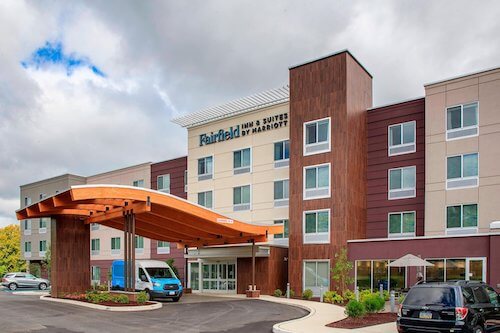
1. Homewood Suites in Eatontown, NJ — 131 rooms 2. Home2Suites in Downington, PA — 115 rooms 3. Fairfield Inn & Suites in Berwyn, PA — 124 rooms
This is just the beginning and there are plans to expand panic button capabilities across more of the chain’s 20 East Coast sites in the next year as an integral part of the Gulph Creek Hotels commitment to employee safety, health, and wellness.
Working closely with and management and staff at group, co-founder Doug McBreaty had this to say:
“We carefully vetted and tested this technology solution with our staff, to make sure it was something that they wanted to implement. The response was overwhelmingly positive, and we knew ROAR for Good was the right partner for us. Not only do they align with our mission and goals, but they provide a layer of security that allows our staff to be more efficient and productive throughout their shift.”
ROAR for Good provides smart and discreet panic button devices that are worn by housekeepers and hotel staff to provide a safety net in the workplace. Founded in 2014, our technology was among the first on the market, and by 2017 we were a market leader with sales in over 45 countries. In response to our latest partnership, our CEO Yasmine Mustafa had this to say:
“We know there’s a great deal of health and economic uncertainty in the hotel industry today, but general managers and hotel owners recognize the urgency to improve safety, security, and with it, the morale of housekeepers and back of house staff. We’re proud to be able to bring our best-in-class panic button solution to Gulph Creek Hotels, a leading brand that has demonstrated a long-time commitment to its employees’ health and wellness.”
ROAR for Good believes that everyone has the right to work in a safe and supportive environment, and as panic button laws roll out across the US, both the industry and government is beginning to recognize the importance of discreet devices that can summon help quickly to a staff members location.
This is, in part, thanks to the Hands Off Pants On movement and the 5-Star Promise, that have highlighted the scale of worker harassment in an industry that has a large majority of female staff. Our aim is to continue working with industry-leading hotel chains to foster inclusive workplaces where everyone is “empowered to thrive”. We commend Gulph Creek Hotels commitment and look forward to celebrating future partnerships.
For more information on our products, contact us today to discuss how the AlwaysOn technology can be implemented in your hotel. Additionally, stay tuned to the ROAR for Good blog for more insights into panic button technology and its uses.
Back in 2016, spurred by first-hand reports from hotel workers in Chicago, the “Hands Off, Pants On” movement was started to protect the 58% of housekeepers who experience sexual harassment from guests on the job. This survey, conducted by UNITE HERE shed light on the scale of the problem facing a workforce of over 7 million women, eventually forcing local and national governments to act and begin legislating greater protection for workers across the industry.
Subsequently, panic button laws have rolled out across the nation, and today, the hotel industry is becoming increasingly familiar with legislation requiring properties to protect staff using real-time tracking devices that allow them to summon help to their location.
The first regulations were implemented at city level with Seattle’s 2016 ordinance. Chicago followed shortly after, and by 2020, regulations we’re being implemented on a state-wide level, with New Jersey, Washington, Illinois among those mandating the use of panic buttons in hotels.
Four years on from the first panic button mandate, here at ROAR for Good we’ve discovered the real-world application of this technology has stretched beyond the initial use case—something we’re learning from every day to ensure our products are flexible enough to cater to a wide range of workplace issues. Here then, we explore 8 other uses of personal safety devices as recounted to us by staff already using them.
1. Serious injuries
Did you know hotel workers are 40% more likely to be injured than all other service workers? Due to the daily grind of their job, they are twisting, pulling, bending all day, causing musculoskeletal disorders and other conditions that can lead to on-the-job injuries with the potential for incapacitation.
Wearable panic buttons allow staff to call for help quickly, especially if they become immobilized due to injury. This is preferable to a staff member crawling across the floor to call for help, allowing security to arrive to properly assess the individual without aggravating the injury.
2. Policing guests not wearing masks
70% of housekeepers speak English as a second language, meaning communication between staff and guests can sometimes be challenging. This is particularly true as hotels adapt to the “new normal”, and increased obligations are laid on guests to follow protocol on mask wearing, social distancing, and personal hygiene.
The challenge for staff who are asked to police guests who are not following COVID protocols then is twofold. Firstly, staff may not have the language to express what is required of guests; and secondly, guests may be confrontational when approached on this particular subject. The bottom line is, this issue is not in the remit of your workforce’s tasks, and staff should never be placed in a position that may lead to confrontation.
Specifically, we’ve heard of cases where our clients are now using them to summon a manager to have that tough conversation instead, helping to avoid any communication issues and de-escalate potential conflict.
3. Guests who need help
We once heard a story about a housekeeper entering a room and discovering a guest in their bed who was in the process of overdosing. She was able to press her alert device to get help right away, then call emergency services from the hotel phone. Those extra seconds can make a tremendous difference in incidents such as these, allowing guests to receive medical assistance before emergency dispatchers can organize an ambulance.
The fact is, every second counts in such situations, and this technology can aid in getting help quickly. Good news is we heard the guest recovered.
4. Stuck in a locked room
Often, hotel employees are discouraged from carrying their phones during a shift, and while this may be part of your hotel’s protocol, it can leave individuals at risk. For example, we’ve heard of a story of a staff member who was locked in a linen closet without their phone and was able to use their panic button to get help to their location.
However, there are perhaps more serious issues that can be avoided by the use of panic buttons, such as getting locked in a walk-in freezer or getting stuck when electric doors or fail to work correctly. Here, this button has the power to summon help when other technology may not be available.
5. Call immediate attention to rowdy groups or tense situations
Full-service hotel workers with restaurants and bars that are open late know the moment an incident is escalating, and silent alarms and other panic button technologies allow employees to call for assistance without exacerbating the situation.
We’ve had clients use their devices to de-escalate a situation by calling security to step in before a fight ensued. Equally, having these subtle devices to hand means staff with direct access to the monitoring center can check-in easily, allowing them to be confident in approaching these highly tense situations.
6. Workers experiencing medical conditions
Employees with health conditions, or simply those who feel ill while at work, can benefit from easily accessible panic buttons, especially when working alone. We’ve personally heard stories where housekeepers have used the technology after fainting.
In the same way as guests may need help in the case of medical emergencies, staff can also benefit from fast-response first aiders in the event of suffering serious health issues while at work. Additionally, panic buttons provide a safety net to employees in the worst-case scenario when they are physically incapable of asking for help.
7. Report a human trafficking incident
Hotels have historically been among the top three most common venues for trafficking. In situations where seconds or minutes can matter, having quick access to summon help instantly can make a huge impact on the lives of those subject to this type of crime. They can also help protect employees from dangerous guests who are perpetrating these crimes on their premises.
Panic button technology has the potential to act as an early warning system in these cases, and with staff often flying under the radar and being exposed to more hidden criminal activity than most, these tools allow them to call in management or security to observe behavior and potentially step in or call the police when needed.
8. Reduce employee turnover
The added safety net afforded by panic buttons also has a workforce-wide effect on employee turnover. Those hotels that have already implemented the technology have reported happier employees, and as a result, reduced turnover. Alert systems can help to make hotel working environments more inclusive and hotel policies more empathetic to issues faced by staff during their working day. This, in turn, helps to raise job satisfaction and security, providing hotel managers with tangible proof that employees are appreciated and respected. As Richard Branson of Virgin famously said, “Take care of your employees, and they’ll take care of your business.”
Bonus: Use as a recruitment tool
We just heard from a prospective client who is having trouble hiring housekeepers and is budgeting employee safety devices for this year to aid in his recruitment efforts. It will be for housekeepers coming back to work as their occupancy rates increase as well as new housekeepers.
Here at ROAR for Good, we’re constantly exploring the potential of our AlwaysOn technology, empowering staff and hotel managers with a safety solution that summons help with the touch of a button. It is non-intrusive, easy to install and manage, and offers 24/7/365 live transmission regardless of WiFi coverage, dead spots, and even power outages. AlwaysOn™ offers room accuracy, alarm location tracking, and false alarm prevention. As a result, our mesh technology and LTE backup enable you to quickly and easily meet current and future compliance requirements—do the right thing for hotel staff and do so at low cost. AlwaysOn delivers superior peace of mind. Learn more by contacting us today.