
Back in 2016, spurred by first-hand reports from hotel workers in Chicago, the “Hands Off, Pants On” movement was started to protect the 58% of housekeepers who experience sexual harassment from guests on the job. This survey, conducted by UNITE HERE shed light on the scale of the problem facing a workforce of over 7 million women, eventually forcing local and national governments to act and begin legislating greater protection for workers across the industry.
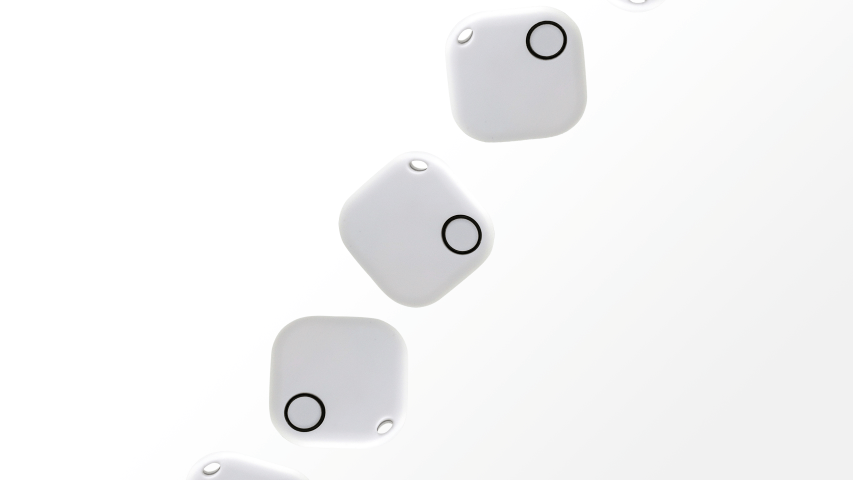
Subsequently, panic button laws have rolled out across the nation, and today, the hotel industry is becoming increasingly familiar with legislation requiring properties to protect staff using real-time tracking devices that allow them to summon help to their location.
The first regulations were implemented at city level with Seattle’s 2016 ordinance. Chicago followed shortly after, and by 2020, regulations we’re being implemented on a state-wide level, with New Jersey, Washington, Illinois among those mandating the use of panic buttons in hotels.
Four years on from the first panic button mandate, here at ROAR for Good we’ve discovered the real-world application of this technology has stretched beyond the initial use case—something we’re learning from every day to ensure our products are flexible enough to cater to a wide range of workplace issues. Here then, we explore 8 other uses of personal safety devices as recounted to us by staff already using them.
1. Serious injuries
Did you know hotel workers are 40% more likely to be injured than all other service workers? Due to the daily grind of their job, they are twisting, pulling, bending all day, causing musculoskeletal disorders and other conditions that can lead to on-the-job injuries with the potential for incapacitation.
Wearable panic buttons allow staff to call for help quickly, especially if they become immobilized due to injury. This is preferable to a staff member crawling across the floor to call for help, allowing security to arrive to properly assess the individual without aggravating the injury.
2. Policing guests not wearing masks
70% of housekeepers speak English as a second language, meaning communication between staff and guests can sometimes be challenging. This is particularly true as hotels adapt to the “new normal”, and increased obligations are laid on guests to follow protocol on mask wearing, social distancing, and personal hygiene.
The challenge for staff who are asked to police guests who are not following COVID protocols then is twofold. Firstly, staff may not have the language to express what is required of guests; and secondly, guests may be confrontational when approached on this particular subject. The bottom line is, this issue is not in the remit of your workforce’s tasks, and staff should never be placed in a position that may lead to confrontation.
Specifically, we’ve heard of cases where our clients are now using them to summon a manager to have that tough conversation instead, helping to avoid any communication issues and de-escalate potential conflict.
3. Guests who need help
We once heard a story about a housekeeper entering a room and discovering a guest in their bed who was in the process of overdosing. She was able to press her alert device to get help right away, then call emergency services from the hotel phone. Those extra seconds can make a tremendous difference in incidents such as these, allowing guests to receive medical assistance before emergency dispatchers can organize an ambulance.
The fact is, every second counts in such situations, and this technology can aid in getting help quickly. Good news is we heard the guest recovered.
4. Stuck in a locked room
Often, hotel employees are discouraged from carrying their phones during a shift, and while this may be part of your hotel’s protocol, it can leave individuals at risk. For example, we’ve heard of a story of a staff member who was locked in a linen closet without their phone and was able to use their panic button to get help to their location.
However, there are perhaps more serious issues that can be avoided by the use of panic buttons, such as getting locked in a walk-in freezer or getting stuck when electric doors or fail to work correctly. Here, this button has the power to summon help when other technology may not be available.
5. Call immediate attention to rowdy groups or tense situations
Full-service hotel workers with restaurants and bars that are open late know the moment an incident is escalating, and silent alarms and other panic button technologies allow employees to call for assistance without exacerbating the situation.
We’ve had clients use their devices to de-escalate a situation by calling security to step in before a fight ensued. Equally, having these subtle devices to hand means staff with direct access to the monitoring center can check-in easily, allowing them to be confident in approaching these highly tense situations.
6. Workers experiencing medical conditions
Employees with health conditions, or simply those who feel ill while at work, can benefit from easily accessible panic buttons, especially when working alone. We’ve personally heard stories where housekeepers have used the technology after fainting.
In the same way as guests may need help in the case of medical emergencies, staff can also benefit from fast-response first aiders in the event of suffering serious health issues while at work. Additionally, panic buttons provide a safety net to employees in the worst-case scenario when they are physically incapable of asking for help.
7. Report a human trafficking incident
Hotels have historically been among the top three most common venues for trafficking. In situations where seconds or minutes can matter, having quick access to summon help instantly can make a huge impact on the lives of those subject to this type of crime. They can also help protect employees from dangerous guests who are perpetrating these crimes on their premises.
Panic button technology has the potential to act as an early warning system in these cases, and with staff often flying under the radar and being exposed to more hidden criminal activity than most, these tools allow them to call in management or security to observe behavior and potentially step in or call the police when needed.
8. Reduce employee turnover
The added safety net afforded by panic buttons also has a workforce-wide effect on employee turnover. Those hotels that have already implemented the technology have reported happier employees, and as a result, reduced turnover. Alert systems can help to make hotel working environments more inclusive and hotel policies more empathetic to issues faced by staff during their working day. This, in turn, helps to raise job satisfaction and security, providing hotel managers with tangible proof that employees are appreciated and respected. As Richard Branson of Virgin famously said, “Take care of your employees, and they’ll take care of your business.”
Bonus: Use as a recruitment tool
We just heard from a prospective client who is having trouble hiring housekeepers and is budgeting employee safety devices for this year to aid in his recruitment efforts. It will be for housekeepers coming back to work as their occupancy rates increase as well as new housekeepers.
Here at ROAR for Good, we’re constantly exploring the potential of our AlwaysOn technology, empowering staff and hotel managers with a safety solution that summons help with the touch of a button. It is non-intrusive, easy to install and manage, and offers 24/7/365 live transmission regardless of WiFi coverage, dead spots, and even power outages. AlwaysOn™ offers room accuracy, alarm location tracking, and false alarm prevention. As a result, our mesh technology and LTE backup enable you to quickly and easily meet current and future compliance requirements—do the right thing for hotel staff and do so at low cost. AlwaysOn delivers superior peace of mind. Learn more by contacting us today.