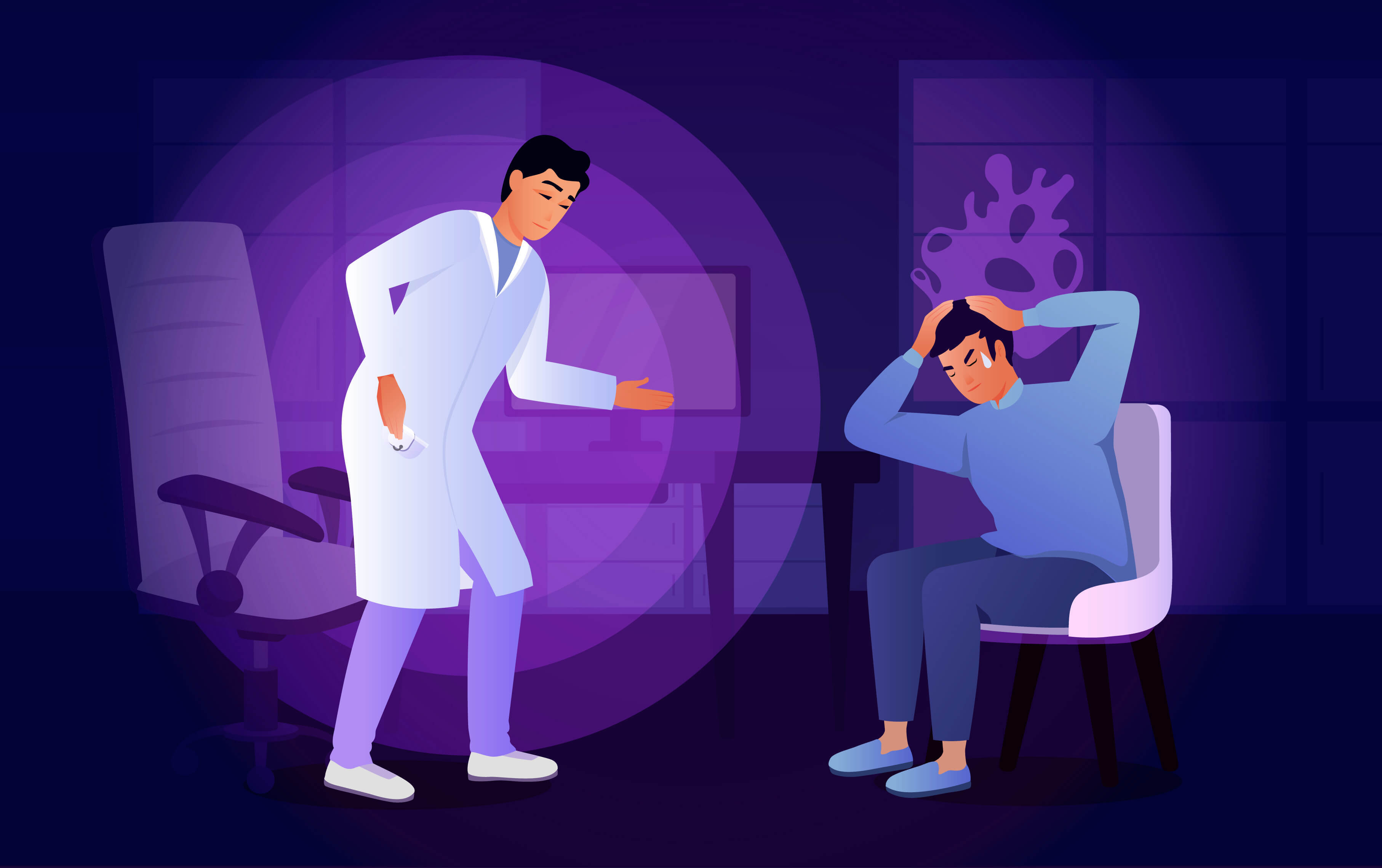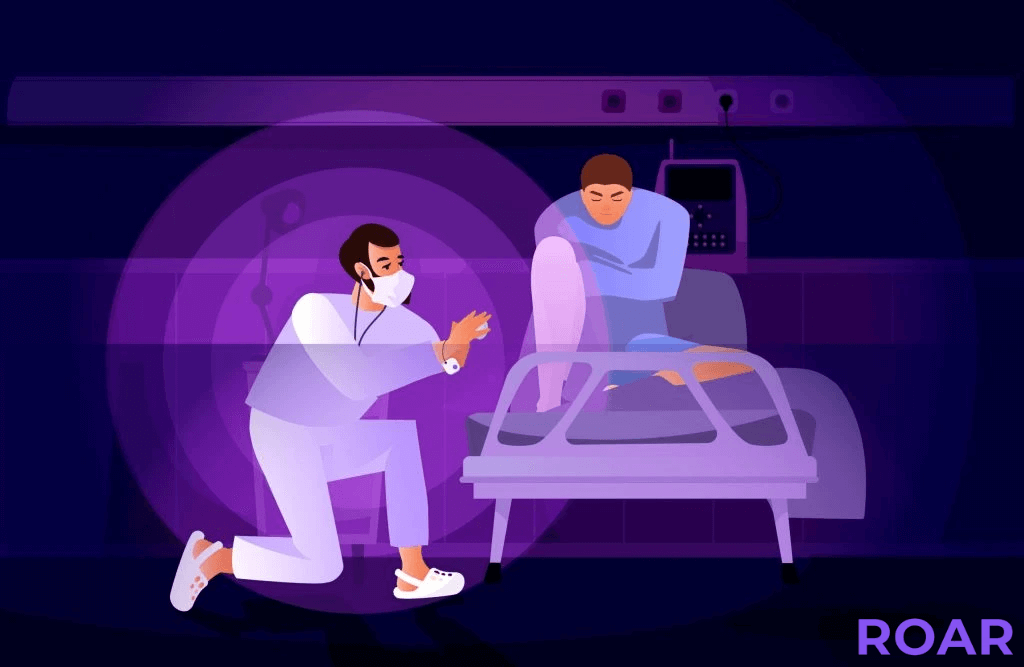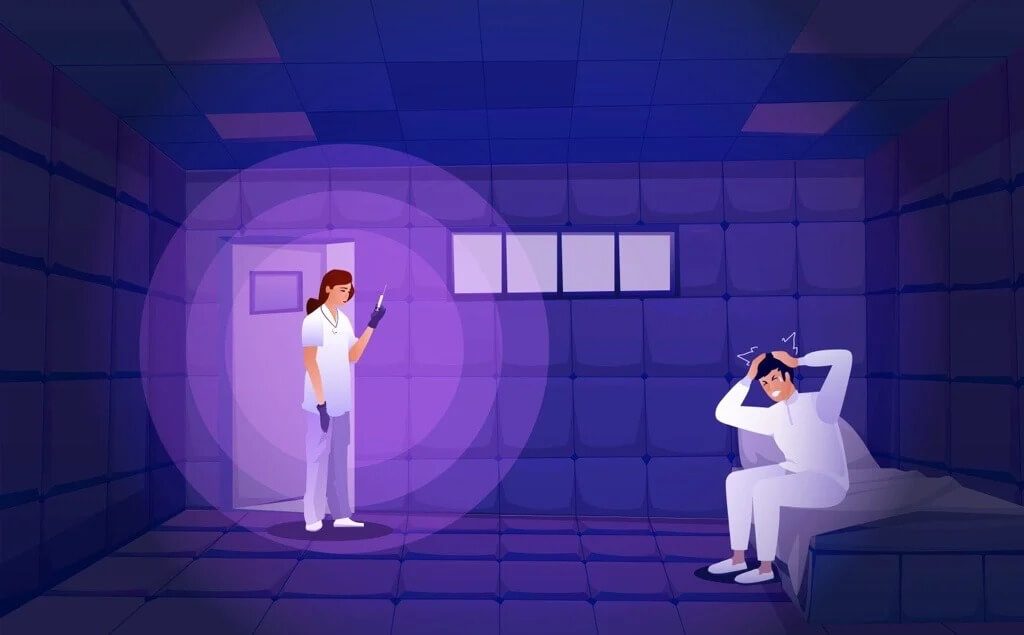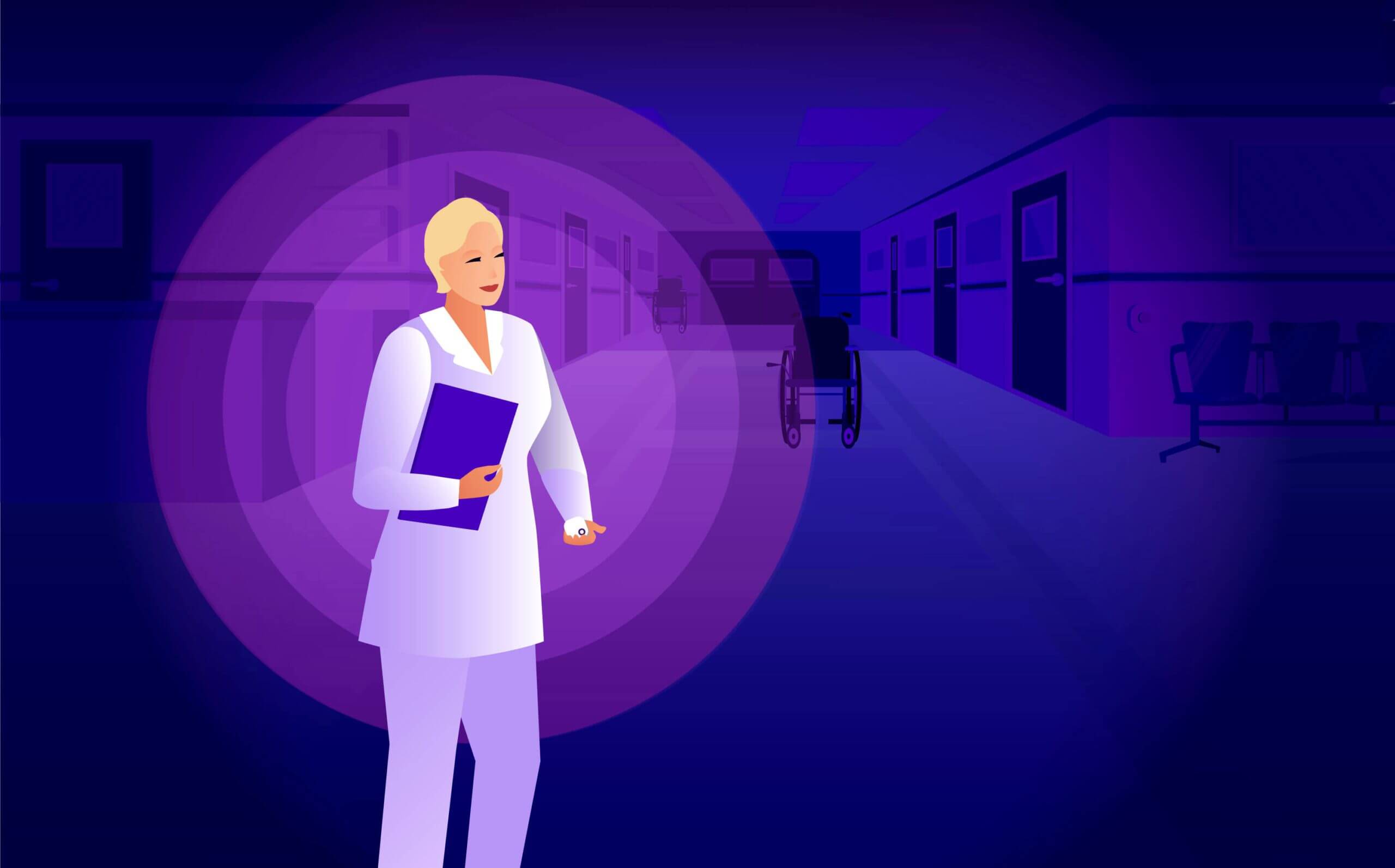
Safety Tips for Nurses in The Workplace

Author:  Peter Klebanoff, Vice President of Healthcare Sales

Healthcare environments can be challenging places to work for a number of reasons. From general risks like trips, slips and falls, to more specific hazards like needlesticks and patient violence, nurses have a lot to cope with.   

Because nurses and other healthcare workers do face a large number of physical and emotional challenges, it’s important to put proper safety procedures in place. These rules, regulations and practices can go a long way to preventing injury in the workplace and keeping healthcare professionals safe. Here are a few of the most important safety tips for nurses. 

Common Safety Concerns for Nurses 

According to the American Nurses Association, the top workplace safety concerns for nurses working in the U.S are stress and overwork (74%) and musculoskeletal injury (62%). Figures from the American Nurses Association also show that nurses are increasingly worried by workplace violence and patient assaults. 

Other common safety concerns for nurses include: 

  • Physical injury
  • Mental wellbeing
  • Infection
  • Chemical hazards
  • Radiation exposure
  • Exhaustion

Tips for Minimizing Daily Safety Risks 

According to the Occupational Safety and Health Administration (OSHA), U.S. hospitals recorded 221,400 work-related injuries and illnesses in 2019 alone. That’s a rate of 5.5 work-related injuries and illnesses for every 100 full-time employees, almost twice the rate for private industry as a whole.  

There are some risks that are endemic to virtually every healthcare setting. Safety issues like needlesticks, infection control, burnout, and workplace violence affect nurses around the world. Putting measures in place to modify and reduce these risks is the best way to improve staff well-being and patient safety. 

Workplace Violence 

Workplace violence is a real issue for nurses working in clinics and hospitals. According to the World Health Organization, between 8% and 38% of nurses experience workplace violence at some point in their careers. However, one recent survey put the numbers much higher, with 44.4% and 67.8% of nurses experiencing physical violence and verbal abuse respectively. Nurses working in mental health are at an even higher risk of becoming the victim of an assault.   

There are a number of ways to reduce workplace violence in healthcare settings: 

  • Nurses should be trained in de-escalation techniques and risk management
  • Hallways and waiting rooms should be spacious and brightly lit
  • Access to the premises should be controlled at all times
  • Reporting procedures should be put in place to record violent incidents

High-tech solutions can also be used to protect nurses and clinicians in the workplace. Installing an electronic entry system can help to limit access to the premises, and panic buttons can be issued to healthcare workers to allow them to call for help if they find themselves in an unsafe situation.  

As well as protecting healthcare workers when they’re on shift, wireless panic buttons can help nurses, doctors and other members of the staffing team get to and from their vehicles safely. If they’re confronted by aggressive patients or family members, the nurse can silently trigger their panic button. Their location will then be sent directly to security personnel who can quickly come to their aid.  

Psychological Factors 

Nurses are often expected to provide exceptional levels of patient care whilst working long hours and being placed under constant pressure. This can lead to exhaustion, stress and burnout, all things that can negatively affect patient care and result in unnecessary mistakes. 

Burnout Prevention 

One of the only ways to effectively prevent burnout is to practice self-care. After all, you can’t look after other people if you’re not looking after yourself. So, take some time to rest, eat well and put your needs first. This may mean giving away that extra shift or saying no to over time. While this may be difficult to do, looking after yourself will benefit both you and your patients. 

Everyday Stressors   

Everyday issues like aggressive patients, heavy workloads, and low staffing levels can easily result in high-stress levels. These stressors are often difficult to avoid. However, identifying them, and creating coping strategies, should help you to tackle them without becoming overwhelmed.  

Sleep Deprivation 

Sleep deprivation is a serious safety issue. Lack of sleep can easily result in medication errors, accidents in the workplace, and difficulty coping with challenging situations. If you know you’re not getting enough sleep, forgo that double shift, log off social media and get some well-deserved shut eye. If you still feel tired, talk to your manager about ways to reduce your workload. 

Repetitive Motion Injuries 

 Repetitive motion can result in a range of musculoskeletal injuries. To prevent aches and strains, invest in proper nursing shoes that support your legs and aid good posture. If you notice any ongoing pain, it’s well worth seeing a doctor or physiotherapist. Treating injuries quickly will help to prevent them from becoming more serious. 

Proper Lifting Techniques 

Learning proper lifting techniques can help to prevent back pain when moving patients. Most healthcare providers will offer training on this basic safety measure, so double-check with your employer to see what’s available. 

Physical Hazards 

Physical hazards in a hospital or healthcare setting can include needles and sharp objects, infection, hazardous materials and controlled substances. 

Be Careful of Sharp Objects and Needlesticks 

 A needle stick can easily result in infection by a bloodborne pathogen. Be extra careful when dealing with needles and other sharp objects and ensure any sharps are disposed of in receptacles that are safe for needles. 

Infection Prevention 

We’ve all become a little more aware of the importance of infection prevention since the Covid-19 pandemic. Hand washing is one of the best ways to reduce the chances of infection in any setting. If you work with vulnerable patients in the ICU or other high risk areas, you may want to wear PPE as well. The Centers for Disease Control and Prevention provides lots of information on the subject. 

Avoid Latex Allergy by Using Proper Gloves 

Latex allergies affect around 1% of the population but around 3% – 12% of healthcare workers (the incidence is higher amongst healthcare workers due to increased exposure). If you have a latex allergy or are concerned about allergic reactions, you can avoid the substance by using good quality, latex-free medical gloves. 

Hazardous Drug Administration 

It’s important to avoid skin contact with some substances when giving them to patients. You should also find out which drugs remain in the system even after excretion. These substances can present a hazard when changing a patient’s catheter. 

Taking steps to improve the physical and mental well-being of nurses will help to create safer working environments and boost patient care. Take a look at the OSHA toolkit for ideas on how you can improve workplace safety, or explore our blog posts to learn how our wireless panic buttons for healthcare workers are already protecting nurses across the country. Request a Demo.

Creating a Culture of Safety In Healthcare

With an increasing incidence of violence/threats to staff safety in the healthcare industry, a lot of facilities are looking into implementing increased protection measures. A recent example that drew attention is that of the Cox Medical Center in Missouri, where the incidence of violence against healthcare staff tripled in the last year. Total assaults rose from 40 to 123 and total injuries rose from 17 to a whopping 78 according to hospital data. Cox Medical Center decided to curb this issue by installing panic button solutions to protect their staff from this increased threat of violence.  

We previously wrote about common threats and safety hazards in the healthcare industry and safety tips for healthcare facilities. In this blog post, we want to examine what a culture of safety might look like in the healthcare vertical, as advised by the Occupational Safety and Health Administration (OSHA) and other prominent organizations.  


Establishing a Culture of Safety: A Brief Overview

According to the Bureau of Labor Statistics, the rate of injury and illness that result in days taken off is higher in the healthcare sector than in construction and manufacturing, two sectors that are commonly considered to be more hazardous work environments than most.   

When a staff member is injured on the job, hospitals and facilities are the ones to bear the cost. They may include lost wages, medical costs, temporary staffing, overtime pay, turnover costs and decreased morale and productivity in the workplace.  

We detail the financial repercussions of this in our staff safety ROI calculator which you can use to gauge what your expenses might add up to. Further, threats to staff safety inevitably affect how patient care is delivered at facilities, potentially leading to further liability risks if mistakes occur.  

OSHA Recommends: Staff Safety and Health Management Systems 

A proactive and comprehensive staff safety and health management system can go a long way in improving working conditions in healthcare facilities. 

You can find a comprehensive step-by-step guide created by OSHA here that details how businesses can prevent injuries, improve compliance, reduce costs associated with staff injuries, enhance their social responsibility goals and increase overall staff productivity.  

Safe Patient Handling

Patient interactions can be a major factor in influencing staff safety and injury/illness rates. In 2013, it was found that 34% of hospital staff injuries nationwide resulted from patient interactions. OSHA has built several tools to assess and implement safe patient handling mechanisms such as this one that outlines effective systems as well as costs associated with them. 

Preventing Workplace Violence in Healthcare

There are many factors that contribute to the risk that healthcare staff experience in the workplace, such as working with people who might have a history of violence, may be under the influence, have a mental illness, or experiencing a temporary altered state as they recover from a serious injury. 

Between 2002 to 2013, research showed that the rate of serious workplace violence that resulted in days off for injured workers to recover was four times greater on average in the healthcare industry than any private industry.  

One effective way to track and reduce this great incidence of violence in the workplace is by installing a comprehensive staff safety solution such as wearable panic buttons or duress devices. 

Find out more about how panic buttons can help to keep healthcare workers safe, and the importance of promoting a safe working environment, by contacting a member of our team today.  

Safety Guide for Working Alone in a Laboratory

Laboratory work can be full of risks. From general hazards like trips, slips, and falls, to more specific concerns like chemical spills and burns, labs can be dangerous places to be. These risks are amplified when employees are working on their own, especially if incidents and accidents result in serious injury or incapacitation.

If your laboratory personnel is required to work alone, it’s important to create a lone-worker policy and put emergency procedures in place. Putting serious thought into lone worker safety, and providing your team with proper training and safety equipment, can help you to reduce risk and minimize injury if something does go wrong.

Understanding the Risks of Working Alone

The specific risks of working alone will depend on your lab and the surrounding environment as well as a number of other factors. Because these factors vary from lab to lab, it’s important to carry out a full risk assessment of your workplace before creating your lone worker policy.

There are some risks that are universal to people working alone in all environments. These include:

  • Slips, trips, and falls
  • Medical emergencies
  • Gas leaks
  • Fire
  • Intruders

If your lab deals with hazardous materials, you’ll also need to add chemical spills, chemical burns, and exposure to harmful substances to the list.

Providing a wireless panic button solution helps keep workers safe in the laboratory, and everywhere else in the building.

Letting People Know

It’s very important to let people know whenever you or any of your employees are working alone in the lab. This basic step will help to ensure that people are aware there is someone on the premises, something that can be very important in case of a fire, gas leak or other emergency.

Use a Buddy System

Introducing a buddy system is a good way to ensure people working alone in your lab are regularly monitored. It can be especially useful when you have a number of employees working in isolation in the same premises.

Simply pair up your employees and ask them to check in on each other regularly throughout the day. This can help to build a culture of safety within the workplace and even help to boost employee morale.

The buddy system can also be used when employees are working in the lab by themselves. Their buddy can get in touch via their cell phone or by checking any CCTV available on the premises.

Limit Access

Make sure access to and from your lab is hassle-free and well-lit. If employees are regularly required to work on their own outside of normal working hours, you may need to hire security personnel, install security lighting or take other measures to keep them safe.

If you don’t currently have an access control system, you may want to consider investing in one. Asking employees to use ID cards to access the workplace, or putting a security code on your door, will help to prevent intruders and unauthorized personnel from entering the space when staff are working on their own.

You may also want to restrict the access of graduate students and undergraduate students to your premises as they may not have the skills required to work safely on their own.

Traveling To and From Work

As well as access to the lab itself, it’s a good idea to think about how staff will get to and from your lab outside of normal working hours. If lone workers are required to commute to the office late at night, very early in the morning, or at weekends, public transport may not be available, and employees may feel more vulnerable than normal.

Again, you could consider introducing a buddy system in which staff notify their assigned partner when they arrive safely at work and when they get home again at the end of their shift. Installing lighting and CCTV in the car park can also help to reassure your staff.

PPE and Emergency Equipment

Investing in personal protective equipment (PPE) is one of the best ways to protect your employees and enhance the safety of your lab. The PPE you require will depend on the substances your team deals with.

If they’re required to work with any flammable, corrosive, or otherwise hazardous chemicals, they’ll need protective gloves, gowns or lab coats, and eyewear. Masks or fume hoods may also be required in some situations. All staff should receive safety training on how to use their PPE.

If accidents do happen, your employees need to know they can get help fast. Providing emergency equipment, like a wireless panic button or fixed emergency alarm will allow a solo lab worker to get help fast if they have an accident or encounter any environmental health and safety issues.

Make sure all staff know where you keep your emergency equipment, like eye wash and first aid kit. And make regular health and safety training part of your standard operating procedures.

Emergency Response

If all of your staff are trained in both general health and safety protocols and specific laboratory safety, they’ll know exactly what to do if an incident does occur when someone is lone working. Acting fast in the event of an emergency can minimize serious injury and prevent excess damage to your premises.

A good way to prevent future accidents is to appoint a principal investigator to look into any safety breaches in your lab. They’ll be able to scrutinize your emergency response and make safe working recommendations for your employees.

When You Shouldn’t Work Alone

A big part of lab safety is knowing when not to work alone. If you’re working with particularly hazardous equipment or are carrying out research in a confined space, it’s probably a good idea to wait till a co-worker arrives.

Laboratories are full of physical hazards. Learning how to manage these hazards, minimize risks and respond to an emergency situation will help to keep you and your staff safe when working alone.

Find out more about lone worker safety procedures, and learn how panic buttons can protect your employees, by taking a look around or getting in touch with a member of our team. Request a Demo.
Safety Tips for Mental Health Technicians

Psychiatric hospitals can be difficult places to work. Though many doctors, nurses, social workers and other mental health professionals find it deeply rewarding, there’s no denying that working with mental health patients can be challenging. According to figures published by the Occupational Safety and Health Administration (OSHA) in 2013, healthcare workers suffer four times the worker assault rate as private industry.

All professionals that work in mental health settings face these dangers. So, it’s essential that both healthcare professionals, and the companies that employ them, work to mitigate the risks. Reducing violence in psychiatric hospitals, outpatient units, acute care and emergency departments will help to create a safe environment for both patients and medical professionals. This in turn will help to improve the level of care patients receive and make the mental health sector a better place to work.

What Does A Mental Health Tech Do?

Mental health technicians provide support to doctors, nurses and other healthcare professionals in a range of clinical settings. Mental health techs can be found in most inpatient and outpatient mental health facilities. They are often called on to bathe, dress and help feed patients, observe patient behavior and escort patients to different treatment areas around the premises.

To become a mental health tech, you’ll need a high school diploma and possibly a bachelor’s degree in an associated area like psychology or social work. You’ll probably also need to complete a set number of hours of work experience before you qualify.

Risk Factors to Look For

There are a number of factors that can increase the chances of mental and behavioral health technicians experiencing violence in the workplace. These factors can be broadly divided into three categories: environmental and societal, staffing and workplace culture, and patient history.

Environmental and Societal Factors

Even though a lot of mental health care centers are secure or semi-secure facilities, the social issues that exist outside the hospital walls still find their way in. So, if a hospital is in an area with a high crime rate, a lot of homelessness or serious substance abuse issues, mental health technicians will be more likely to encounter violent or aggressive behavior.

Staffing and Workplace Culture

Reduced levels of staffing can result in doctors, nurses, and mental health techs facing more instances of aggressive or violent behavior. One study carried out in the UK found that low staffing levels lead directly to an increased risk of healthcare providers being exposed to incidences of violence or aggression. Having a workplace culture that doesn’t prioritize safety can also lead to techs experiencing more incidents of violent behavior. When managers don’t place an emphasis on violence prevention, it can be difficult for staff to get access to the resources and support they need to feel truly safe in the workplace.

Patient History of Violent Behavior

Patient history is one of the most important indicators when it comes to predicting violence. If a patient with a history of violence is suffering from acute mental illness, they’re at a high-risk of displaying erratic behavior and potentially becoming aggressive.

What Are the Hidden Costs of Violence?

According to the U.S. Department of Labor, workplace violence costs 500,000 employees 1.2 million workdays every year. This adds up to around $55 million in lost wages annually. As mental and behavioral health professionals experience more violence in the workplace than other workers, they’re likely to make up a disproportionate number of these employees.

As well as financial costs, violence in the workplace takes a significant toll on the mental well-being of staff members. Studies have shown that exposure to violence in the workplace can increase team members’ risk of developing a range of mental health issues including depression, PTSD and secondary trauma. These issues can result in more time off work and make it more difficult for psychiatric nurses, doctors and technicians to carry out their roles.

How to Prevent Violence Against Techs

Preventing violence against techs working in mental health facilities will help to improve patient care, boost staff retention and create a more secure and supportive work environment. There are a number of ways that hospitals and acute care providers can actively work to reduce violent incidents. These include training, risk assessments, and the installation of high-tech solutions.

Commitment from Leadership

In almost all cases, an effective violence prevention program requires the commitment of hospital managers and health care providers. It’s often managers and employers that set the tone for the work environment. So, if they value safety and put violence prevention on their priority list, this attitude will filter down to every mental health technician and nursing assistant.

A clear commitment from leadership should also make it easier for staff to get the funding they need to invest in violence prevention solutions. While few hospitals and treatment centers will be able to provide all of the support services staff require, investing in as much as budgets will allow should make a difference to the everyday safety of healthcare professionals.

Worksite Evaluation

Carrying out a worksite evaluation gives staff and managers the opportunity to really think about their workplace and the challenges they face. An evaluation should take a range of issues into account, including the physical dangers presented by the workplace (for example, poor lighting, limited escape routes, bad visibility). The evaluation should also look at standard workplace procedures including treatment plans and job training.

Identifying Hazards

A thorough worksite evaluation should allow managers to identify the main hazards faced by their staff. Identifying these hazards should make it easier for healthcare providers to put effective violence prevention strategies into place.

Maintaining Necessary Video and Alarm Systems

Technology can often be used to great effect to reduce aggressive behavior and prevent violence. While people experiencing mental health disorders may not be deterred from becoming violent by the presence of video and alarm systems, this targeted tech will make it easier for security personnel to come to the aid of a doctor, registered nurse, or psychiatric technician if they feel threatened.

As well as cameras and a standard alarm system, managers in mental health services should also consider investing in panic buttons. Providing panic buttons for healthcare workers in psychiatric hospitals allows staff members to call for help instantly and silently if they’re exposed to violence or aggression.

Healthcare panic buttons provide security staff with the exact location of the person who needs assistance. This ensures that help arrives as quickly as possible.

Developing Response Procedures

All mental health centers should develop their own violence response procedures. These procedures should include documenting and analyzing the incident. This kind of follow-up should also give all members of staff the opportunity to air their opinions and to discuss ways that similar events can be avoided in the future.

Staff Education and Training

Staff education and training is an incredibly important part of violence prevention. Teaching all staff members effective de-escalation techniques could help to stop patients becoming aggressive. Crisis intervention training can also help staff members to diffuse situations, protect their patients and create a more secure work environment.

Staff should also be trained in how to deal with pediatric psychiatric patients and patients with disabilities. This will help to ensure they have the confidence and competency to manage any situation.

Violence is a serious issue in most psychiatric hospitals and treatment centers. Both part-time and full-time mental health technicians face aggression on a daily basis. Investing in violence prevention programs, and creating a culture of safety within the workplace, will help to reduce violence and keep medical professionals, and the patients they care for, safe.

To learn more about panic buttons, and find out how our duress systems are already keeping healthcare workers safe across the country, take a look around or get in touch with a member of our team. Request a Demo.

How to Deal with Unacceptable Patient Behavior

TLDR
Unacceptable patient behavior in clinical settings leads to more serious forms of violence against staff. However, by setting physical boundaries, involving co-workers, planning replies, and documenting patient behavior, you can successfully deescalate volatile situations. Remember, according to the American Medical Institute, your message should be “I care about you as a person, but I will not tolerate offensive behavior. Now let’s focus on how I can help you today.”

With ROAR having recently partnered with the BeWell behavioral wellness center in Philadelphia, I have seen first hand how improving staff well-being to create safer workplaces within clinical settings is crucial to ensuring the highest levels of care.

It begins with addressing unacceptable patient behavior, and successfully doing this can lead to significantly reduced violent incidents, decreased workers comp claims, and reduced staff sick leave and workplace injuries.

This article is designed to help you identify inappropriate dynamics in high-stress settings or when dealing with patients with mental health or addiction issues. In addition, we will explore the different types of patient behavior that may be termed unacceptable, as well as look at how to prepare your team for dealing with them. Read on to learn more.


5 Tips for Dealing with Unacceptable Behavior from Patients

Tips for Dealing with Patients

In collaboration with healthcare providers, and by drawing on my own experiences of dealing with unacceptable behaviors, we find that the following tips can be highly effective.

1. Set Physical Boundaries

Our clients suggest that if a patient has touched a staff member inappropriately or made verbal threats or suggestive comments, it can help to set physical boundaries.

Doctors or nurses should tell a patient clearly and firmly that physical contact is not allowed and that their actions are unacceptable. If the behavior continues, calling in security personnel or a co-worker is the next step.

2. Involve Your Co-Workers

Sometimes, patients don’t respond to verbal warnings. This is especially common when the person is suffering from a mental health condition or has taken drugs or alcohol.

In these cases, we suggest that two members of staff should attend to the patient instead of one. This will minimize the opportunity for such behavior and make professionals feel safer.

Having two people in the room can also reduce the chances that a patient accuses a professional of malpractice or inappropriate behavior at a later date.

3. Have a Reply Planned

Among the simplest and most effective suggestions from our clients is that all medical professionals should have a short, firm reply ready for patients acting in an unacceptable manner. These replies should be clear and professional and leave no room for misinterpretation.

4. Be Firm with Your Response

It’s important to be firm with your response to unacceptable behavior. If the patient doesn’t amend their behavior following a warning, security personnel should be called and the patient told that they may be transferred if the behavior continues.

5. Document Patient Behavior

Whenever unacceptable patient behavior occurs, it should be thoroughly documented. This is a key element in tracking individual patients and our clients are able to also use this documentation to help train staff members and to provide evidence in case of criminal prosecution.

Many organizations are now pairing documentation practices with staff duress systems that automatically log the time, location, and nature of an incident when an alert is triggered — creating a reliable record without relying on manual reporting in the moment.


What Types of Behavior Are Unacceptable?

What Types of Behavior Are Unacceptable?

Unacceptable patient behavior takes many forms and is not easily defined. However, I would suggest that it is any dynamic that makes you feel uncomfortable or threatened, and most would agree that situations where caregivers experience this may be considered as inappropriate. The most common types of inappropriate behavior that healthcare professionals experience are:

  • Verbal abuse or threats — Direct insults, shouting, or statements intended to intimidate staff
  • Physical intimidation — Aggressive posturing, blocking exits, or invading personal space
  • Racist or sexist comments — Derogatory remarks directed at a staff member’s identity
  • Sexual harassment — Unwanted touching, suggestive comments, or inappropriate gestures
  • Persistent rudeness or sarcasm — Ongoing disrespect that erodes the care environment

Remember, while not limited to these categories, and though inappropriate comments, rude, threatening, or disrespectful behavior is never acceptable, it’s important to try to understand why a patient may be behaving in this way.

Considering possible causes can help you to handle the situation appropriately, and taking the time to see things from your patient’s point of view may make it easier to diffuse their anger and treat them effectively.

In some cases, patients and family members may become angry or frustrated if they’ve had to wait a long time for treatment, or if they feel that their concerns are not being taken seriously. In these instances, you may need to apologize for the wait or sit down with them to show that you’re really listening to what they have to say.

In other cases, there could be a medical reason for the disruptive behavior. Mental health issues, and conditions like dementia and Alzheimer’s, can cause patients to act aggressively and erratically. Alcohol and drug use can also lead to bad behavior. If you suspect your patient has ingested drugs or alcohol, or has a mental health issue, you may need to call in backup to help you deal with the patient until their treatment takes effect.

If there’s no obvious cause for the unacceptable behavior, it might be time to call hospital security or inform your practice manager. Threatening, aggressive or disruptive behavior shouldn’t be tolerated, especially if it puts staff or patient safety at risk.


Handling Racism and Bigotry

Hospitals are often very diverse places, with both staff members and patients coming from a wide range of backgrounds. As a result, it’s not uncommon for a patient to be treated by a clinician with a totally different heritage or culture.

This can result in patients requesting to see different doctors or even making bigoted or racist comments.

The American Medical Association (AMA) recommends that patients who act in a derogatory manner be transferred to another provider. It also states that, while a patient should be respected, their bigoted or racist views should not be.


Everyone, Including Staff, Deserves to Be Respected

All hospitals and treatment centers should make it clear that everyone using the premises, including staff, deserves to be respected.

This can be done by placing notices around a hospital or medical center stating that there is a zero-tolerance policy on aggressive, violent or otherwise inappropriate behavior and that patients and staff are required to be respectful at all times.


Dealing with these situations daily? Talk to us about what other healthcare teams are doing differently.

Contact Us

Preparing Your Team

However experienced your team, preparing them for unacceptable behavior and teaching them how to cope with difficult situations is highly important.

I have seen the difference that education and knowledge can make, and by giving all staff the tools they need to manage patient care and deal with challenging patients in a professional manner, your entire facility stands to benefit.

Team members should be trained in the appropriate use of panic buttons and personal alarms. Panic buttons for healthcare workers can be used to quickly and silently call for help if a professional is threatened or assaulted by a patient.

Training workers to use panic buttons properly will ensure the overall performance of the duress system and help team members to feel safer when at work.

A good example of healthcare professionals dealing with unacceptable behavior can be found in the JAMA Internal Medicine essay Inappropriate Behavior by Patients and Their Families—Call It Out by Dr. Amy Nicole Cowan.

In it, Cowan describes how a family she saw didn’t want to be cared for by a Muslim medical student or be treated by her because she was a woman.

Cowan used this experience to develop methods of dealing with these types of situations. One of her most important recommendations is to be firm in the face of unacceptable behavior.

She also suggests medical professionals have a short reply ready to warn patients before their behavior deteriorates. Cowan advises that coping strategies be taught to students in medical school.


When and How to Dismiss a Patient

If a patient doesn’t respond to warnings and continues to act in an unacceptable manner, it may be necessary to dismiss them. If you find there’s no other option but to transfer or dismiss the patient, you should explain the situation to them as calmly and clearly as possible.

Safer hospitals, clinics, and medical practices benefit everyone involved — from the employees that report greater workplace satisfaction to the patients who benefit from better care thanks to calm and productive staff.

Having witnessed the difference safer working spaces have on everyone’s well being, it’s clear that building this type of working environment should be a priority.

To learn more about coping with violence in the workplace and how our panic button systems are already protecting health service workers across the country, explore our case studies or get in touch with a member of our team.

STAFF SAFETY

Give Your Team the Tools to Feel Safe

Policies and training set the standard. A staff duress system ensures your team can call for help the moment a situation escalates — silently, instantly, from anywhere in your facility.

The Dangers of Working in a Psychiatric Hospital

TLDR
Psychiatric hospital workers face elevated risks of patient assault, secondary traumatic stress, and physical injury — making healthcare and social assistance the highest-injury industry in the United States. Understanding these dangers, identifying triggers, and implementing safeguards like de-escalation training, improved facility design, and staff duress systems are essential steps toward creating a safer environment for both staff and patients.

Psychiatric hospitals can be challenging places to work. Most of the people admitted to inpatient facilities are suffering from acute mental illness like psychosis. This can make them prone to violent and unpredictable behavior, putting psychiatric nurses and doctors at an increased risk of experiencing aggression in the workplace.

As well as patient violence, workers in psychiatric hospitals have to contend with a range of other hazards including assaults by family members, slips, trips and falls and exposure to viruses and infection. These numerous risk factors have contributed to healthcare and social assistance workers experiencing more injuries and illnesses in the workplace than employees in any other industry.

Understanding the dangers involved with working in a psychiatric hospital, and actively working to address and mitigate them, is the best way for healthcare providers to protect mental health workers and the patients they treat.

What is it Like Working in Mental Health?

Mental health is a varied specialty and the experience of working in the field will be different for each individual. While some mental health professionals will choose to work in an inpatient psychiatric hospital, others may opt to work in outpatient psychiatric services and treat those with less acute conditions.

Doctors and registered nurses that choose to work on an inpatient psychiatric ward will often find that they’re treating the most severe cases. These are the patients who are at a high risk of displaying violent or threatening behavior and of injuring themselves or others. Studies have shown that up to 76% of patients in inpatient mental health facilities display aggressive behavior. This means that many healthcare workers will experience violence on a daily basis.

Regular exposure to violence in the workplace can result in staff members themselves developing a range of mental health conditions. A number of studies have found links between workplace violence and poor mental health.

However, while working in mental health care has its difficulties many doctors, nurses, and support staff find the work incredibly rewarding. The varied nature of the job means that there are always new things to learn and new challenges to overcome, something many health care workers draw great satisfaction from.

What Occupational Hazards Do Psychiatrists and Psych Nurses Face?

There are a number of occupational hazards psychiatric professionals face that are fairly universal and unavoidable. Because patients with severe mental health issues are more likely to exhibit erratic and unpredictable behavior, one of the most common of these hazards is workplace violence.

Inpatient violence is not uncommon in mental health facilities, psychiatric wards, and in both private and public health clinics in general. Sentinel and adverse events play a role here. Many psychiatric nurses unfortunately see violence as part of the job. And, although many hospitals that provide mental health services actively work to reduce violence, it’s still a hazard many mental health workers continue to face.

As well as workplace violence, psychiatrists and psychiatric nurses face the same hazards as other healthcare professionals. These include exposure to viruses and infection, trips, slips and falls, and injuries caused by other workplace incidents.

Patient Assault

Patient assaults are a serious issue in most psychiatric hospitals. Mental health conditions like schizophrenia can make patients more likely to become violent. As psychiatrists and psychiatric nurses work with patients with these conditions every day, they’re at a significantly increased risk of experiencing violence in the workplace.

Work Environment Social Clash

Mental health nursing can have a significant impact on workers’ social and personal lives. During their shift, a psychiatric technician might be exposed to patients exhibiting violent behavior, severe psychosis or a range of other mental illnesses. This can increase levels of stress and even result in the staff member developing PTSD or STS (secondary traumatic stress).

While co-workers will understand the pressures mental health workers face, their friends and family may not. This can make it difficult for psychiatric professionals to discuss their work with their loved ones. Over time, this could result in alienation, depression and the breakdown of relationships.

Effects on Physical Health

Exposure to regular workplace violence can have serious consequences for both the physical and mental wellbeing of psychiatrists and psych nurses. The assaults themselves often result in physical injury. These injuries can cause staff members to take time off work and suffer long term ill-health.

According to the Bureau of Labor Statistics, health and social workers suffer more workplace injuries than employees in any other industry. While many of these will be caused by slips, trips and falls, a large number will also be the result of assault.

See how behavioral health organizations are giving their staff faster, more reliable ways to call for help.

Effects on Mental Health

Seeing and experiencing workplace violence on a regular basis can also take a severe toll on mental health. Figures show that frequent exposure to violence in the workplace can result in increased risk of depression. Stress, burnout and anxiety are also known to affect large numbers of mental health workers.

Stress Induced by Workplace Violence

Being exposed to workplace violence on a regular basis can be incredibly stressful. Seeing colleagues assaulted by their patients, and experiencing violence themselves, can put mental health workers on edge and make it difficult for them to relax, even when they’ve left the hospital.

In some cases, being around violence in the workplace can result in secondary traumatic stress or STS. This is a syndrome whose symptoms include fatigue, irritability, reduced productivity, feelings of hopelessness, anger, despair, sadness, nightmares and anxiety. STS often occurs when people work in an environment where violence is commonplace. Even if they themselves don’t experience violence they can suffer many of the mental health issues associated with an assault.

Dealing with these risks daily? Talk to us about what other psychiatric facilities are doing differently.

Contact Us

How to Manage the Dangers

Managing the dangers of psychiatric care is key to improving working conditions for mental health providers. Creating a safe and secure work environment will help to reduce patient violence, reassure staff that their well-being is a priority and make it easier for healthcare professionals to meet patient needs.

The first step in reducing workplace violence is identifying the risks. The best way to do this is to carry out a review of past incidents to get a better idea of the context and triggers that are most likely to result in aggressive or violent behavior.

Once these risks have been identified, they need to be assessed. While some of these risks will be unavoidable – psychiatric patients in mental hospitals will always be prone to violent outbursts – others will be more easily managed. It’s these manageable risk factors that health care providers should focus on when working to reduce violence in the workplace.

Risk factors that are known to increase the likelihood of a patient becoming violent include:

  • Substance abuse
  • Alcohol abuse
  • Mental illness
  • Long wait times
  • Poor lighting
  • Cramped waiting rooms
  • Poor communication from the healthcare worker

Research.) has shown that male patients and family members are more likely to become violent than women. Studies also indicate that male workers are more likely to suffer violence in the workplace and that younger, less experienced, psychiatry professionals are at greater risk than those who have been working in the field for a more considerable amount of time. Figures also show that assaults are most likely to occur during the night shift and least likely to take place during morning shifts.

Addressing issues involving the built environment is one of the easiest and most effective ways of reducing violence in the workplace. Introducing enhanced security procedures, such as electronic entry systems and close circuit cameras, should help security personnel to better control who has access to the psychiatric unit.

Installing a panic button solution in the psych ward can also help to improve staff and patient safety. When a panic button is activated, it sends the user’s location straight to security personnel. This allows nurses, doctors and support staff to summon help quickly and silently if they feel threatened or experience violent behavior. This is an essential component of any staff duress system.

Improved training is an important way to tackle violence in the workplace and reduce the prevalence of patient assaults. Staff members should be trained in de-escalation techniques, self-defense and communication.

Mental health professionals face a range of dangers in the workplace. These dangers should never be seen as simply part of the job. Instead, employers should work to reduce risks and raise safety standards, creating a more secure environment in the process.

STAFF SAFETY

Protect Your Psychiatric Hospital Staff

The dangers of psychiatric care are real — but they do not have to be accepted as part of the job. See how a staff duress system gives your team a silent, instant way to call for backup from anywhere on the unit.

Improving Staff Safety in Psychiatric Hospitals

TLDR
Psychiatric hospitals present unique safety challenges — a 2023 National Nurses United survey found that 80% of hospital nurses have experienced verbal or physical violence on the job, with psychiatric settings among the highest-risk environments. Addressing this endemic violence requires a combination of regulation and monitoring, trend analysis of critical incidents, training in de-escalation, and the use of technology like staff duress systems. Taking these steps not only protects staff but also improves patient care, boosts morale, and reduces turnover.

Psychiatric hospitals can be challenging environments in regard to staff safety. Psychiatric patients are generally suffering from severe, acute mental health conditions when they are admitted to a ward. As a result, they are often more prone to violent outbursts and unpredictable behavior than patients in other departments.

One study published in 2016, showed that 69.5% of staff at a large psychiatric hospital had experienced a physical assault in the previous 12 months. More recently, a 2023 National Nurses United survey found that approximately 80% of hospital nurses reported experiencing some form of verbal or physical violence on the job — with psychiatric settings among the highest-risk environments. This high level of violence can have a huge impact on the nurses, doctors and support staff that work in both outpatient and inpatient psychiatric units. Endemic workplace violence can drive staff turnover, reduce morale and have a knock-on effect on the quality of patient care.

Taking steps to address workplace violence will not only help to improve the quality of treatment patients receive, it can also boost staffing levels and ensure medical professionals feel safe and secure when caring for their patients.

Why Is Staff Safety in Mental Health Facilities Important?

Staff safety is important in all healthcare settings. No healthcare workers or other members of the hospital staff should feel threatened or at risk in the workplace and all health facilities should work to mitigate common risk factors and create safe, secure working environments.

Safety is a particularly important issue in mental health care facilities because patients suffering from mental illness are statistically more likely to show aggressive behavior than those on general hospital wards. Research has consistently shown that psychiatric inpatients commit violence at rates far exceeding other hospital settings — a 2022 review in the World Journal of Psychiatry confirmed that aggressive behavior remains highly prevalent, with psychiatric facilities recording 28.3 assaults per 10,000 workers in 2021, the highest of any healthcare subsector. Studies that contain higher proportions of male patients, involuntary patients, patients with schizophrenia and patients with alcohol and substance use disorders reported even higher rates of aggressive behavior.

Exposure to frequent patient attacks and violent behavior can have a serious impact on the mental and physical well-being of staff members. Working in a dangerous environment can result in health care workers experiencing depression, anxiety, and anger, as well as physical injuries.

What’s more, endemic violence in mental health units can place a significant strain on working relationships. This often-overlooked side-effect of workplace violence can make it more likely for healthcare professionals to experience bullying, stress, and inter-staff conflict, all factors that can affect patient care and staff morale.

Putting measures in place to improve staff and patient safety in psychiatric wards is an important step in violence prevention and risk management. With more support and better training, psychiatric nurses and doctors can create a safer working environment, protecting themselves, and their patients, in the process.

The Impact of Conflict and Assault on Psychiatric Nurses

Dealing with violent, high-risk patients day in, and day out can take a real toll on the mental and physical well-being of nursing staff working in psychiatric services. Though each nurse’s experience will be unique, most will face similar challenges and feel the effects of frequent violence and threatening behavior in their professional and personal lives.

Some of the most common results of frequent exposure to violence in the workplace include:

Psychological and Emotional Consequences

The psychological and emotional consequences of experiencing violence in the workplace can be severe and long-lasting. According to studies carried out in Japan and Israel, registered nurses working in mental health services suffer higher rates of burnout and post-traumatic stress disorder (PTSD) compared to nurses working in other specialties.

Many also experienced secondary traumatic stress (STS). STS is a syndrome whose symptoms include intrusion, avoidance, and arousal resulting from indirect traumatic exposure in a professional context. It can happen when violence occurs regularly in the workplace, creating an unsafe environment and making staff concerned for their own personal safety.

STS is common in psychiatric hospitals because nurses working in mental health care not only suffer violence themselves but also hear stories of their colleague’s experiences with violent patients. This indirect trauma can have a deep and long-lasting effect on the mental health of psychiatry nurses.

See how behavioral health organizations are giving their staff faster, more reliable ways to call for help.

Physical Health

As well as taking a toll on mental health, exposure to frequent violence in the workplace can have a detrimental impact on physical well-being. Most obviously, experiencing a physical assault can result in serious injury. According to the Bureau of Labor Statistics, healthcare and social assistance workers experienced 14.2 nonfatal workplace violence cases per 10,000 full-time workers over the 2021–2022 period — accounting for nearly 73% of all private-industry workplace violence cases.

These injuries can cause long-term disabilities and require ongoing treatment. Even minor injuries can result in days off work, loss of earnings, and loss of productivity. Difficulty sleeping is another common consequence of workplace violence. A chronic lack of sleep can have a knock-on effect on physical health and well-being.

Depression Symptoms

Research published in 2021 revealed that people exposed to frequent violence in the workplace are at a significantly increased risk of suffering from depression. This depression can occur up to two years after the violent incident itself. Depression can be mild or severe and can include symptoms such as:

  • Feeling sad or having a depressed mood
  • Loss of interest or pleasure in activities once enjoyed
  • Difficulty thinking, concentrating, or making decisions
  • Feeling worthless or guilty
  • Changes in appetite
  • Weight loss or gain unrelated to dieting
  • Trouble sleeping or sleeping too much
  • Loss of energy
  • Increased fatigue
  • Increased purposeless physical activity (such as fidgeting or the inability to sit still)
  • Thoughts of death or suicide

Anger

It’s not uncommon for medical professionals employed in mental health nursing to feel angry about the conditions they are expected to work in. If doctors and nurses don’t feel that their personal security is a priority – and that they, or their colleagues, are being put at risk because of a poor attitude to workplace safety – they are very likely to feel angry and resentful towards their health administration or managers. This can result in high staff turnover and a negative working environment. This anger is likely to grow every time an assault or violent incident takes place.

Looking to improve safety for your psychiatric staff? Talk to us about what other facilities are doing to reduce incidents.

Contact Us

Tips to Ensure Workplace Safety in Psychiatric Hospitals

Reducing violence in psychiatric hospitals, outpatient units, acute care, and emergency departments will help to create a safe environment for both patients and medical professionals. While some steps involve financial investment, many simply require time and a commitment to staff safety.

Here, we take a look at some of the most effective measures hospitals can put in place to keep both patients and the staff who care for them, safe from harm.

Regulation and Monitoring

Regulation and monitoring can help to control who enters a psychiatric hospital. It can also allow medical professionals to keep an eye on those already on the premises. Video monitoring, increased levels of security personnel and electronic entry systems can all make it easier to manage the space and ensure only authorized patients and staff members are allowed to enter.

Conduct Trend Analysis of Critical Incidents

Analyzing the data around critical incidents is one of the most effective ways of improving safety in a psychiatric setting. Conducting trend analysis involves looking closely at past critical incidents to predict what can cause – and prevent – future assaults.

In order to carry out a thorough trend analysis, psychiatry departments will need to have a systematic review of previous incidents. This should help to inform staff about which interventions and behaviors are effective in de-escalating a situation and which can lead to a worsening of patient violence and aggression.

Staff working in psychiatric inpatient care should be encouraged to report all incidents of verbal and physical aggression in as much detail as possible. This data can then be used to analyze and predict patient behavior and help keep staff safe.

Training and Education

Training and education are crucial when it comes to staff safety and reducing violence in mental health systems. Staff should be trained in de-escalation techniques and be taught how to spot warning signs in potentially violent patients.

Training could also include sessions on identifying and dealing with potential triggers for violent patients and those suffering from behavioral health issues.

Training and education should generally focus on preventative safety measures. However, learning basic self-defense techniques, and being trained on the safe and appropriate use of restraints, can help to keep patients and medical professionals safe from harm.

As well as learning how to prevent patient violence and deal safely with those suffering acute symptoms, psychiatry nurses should also learn how best to support each other. While most nurses will be aware of the symptoms of depression, PTSD, and STS in patients, they should also be encouraged to look out for warning signs in their colleagues.

A clear plan should be put in place to allow staff to report any concerns they have about the mental or physical well-being of their colleagues. This should help to foster a more supportive environment, boost teamwork and mitigate some of the challenges of working with aggressive or unpredictable patients.

Use Technology to Ensure Staff Safety

Employing specially designed technology in a psychiatric ward can go a long way to improving staff safety and reducing violence. Technology can make it easier to monitor the people coming in and out of the premises and ensure staff can get help quickly if they feel threatened.

For example, implementing a duress solution to protect your staff will make it a lot easier for colleagues and security personnel to assist a person in distress. Psych ward staff can use panic buttons to call for help if a patient is displaying aggressive or violent behavior. They can also use them to summon assistance quickly in the case of patient self-harm or a medical emergency.

Carrying out a thorough risk assessment should help hospital managers and healthcare providers to identify the technology that best suits their requirements.

STAFF SAFETY

Protect Your Psychiatric Hospital Staff

Staff safety in psychiatric care is not optional. A duress system gives your team a silent, instant way to call for backup from anywhere on the unit.

10 Safety Tips for Therapists

TLDR
Working one-on-one with patients behind closed doors often leaves therapists vulnerable to unpredictable behavior, physical violence, and harassment, especially when dealing with individuals experiencing acute mental health challenges. To address these risks, here I advocate for proactive safety measures like panic button systems, de-escalation training, secure office environments, and clear professional boundaries. These tools and strategies empower therapists to protect themselves while continuing to provide the critical care their patients need.

“I don’t think psychologists think enough about the safety measures that they might have in place, in case things do go awry,”

Phillip Kleespies, PhD, clinical psychologist at a VA hospital in Boston

Through my focus on improving the lives and wellbeing of workers across every industry, I’ve had countless conversations with professionals about workplace safety and how it affects their ability to do their jobs. However, if there is one group that consistently stands out as especially vulnerable, then it must be behavioral health therapists. Their work, often carried out one-on-one and in private settings, requires immense trust—not just from their patients, but from the therapists themselves.

Put simply, while the vast majority of people suffering from mental health problems will never become violent, patients struggling with complex issues are more likely to display erratic and aggressive behavior. As a result, therapists can be at an increased risk of experiencing violence or intimidation in the workplace.

So, in this article, I want to share a few key insights on how therapists can prioritize their safety without compromising the quality of care they provide. Additionally, by developing healthcare security and creating safer work environments, organizations can improve staff retention and ensure that patients get the care they deserve. Here, we take a look at some personal safety tips, some of the main risks faced by therapists, and how your facility can take action to mitigate the risks faced by lone workers.

Personal Safety Precautions — 10 Practical Tips for Therapists

Personal Safety Precautions

I’m often inspired by the stories I hear from professionals who have implemented small but effective changes to their routines to prioritize safety. For therapists, this might include:

1. Consider Your Vulnerability

No one really wants to think of themselves as vulnerable, especially when they’re at work. However, it’s very important to be aware of your vulnerabilities when treating patients. One very simple measure you can take to protect your well-being is to keep the door to your premises locked at all times when it’s not in use. This will help you to control who comes in and out of your office and could help to keep you safe if a violent patient, or one of their family members, comes around unannounced.

Before starting therapy sessions, screen potential clients for any behaviors that may indicate violent tendencies. This could include a history of self-harm, domestic violence, aggression with a family member or a criminal record. If you decide to go ahead and treat a person you think may become violent, make sure you take extra steps to ensure your personal safety both during and after your therapy sessions.

2. Establish Clear Boundaries

Setting and maintaining clear professional boundaries is critical for both your safety and the effectiveness of therapy. Make it clear to patients what behavior is acceptable during sessions, and don’t hesitate to stop a session if they violate these boundaries. Establish a policy for handling inappropriate behavior and communicate this to your patients upfront.

3. Use Neutral Body Language

When interacting with patients who may become agitated, pay attention to your own body language. Avoid gestures or postures that could be interpreted as confrontational or defensive. Keeping your hands visible and maintaining a calm demeanor can help de-escalate tense situations.

4. Pay Close Attention to Your Surroundings

One of the most effective safety measures you can take is to be aware of your surroundings. Before seeing patients, take the time to remove any objects that could be used as weapons from the space. This might include things like paperweights, vases, glass bottles, and ornaments, as well as removing jewelry and earrings.

You should also ensure you place yourself between the door and your patient. This will allow you to leave the room quickly if a patient becomes aggressive and should help you to avoid becoming trapped.

5. Be Aware of Toxic or Dangerous Environments

As a therapist, you’re likely to pay close attention to the mood and mental well-being of your patients. If the environment starts to feel dangerous or toxic, try to summon help via a panic button or by calling a colleague on the phone.

Often, calling someone else into the room can help to defuse a situation and change the mood of a session. If the atmosphere continues to darken, your colleague may be better placed to call for back-up. If you believe that there’s a risk of violence before treatment starts, tell another caregiver of your concerns so that they can check on you during your session.

See how behavioral health organizations are equipping their therapists with silent, instant ways to call for help.

6. Keep Emergency Contacts Handy

Have a list of emergency contact numbers readily accessible in case of an incident. This list should include numbers for local law enforcement, nearby colleagues, and building security. Store these contacts on your phone, and consider having a printed list in your treatment room for quick access.

7. Conduct Regular Safety Drills

Practice emergency procedures regularly with your team or office staff. Simulating scenarios, such as an aggressive patient or an intruder, helps ensure everyone knows how to respond quickly and effectively under pressure. This preparation can be invaluable in real-life situations.

8. Educate Yourself on De-escalation Techniques

Take time to learn and practice de-escalation strategies. Techniques such as active listening, maintaining a calm tone, and validating emotions can often help diffuse a potentially volatile situation. Regular training in these skills can make a significant difference in managing aggressive behaviors.

9. Invest in Safety Devices

Safety devices should be an integral part of any comprehensive safety plan. For example, you could look at installing a panic button duress system to allow you to silently call for help if a patient becomes aggressive.

Having a panic button at your fingertips when you’re in your treatment room will ensure you get help fast if a patient becomes violent. One of the benefits of panic buttons is that they’re completely silent. This avoids the need for an audible alarm that could further aggravate the situation. Therapists in private practice may prefer to utilize a 911 panic button solution that alerts authorities to their location in the event of a dangerous scenario.

10. Guard Your Privacy

Although you may feel a close bond with the people you’re treating, it’s important to protect your privacy at all times when treating patients. Don’t tell patients any personal details about yourself or your loved ones and try to avoid giving patients your personal phone number, address or social media handles. In general, the less your patients know about you, the better.

Working one-on-one with vulnerable patients? Talk to us about how other therapists are building safer practices.

Contact Us

Risks and Hazards Faced by Therapists

Risks and Hazards Faced by Therapists

“We don’t see ourselves as potential targets, but we are.”

Walter Bera, PhD, clinical psychologist

Due to the sensitive nature of their profession, therapists generally work with their patients one to one and behind closed doors. Many of these patients will be suffering from chronic or acute mental health issues, making them more likely to be unpredictable and display violent behavior.

According to OSHA, healthcare workers account for nearly as many violent injuries as all other industries combined, and so understanding the risks and hazards within the industry is crucial to better protection. Below, I discuss some of the most common issues faced by therapists and others working in the healthcare industry.

Unpredictable Patient Behavior

Therapists often work with individuals experiencing acute or chronic mental health conditions, some of whom may exhibit erratic or violent behavior. Patients can become agitated, angry, or aggressive during sessions, particularly when discussing sensitive topics.

Physical Violence

Healthcare professionals, including therapists, are at a heightened risk of workplace violence. The Occupational Safety and Health Administration (OSHA) reports that healthcare workers experience nearly as many violent injuries as all other industries combined. This highlights the physical danger therapists face when managing aggressive or volatile patients.

Stalking and Harassment

The close therapeutic relationship can sometimes blur boundaries for patients, leading to stalking, harassment, or unwanted attention. This can happen during or after therapy, especially if a patient becomes overly attached or fixates on the therapist.

Working Alone

Therapists often work alone in private offices or during home visits, which can leave them vulnerable. Being isolated makes it harder to summon help quickly in emergencies, whether due to an aggressive patient or another safety threat.

Burnout and Mental Fatigue

Therapists are frequently exposed to their patients’ traumatic stories and emotional struggles, which can take a toll on their mental health and lead to burnout. This emotional fatigue can make it harder for therapists to stay alert and responsive to potential threats.

Lack of Security Measures

Many therapy offices lack robust security infrastructure, such as surveillance systems, panic buttons, or secure entrances. This leaves therapists more exposed to external threats, such as intruders or unannounced visits from agitated individuals.

Inadequate Training in Crisis Response

Therapists may not always receive sufficient training in recognizing warning signs of violence or using de-escalation techniques. Without these skills, they are at greater risk of being caught off guard in threatening situations.

Cultural and Gender-Based Risks

Female therapists, in particular, may face additional risks of harassment, intimidation, or gender-based violence. Similarly, therapists from minority or marginalized communities may encounter unique vulnerabilities, including discriminatory or aggressive behavior from patients.

Environmental Risks

The physical environment can also pose risks. Poorly lit parking lots, isolated office buildings, or inadequate locks can create unsafe conditions, especially during early morning or late-night hours.

Increased Risk of Retaliation

Patients who feel dissatisfied or rejected during therapy might react with hostility. Retaliatory actions can include verbal abuse, property damage, or even physical threats against the therapist.

In a profession as vital yet challenging as therapy, prioritizing safety is not just about protecting the therapist — it’s about ensuring the continuity of care for those who rely on them. By integrating practical tools like panic button systems, fostering ongoing training in de-escalation techniques, and creating secure and supportive environments, we can empower therapists to work with confidence and focus.

STAFF SAFETY

Protect Your Therapists So They Can Protect Their Patients

Therapists work behind closed doors with vulnerable patients. A staff duress system gives them a silent, instant way to call for help without escalating the situation.

Sources

American Psychological Association. (2008, April). Dealing with client violence. Retrieved December 5, 2024, from https://www.apa.org/monitor/2008/04/client-violence

ROAR for Good. (n.d.). Behavioral health panic buttons. Retrieved December 5, 2024, from https://www.roarforgood.com/behavioral-health-panic-buttons/

ROAR for Good. (n.d.). Hospital security procedures. Retrieved December 5, 2024, from https://www.roarforgood.com/blog/hospital-security-procedures/

ROAR for Good. (n.d.). Staff duress system. Retrieved December 5, 2024, from https://www.roarforgood.com/staff-duress-system/

Occupational Safety and Health Administration. (n.d.). Workplace violence in hospitals. Retrieved December 5, 2024, from https://www.osha.gov/hospitals/workplace-violence

ROAR for Good. (n.d.). Contact us. Retrieved December 5, 2024, from https://www.roarforgood.com/contact-us/

Riggio, R. E. (2024, June). Is your body language offensive to others? Psychology Today. Retrieved December 5, 2024, from https://www.psychologytoday.com/intl/blog/cutting-edge-leadership/202406/is-your-body-language-offensive-to-others

ScienceDirect. (2022). Article on safety science. Retrieved December 5, 2024, from https://www.sciencedirect.com/science/article/pii/S2212657022000253

Safety Precautions in a Psychiatric Unit — Keeping Psychiatric Nurses / NPs Safe

TLDR
Healthcare workers in psychiatric units are at particularly high risk, and patients often need extra care. However, through understanding, de-escalation, and education, your staff can minimize dangerous situations to ensure that, in the words of the Joint Commission, everyone can “expect the safest and highest quality care.”

Since the beginning of the ROAR journey back in 2014, improving workplace safety for millions of lone and vulnerable hospitality workers has been my focus.

Psychiatric hospitals and health units, in particular, are high-risk environments for patients, nurses and nurse practitioners (NPs) alike.

It is my aim to ensure that facilitating safe environments that keep all stakeholders protected is a top priority for psychiatric services and mental health facilities nationwide.

With this in mind, here we will explore 5 safety precautions that nurses, NPs, and other healthcare workers should keep in mind while on the ward. Read on to learn more.

Tips for Recognizing Patient Behavior and Knowing How to Respond

Every mental health facility and provider has their own unique safety culture. Avoiding secluded areas, having clear and easy access to exits, promptly reporting past (and potential) incidents and behaviors, and staying diligent and aware of your surroundings are common guidelines across the board.

However, our clients within the healthcare sector also point to the following general tips on how to stay safe in psychiatric nursing facilities:

1. Read and Understand the Standards for Worker and Patient Behavior

Maintaining eye contact, knowing the patient’s personal details (such as their preferred name), being conscious of body language, using active listening techniques (open-ended questions, for example), using courtesy, respect, and proper phone etiquette.

These are just some of the essentials when dealing with psychiatric patients in any area. Make sure you complete and comply with all the necessary safety training at your place of employment.

2. Consider Wireless Panic Buttons as Personal Protective Equipment

No matter your level of training and professionalism, certain psychiatric patients can pose a danger to themselves and those around them. Being able to call for help quickly can not only help deescalate a situation but also prove to be life-saving.

Wireless panic buttons for psych unit staff can be invaluable when dealing with unpredictable situations.

See how behavioral health organizations are equipping their teams with faster, more reliable ways to call for help.

3. De-escalation Model to Prevent Violence

Generally speaking, de-escalation is a communication strategy that uses calm, patience, empathy, and restraint to understand the patient’s concerns, manage and resolve any issues, and prevent aggression and violence.

There are various de-escalation models in psychiatry today, such as the 2014 Len Bowers model, or the 2009 De-Escalating Aggressive Behavior Scale (DABS). Talk to colleagues and familiarize yourself with your employer’s particular de-escalation methods.

4. Avoid Harmful Clothing and Accessories

If a situation does escalate, you want to make sure that there is as little as possible on your person that a patient can use to harm you. Items like scarves, necklaces, earrings, as well as any sharp objects (like pens, pencils, needles, etc.) should be avoided whenever possible.

5. Educate Yourself and Stay Informed

There are countless resources online to help you stay up to date on the latest safety measures for patient care and guidelines used in psychiatric nursing today.

The Joint Commission’s Workplace Violence Prevention Resource Center provides comprehensive guidance for healthcare facilities, including behavioral health settings. Additionally, the Joint Commission issued updated workplace violence prevention requirements for behavioral health care organizations effective July 1, 2024, establishing new standards for leadership oversight, reporting systems, and staff training. Talk to colleagues, do your homework, be diligent, and stay informed.

Prioritizing your own well-being will help guarantee that you stay safe, can handle any situation, and, thereby, deliver the necessary and appropriate care to those in need.

These precautions are practical starting points — but applying them effectively requires understanding the specific risks that psychiatric care environments present. Below, we look at why safety in psychiatric nursing demands particular attention and the types of challenges staff face day to day.

Why is Safety Important in Psychiatric Nursing?

Within psychiatric care, staff regularly deal with behavioral health issues that lead to erratic and unpredictable behaviors. This often manifests as an increased risk of workplace violence in psychiatric wards, general hospitals (with both outpatient and inpatient psychiatric units), and other mental health care facilities.

Today, addressing these issues within psychiatric nursing is a huge challenge that I am proud to be a part of. From doctors’ offices and private clinics to assisted living facilities and long-term care centers, through rehabilitation centers and correctional facilities to schools and colleges, even in military clinics and private homes.

Ultimately, we see that patient safety and the safety of staff members are crucial to delivering the best care possible — ensuring the well-being of everyone involved.

What Type of Patients and Diagnoses do Psychiatric Nurses and NPs Handle? Psychiatric nurses and NPs provide both acute care (i.e., active but short-term treatment) and primary care (day-to-day treatment given by healthcare providers).

Diagnoses vary greatly, and since mental illness can affect people of any age, socio-economic background, etc., nurses can be faced with a number of different and often difficult issues.

The psychiatric patients they care for present a wide range of conditions, including:

  • Mood disorders — depression, anxiety, bipolar disorder
  • Neurodevelopmental conditions — autism spectrum disorders
  • Neurocognitive disorders — dementia, Alzheimer’s disease
  • Severe psychiatric illness — schizophrenia, psychotic disorders
  • Substance use disorders — alcohol and drug dependence

No two patients are the same, and neither are the care provided nor the safety issues and risk levels involved.

Want to know what other psychiatric facilities are doing to keep their staff safe? We can walk you through it.

Contact Us

What kind of Safety Issues/Concerns do Psychiatric Nurses / NPs Face?

Our clients suggest that one approach to improving the overall safety of nurses and patients is to consider sentinel and adverse events. The Joint Commission defines a sentinel event as “any unanticipated event that results in death or serious physical or psychological injury to a patient;” a sentinel event is “not related to the natural course of the patient’s illness.”

An adverse event, on the other hand, is an unexpected medical problem that happens during treatment with a drug or other therapy.

These often have little to do with a nurse’s training or level of competency and, therefore, can be tricky to negotiate.

Other key factors include things like the specific health systems and physical environments, staffing (and staff training), inpatient/outpatient care, patient populations, diagnoses, medication, and so on.

For example, patients arriving in the emergency department of a facility might be in greater distress than those receiving daily in-house care (and may, therefore, react violently.)

Nursing homes are generally safer than psychiatric wards or prisons; patients dealing with minor disorders and/or with no history of mental illness tend to be less violent and unpredictable than more high-risk patients struggling with serious ongoing mental health issues.

Suicide and Constant Observations

Suicide is one of the most critical safety concerns in psychiatric care, accounting for approximately 1.1% of all deaths worldwide in 2021, with an estimated 727,000 people dying by suicide annually according to the World Health Organization.

Most suicides are linked to psychiatric issues — with depression, substance abuse, and psychosis being the most relevant risk factors. With timely and proper care, however, suicide is preventable.

Constant observations (COs) with the purpose of interventions and prevention are commonplace when it comes to patients who exhibit self-harm and/or suicidal tendencies or behavior, and can be life-saving.

But they can also pose a real danger to the caregiver involved, which is why proper training and communication are vital.

Inpatient Violence and Self Isolation

Violent incidents in psychiatric settings are driven by diagnosis, medication, emotional state, and environmental factors — and early behavioral cues like withdrawal or sleep disruption often precede escalation.

Incidents of violence depend on a patient’s diagnosis and background, the medication they are taking, and the emotional and physical state they are in.

Depression, loss of sleep and/or appetite, inactivity, lack of social interaction, and self-isolation can at times all be signs of possible future aggression.

Research from the California Institute of Technology has shown that a certain neural chemical is overproduced during long-term social isolation, leading to increased aggression and fear — a finding with direct implications for psychiatric care settings where patients may experience extended periods of reduced social contact.

Psychiatric nurses and NPs are carefully trained to recognize warning signs and know how to react in a timely manner in order to prevent potential harm.

Absconding and Door Locking

Even non-violent patients may attempt to flee without warning, creating immediate safety concerns for both the patient and staff depending on the facility’s physical layout and security measures.

Depending on the individual facility/home and its physical settings (security levels, staff and population numbers, type of patient rooms, etc.), this can pose a real problem.

It is crucial to make sure that you are familiar with and have access to all areas of a facility and are able to respond quickly (and/or contact fellow staff promptly.)

Blame and Defensive Practice

Fear of liability can drive clinicians to order unnecessary tests or procedures — a pattern that diverts resources from patient care and can mask underlying safety gaps.

Being one of the more controversial areas in the U.S. medical industry, defensive practice is an ongoing topic of debate among medical professionals and scholars alike.

But while there is no consensus on its merits, it is generally agreed that the safety and well-being of psychiatric patients depends, for the most part, on the safety initiatives designed to protect the professionals whose care they’re in.

Ultimately, while my personal experience of workplace violence and unsafe conditions lies within the hospitality industry, it is clear that the mental health sector is in great need of safer working environments. Using these safety precautions as part of a comprehensive health and safety plan is a good place to start.

STAFF SAFETY

Keep Your Psychiatric Unit Staff Safe

Psychiatric nursing demands constant vigilance. A staff duress system gives your team a silent, instant way to call for backup — from anywhere on the unit, without escalating the situation.

10 Safety Tips for Social Workers

Importance of Personal Safety Training for Social Workers

Social work is one of the fastest-growing careers in the U.S. According to the U.S. Bureau of Labor Statistics (BLS) in Washington, D.C., there were over 715,000 social workers in the country in 2020, with there currently being over 200,000 clinically trained social workers (i.e., those with an MSW) in the country — more than psychiatrists, psychologists, and psychiatric nurses combined. The safety issues one faces in the social work profession largely depend on the specific field they’re in, but the well-being and personal safety concerns of these dedicated professionals should be a top priority across the board.

From field placements all the way through retirement, social worker safety is essential. Because, while work environments differ greatly — whether it be child welfare, school social work, law enforcement, or anything in between — employees and staff members can often find themselves in dangerous situations.

Organizations like the National Association of Social Workers (NASW) offer a number of comprehensive safety training guidelines, and most health care, social, and human services providers adhere to diligent safety measures, generally having some sort of safety plan in place. Still, the importance of personal safety training for social workers cannot be overstated, which is why we’ve compiled a list of 10 safety tips for social workers to help ensure their much-needed services can be delivered with relative peace of mind.

Safety Tips for Social Workers
1. Avoid Working Alone

It always helps to have someone by your side. In places like juvenile detention centers, prisons, mental health facilities, shelters, and during in-home visits, workplace violence is not uncommon. Therefore, when it comes to things like risk assessment, de-escalation, and overall control of a situation, the physical presence, second opinion, and professional support of a colleague can be vital. Again, each organization’s safety policies are different, but, overall, the safety in numbers principle proves true more often than not — so, whenever possible, make sure there’s someone with you who can help you out.2. Avoid Visiting Clients in Unpredictable EnvironmentsThe level of workplace safety greatly depends on the workplace itself, and social workers can often find themselves in unfamiliar settings. Social services in general — especially sectors like human services (i.e., dealing with the homeless, shelter assistance, crimes and abuse assistance, community integration, etc.) — can be unpredictable when it comes to location. Do your research, familiarize yourself with clients’ neighborhoods and the general layout of any particular place, and be mindful of your surroundings. Try to meet in a public space, or in as a controlled setting as possible, avoid isolated areas, and make sure you can leave easily and, if necessary, request emergency assistance quickly.
3. Know Whom You’re MeetingSocial workers often have to deal with people in dire situations. Violent clients, people with a history of mental illness and/or drug and substance abuse, and those in vulnerable socioeconomic positions can exhibit erratic and at times threatening behavior. So it is vital that you do as much background research as possible. Knowing your client — their history, criminal and medical backgrounds, and current situation and environment — can help assess the risks involved, as well as give you an upper hand when dealing with a potentially dangerous situation.

4. Observing Warning Signs During A Home VisitIn addition to knowing your client’s background, it’s equally vital to be able to assess the situation at any given moment when visiting a client. Examine your surroundings carefully — both well before entering and when inside the home. Look for signs of alcohol and substance abuse, evidence of physical assault or other violent behavior, and pay close attention to things like the client’s body language, tone of voice, facial expressions, non-verbal cues, and changes in mood. While some red flags may be obvious even to the untrained eye, things are not always as they appear on the surface — so be alert, stay calm, and trust your instincts.5. Never Stand In Front Of The Door When KnockingPolice officers across the country are generally trained to stand to the side when knocking on a door. The same applies to social work practice. While you are there to help, you never really know what situation the person(s) on the other side might be dealing with. Even if you are familiar with the client (i.e., you’ve met them before, and there is no history of violent or erratic behavior) and the environment appears safe, this small but very important extra safety measure can prove invaluable. Furthermore, standing close to the wall on the doorknob side of the door requires that the occupant open the door a significant amount, allowing you a quick assessment of the situation on the other side.

6. Mandated Reporting

Social work safety mostly relies on communication between clients, colleagues, and, when necessary, the proper authoritiesSo if you suspect, witness, and/or experience abuse, maltreatment, neglect, client violence, or misconduct of any kind — you need to report it. Mandatory reporting laws were adopted in the United States during the mid-1960s to ensure child welfare. Today, social workers are mandated reporters of child abuse and neglect in all fifty states, and, while the specifics of what constitutes abuse differ from state to state, the laws largely apply to the elderly and vulnerable adults as well. Sociaworker.com suggests that, “as mandated reporters and ethical professionals, social workers have a professional obligation to seek out information to understand their legal requirement to report.” A timely filed report can prove critical not only for your safety and well-being but for your clients and colleagues as well.

7. Keep Situation In Your ControlSelf-control is key to keeping any given situation under control. Be aware of your environment, pay attention to warning signs and the behavior of your client, practice patience and restraint, and assess the risk. Your body language, tone of voice, and verbal communication are essential when dealing with unpredictable or violent clients. The AER technique (Acknowledge, Empathize, Reassure), is a good tested method to defuse a potentially dangerous situation. Have your cell phone close at hand (and fully charged), remain calm and receptive, and also know when to walk away.8. Be Alert And Aware Of SituationsSocial work requires a high level of awareness. Work environments, again, differ greatly, but no matter what setting you find yourself in, it’s important to be mindful and not let your guard down. The people you meet (and the environments they’re in), for one reason or another, are not always very welcoming. Clients are often dealing with a crisis and a situation can sometimes escalate quickly and without warning. Take all the necessary precautions, use the tools you’ve learned, stay calm, assess the risk, and trust your intuition. If something doesn’t feel right, it probably isn’t.
9. Signal A Co-Worker Or SupervisorWhether you’re working alone or with colleagues, always make sure that you can always quickly and easily call for assistance using a device such as a wireless panic button. No matter the environment — detention centers, hospitals, shelters, in-home visits, etc. — try to keep your colleagues (or an exit) in view and within reach and have your phone on your person at all times. There are also a number of non-verbal cues one can use, and, depending on the specific field, most employers will train you on these. Assess the situation, be diligent, and know when to ask for help.

10. Take A Self-Defense ClassAnd, finally, this may be one of the most important safety tips for social workers in any field — because knowing how to defend yourself if a situation does escalate is crucial. There are countless options for self-defense classes and training (both in person and online) that you can enroll in to help guarantee that you are ready to deal with any given situation. Along with the peace of mind and awareness it offers, knowing various ways to physically protect oneself greatly increases the chances of successfully de-escalating and controlling a potentially dangerous situation.

Your Guide to Lowering Workers Comp Costs in Hospitality & Healthcare

Injuries and accidents in the workplace can damage a business in a number of ways. Most importantly, they can impact the health and wellbeing of employees.  According to the Bureau of Labor Statistics, there were 4,764 fatal workplace accidents and 2.7 million nonfatal accidents in the US in 2020. Many of these workplace accidents will have left workers seriously injured and even permanently disabled.

Secondly, work-related injuries often result in employees taking considerable time off work to recuperate. This can significantly affect the productivity of a business, especially one with a small number of employees or one that’s struggling to survive.

Last but definitely not least, workplace accidents that result in injury can be subject to compensation claims. The more claims a business experiences, the higher their insurance premiums will be. Reducing workplace injuries is therefore not just important for improving employee welfare, it’s also an effective way of lowering costs.

One of the best ways to minimize workers’ compensation claims in the healthcare and hospitality sectors is to introduce comprehensive safety measures and create a culture of safety within an organization. Here, we take a look at some of the most effective ways of achieving this goal.

How Much Does Workers’ Compensation Cost?

Workers’ compensation costs can be divided into two main areas: direct and indirect.

Among the most direct costs businesses face are insurance premiums. Premiums are calculated using a set formula. This formula uses your state, the type of business you run and your total payroll to calculate your annual payments. The more dangerous your insurance company believes your industry is, the higher your premiums will be.

On top of the cost of workers’ compensation insurance premiums, businesses can face other direct costs including medical expenses and costs for legal services. According to the Occupational Safety and Health Administration (OSHA), employers in the US pay almost $1 billion per week for direct workers’ compensation costs alone.

Indirect costs associated with worksite accidents could include accident investigation, implementation of corrective measures, lost productivity, repairs to damaged equipment and costs associated with lower employee morale and absenteeism. You may also need to cover the cost of training new hires if injured employees are unable to return to work or need to take an extended period off.

How to Reduce Your Workers’ Compensation Costs

The best way to reduce the amount your business pays out in both direct and indirect workers’ comp costs, is to improve your safety record and implement relevant safety training. After all, the fewer injured employees you have, the more affordable your workers’ compensation policy will be and the less you’ll end up paying out in indirect costs.

The level of workers’ compensation premiums you pay can also be reduced if your company employs good safety practices and has a proven history of reducing the risk of injury to employees. Your premiums can also go up if you make a large volume of claims or there are serious safety issues in your workplace.

Create A Culture of Safety

Creating a culture of safety can have a big impact on the number of accidents in the workplace. Putting safety front and center will show employees that their wellbeing is important to your business and encourage all workers to put safety first.

Implement a safety program and create a comprehensive safety policy that can be distributed to all staff. If members of your team regularly work alone, make sure you have a lone worker safety policy in place as well.

Make sure that your employees know how important workplace safety is to your organization. This should help to ensure they don’t take unnecessary risks and help you to create a safe work environment.

Pick the Insurance Policy Which Suits You the Most

Your workers’ compensation insurance costs could be higher than they need to be if your policy isn’t right for your business. Insurance companies rate businesses according to the work they do. So, companies that are employed in more dangerous areas (like construction, health care and agriculture) will pay more than those that operate in less hazardous industries.

When taking out a new workers’ comp policy, one of the best ways to minimize your payments is to ensure your business is put in the correct category. Ask your insurance agent to check you’re paying the right rate for your industry.

The number of employees you have will also impact the cost of your premiums. So, if you downsize your workforce, make sure you let your insurer know.

If you live in a state with a competitive insurance market, shop around. You may well find that some providers are significantly cheaper than others.

Educate and Train Your Workers

The best way to reduce the cost of your workers’ comp claims is to prevent accidents from happening in the first place. Introducing workplace safety training can have a big impact on the number of incidents that occur on your premises, so it’s well worth investing in regular staff safety training.

Ideally, all full and part-time employees should undertake regular training sessions to ensure their knowledge stays fresh. Training programs should cover everything from the safe use of equipment to first aid. It should also cover general good practice and make employees aware of any relevant rules and regulations.

OSHA has published a list of recommended practices for safety and health programs. This list can be found on the organization’s website.

Wellness Programs

Offering a wellness program can help boost employee morale and ensure your staff is as healthy as possible. It can also help to rehabilitate injured workers and contribute to the culture of safety in your workplace. If you don’t have the capabilities to offer a wellness program of your own, talk to a local medical provider to see if they can help.

Implement A Return-to-Work Program

Implementing a return-to-work program can help to get injured employees back at work faster, even if it’s just for light duty.  Your work program should encourage staff to come back to the office as soon as their injuries allow. As well as helping to minimize the amount you pay in workers’ compensation rates, this will also get your employees earning a paycheck again as quickly as possible.

Your return-to-work program could also help workers to fill out forms relating to their medical care (something that can reduce medical costs and speed up treatment) and give incentives to employees to return to work quickly. Providing this sort of assistance to injured workers can help to foster a positive culture in your business and demonstrate to your staff that you care.

Risk Management

Proper risk management is another effective way of reducing the number of accidents that happen in the workplace. According to the American Society of Safety Professionals, risk management is a formal process for identifying hazards and evaluating and analyzing risks associated with those hazards. Once these hazards have been identified, business owners can take action to eliminate or control them in order to minimize injury and illness.

In many cases, implementing solutions to workplace hazards will help to reduce the cost of workers’ comp premiums. This is because insurance companies like to see a proactive approach to workplace safety.

All issues identified during a risk assessment should be included in your company safety policy and solutions should be found to moderate these risks. For example, if your risk assessment highlights an issue with slips and falls, you could install new flooring to make accidents less likely.

Or if your assessment shows lone workers are at a higher risk of injury, you could issue your staff with wireless panic buttons. Having a panic button would allow employees working on their own to instantly and effectively call for help if they have an accident or suffer an injury. This can reduce the time it takes to get assistance and ensure lone workers feel properly protected.

Whether you run a large or small business, reducing workers compensation payments and insurance premiums will be important for your bottom line. Introducing comprehensive safety measures is the best way to protect staff and patients, minimize worker compensation claims, and help to create a safer environment for everyone. Get in touch with a member of our team to find out more.

The Cost of Nurse Turnover

TLDR
Nurse turnover costs U.S. hospitals between $3.9 and $5.8 million per year, with the average cost to replace a single bedside RN reaching $56,300 in 2023. The drivers are well-documented: burnout, staffing shortages, workplace violence, unsociable hours, and stress. The financial impact compounds as experienced nurses leave and recruitment cycles stretch to 86 days or more. Reducing turnover requires addressing root causes by improving safety, hiring more staff, and providing meaningful support and career pathways.

Nurses do incredibly important work in high-pressure conditions. However, due to the levels of stress experienced by many nurses, the industry has an exceptionally high turnover rate. As well as impacting care delivery and staffing levels, the turnover rates in American hospitals costs healthcare organizations millions of dollars.

Reducing nurse turnover is therefore incredibly important for a hospital’s bottom line as well as its patient care. Finding ways to address existing issues and improve staff retention rates could help hospitals to save money and offer their patients the level of attention they really deserve.

With this in mind, I have compiled 24 key stats to help you and your organization grasp the bigger picture. Explore some of these important figures below, and learn more about turnover, nurse recruitment, and how to improve retention rates here.

Want the quick answers? Explore our Nurse Turnover Cost FAQ for a focused breakdown of the numbers that matter most.

24 Key Statistics on Nursing Turnover

With such large numbers of experienced nurses leaving their roles, it’s crucial that healthcare organizations can identify how and why turnover is such an issue. I believe that these statistics can help provide some insight into the current state of the industry so that some of the fundamental issues can begin to be addressed.

  1. In 2023, the average cost for U.S. hospitals to replace a registered nurse who left (i.e. hire and train a new nurse) was 56,300 U.S. dollars.
  2. From 2022 to 2023, average costs rose approximately 7.5 percent.
  3. The average turnover rate across the US is between 8.8 % and 37.0%, depending on location and nursing specialty.
  4. Up to 54% of nurses worldwide have expressed a desire to leave the profession entirely.
  5. In a survey of 7,419 individuals conducted in 2023, nurses reported feelings of being undervalued (48%), overworked (44%), and burnt out (43%) among many other mental health issues.
  6. When asked what contributed to nurse burnout, respondents placed staff shortages (11%), poor leadership (9%), and patient load (8%) as the top three factors.
  7. In 2024, almost half of hospitals reported a Registered Nurse vacancy rate of more than 10%.
  8. The Registered Nurse turnover rate fell to 16.4% in 2024, down from 18.4% in 2023 — still 2.5% higher than pre-pandemic levels.
  9. Almost two thirds of Registered Nurses stated that their job was unfulfilling.
  10. The average time period required to recruit an experienced Registered Nurse was 86 days in 2024.
  11. Up to 800,000 nurses plan to leave the profession by 2027.
  12. The turnover rate for nurses employed for less than a year is up to 38%, while those employed for 10 or more years is 11.6%.
  13. Financial losses tied to nurse turnover are between $5.2 and $9.0 million per hospital, per year. For a detailed breakdown by cost category, see our guide to the financial impact of nurse turnover.
  14. Over a period of five years, an average hospital turns over more than 100% of its staff.
  15. In the US, the average age of an RN is 43.6 years old.
  16. Since 2016, the average hospital has turned over 90% of its workforce and 83% of its RN staff
  17. The annual quit rate for the healthcare industry before the Covid-19 pandemic (2017 to 2020) ranged from 22.2% to 24.7%.
  18. The annual quit rate during the Covid-19 pandemic (2021) was 30.4%.
  19. Between 35% and 54% of the US nursing and physician workforce reports suffering burnout.
  20. Around 38% of those in healthcare jobs will suffer physical violence at some point in their careers.
  21. Incremental percentage changes in turnover either costs or saves the average hospital around $262,300.
  22. Average pay for registered nurses was less than $63,720 for the lowest 10% and $132,680 for the highest 10%.
  23. 23.7% of hospitals stated that it was their aim to reduce turnover by up to 2% in 2024.

Reasons Why Nurses Resign

There are lots of reasons why nurses leave their roles. The most common cited by nurses when resigning are burnout, nursing shortages, injuries and illnesses, work schedules, incivility, and stress. In addition feedback from our clients suggest the following issues are highly influential:

Burnout

Nurse burnout is unfortunately nothing new. Nurses are often required to work long, unsociable hours in difficult conditions. Between 35% and 54% of the US nursing and physician workforce reports suffering burnout and it’s a major contributing factor to high RN turnover.

Nursing Shortages

The challenging conditions nurses work in are often exasperated by staffing shortages. According to the 2024 NSI National Health Care Retention & RN Staffing Report, the national RN vacancy rate stands at 9.9%, down from its pandemic peak but still requiring hospitals to hire aggressively to fill gaps.

The staffing gap is often plugged in by travel nurses. These temporary healthcare workers cost significantly more than full-time nursing staff, with hospitals in some areas paying up to $250 per hour for a single travel nurse. The high wages currently on offer to travel nurses are tempting more and more registered nurses to leave their roles, further adding to the staffing crisis.

Injuries and Illnesses

According to the Occupational Safety and Health Administration (OSHA), registered nurses and nursing aides suffer more injuries than almost any other occupation nationwide. A 2013 study found that, while the private sector workforce experienced injuries resulting in days away from work at a rate of 105 cases per 10,000, nursing aides experienced injuries at four times this rate.

Healthcare workers are also more likely to become ill than those working in other professions. During the Covid-19 pandemic, healthcare professionals experienced seven times as many severe cases of coronavirus compared to nonessential workers.

Work Schedules

Because patients need care around the clock, nurses are required to work all hours of the day and night. While some nurse leaders may work 9 to 5, the majority of the nursing workforce operates in shifts. These shifts can be scheduled for nights, weekends, evenings, and other unsociable hours, making it difficult for nurses to balance their professional and private lives.

Violence and Aggression

Healthcare professionals experience a high level of violence and aggression in the workplace. The World Health Organization (WHO) estimates that around 38% of those in healthcare jobs will suffer physical violence at some point in their careers. This situation appears to be getting worse, with the number of injuries caused by violent attacks increasing by 67% between 2011 and 2018.

In fact, healthcare workers are around 5 times as likely to suffer workplace violence compared to workers overall. Most incidents are unreported, leaving employees to feel it is a part of the job. It is estimated up to 17.1% leave the industry due to not feeling safe. Standard retention strategies that focus only on pay and scheduling miss the cost category that matters most.

See how healthcare organizations are using staff duress systems to reduce violent incidents and improve nurse retention.

Stress

Stress has a significant impact on nursing turnover rates. There are numerous factors that can make nursing stressful including irregular hours, the high-pressure environment, lack of support in the workplace, and the current nursing shortage. Stress can negatively affect both mental and physical health and take a real toll on nurses working in the healthcare system.

How Does Nurse Turnover Impact Your Organization?

A high nurse turnover can impact healthcare organizations in a number of ways. These may include lost wages, medical costs, temporary staffing, overtime pay, turnover costs, and decreased morale and productivity in the workplace.

According to the NSI National Health Care Retention & RN Staffing Report, it takes around three months to replace an experienced RN, and during this time your entire clinic or hospital may struggle to maintain the highest levels of care. Each departure also degrades the safety environment for remaining staff, creating a cascade effect where one resignation accelerates the next. This is why I believe that reducing turnover should be a priority for healthcare providers across the country, particularly when you consider the added value retention contributes—something I look at in more detail below.

Every percent change in nurse turnover costs or saves $262,300. See how ROAR helps hospitals move the needle.

Request a Demo

Does Nurse Turnover and Retention Contribute to the Value of Nursing?

While the financial costs of turnover are undoubtedly a huge concern for hospitals and health systems, there are many other factors to consider when trying to improve retention. In consultation with our clients, I have compiled this list of benefits that better retention policies and rates can bring to your hospital or clinic.

  1. Workplace Morale — Frequent turnover disrupts team cohesion, increasing stress and burnout among remaining nurses, impacting job satisfaction.
  2. Patient Care Quality — High turnover leads to less experienced staff, which can reduce the quality of care, patient outcomes, and patient satisfaction.
  3. Professional Expertise — Retaining nurses allows for the accumulation of experience, fostering skilled practitioners who can mentor others and contribute to best practices.
  4. Patient-Nurse Relationships — Consistent staffing allows nurses to build stronger relationships with patients, leading to more personalized and compassionate care.
  5. Organizational Stability — Retention creates a stable work environment, fostering trust, reliability, and efficient operations within the healthcare team.
  6. Leadership Development — Long-term retention supports the growth of future nurse leaders, essential for maintaining high standards and driving improvements in healthcare delivery.
  7. Ethical Care Delivery — Consistent nursing teams are more likely to uphold ethical standards, as they are familiar with hospital policies and patient needs.
  8. Innovation in Practice — Retained nurses contribute to innovation and improved healthcare practices and initiatives due to their deeper understanding of the system and the kind of patient care specific to your facility.

What is the Average Cost of Turnover Per Nurse?

According to the 2024 NSI National Health Care Retention & RN Staffing Report, the national average cost of turnover per bedside RN is $56,300, a 7.5% increase from the prior year. In behavioral health settings, that number climbs to $61,110 on average and can exceed $100,000 per departure when longer vacancies and agency premiums are factored in. With hospitals losing between $3.9 and $5.8 million annually on RN turnover alone, and every one-percent shift in nurse turnover translating to approximately $262,300 gained or lost, the financial case for retention investment is clear.

How Do You Calculate the Nurse Turnover Rate?

Before you can begin to address nurse turnover and improve staff retention, you first need to calculate the turnover rate in your organization.

You can calculate your facility turnover rate by dividing the total number of separations by the average number of employees (both full-time and part-time) the hospital had during the reporting period. You then multiply this number by 100.

So, for example, if you have 200 nurses and 20 of them left their roles during the previous year, you’d divide 20 by 200 to give 0.1, and then multiply by 100 to give a turnover rate of 10%.

Using this example and the average turnover cost above, that is a staggering cost of nearly a million dollars ($922,000).

What Can Management Do?

There are a number of steps management can take to improve working conditions and reduce nurse turnover. While none of these measures will solve the issue overnight, I have seen how improving the following areas can help to retain existing staff and boost the number of new nurses entering the profession. For a comprehensive walkthrough of the full cost picture and intervention framework, see our nurse turnover cost guide.

Improve Safety

A recent survey of nursing professionals found that 88.9% had experienced violence in the workplace%20reporting%20racial%20discrimination.). Improving security, and making nurses feel safer when they’re at work, could help the average hospital to reduce turnover and save money.

In a previous blog post, we discussed ways management can improve hospital safety and security. This can be done by investing in better lighting, more security staff, and more user-friendly communal spaces. These simple measures have been shown to help reduce patient aggression and keep healthcare professionals safe.

Investing in a wireless panic button system, like the wireless panic buttons for healthcare workers that have already been introduced across the country, is another good way of boosting security. Wearable panic button systems allow nurses to silently call for help whenever they feel threatened. As soon as they press their button, their location is sent directly to the security team, allowing help to be summoned as quickly as possible. Peer CNOs who implemented nurse duress systems saw staff perception of safety improve within weeks.

Hire More Nurses

As stress and burnout are two of the main factors affecting nurse turnover, hiring more nurses – and therefore reducing the workload – could help to prevent resignations. The more nurses there are on the hospital floor, the easier it will be for the healthcare team to provide a high level of patient care. A larger workforce also helps to lighten the workload, reduce stress, and improve morale.

While hiring more RNs can seem like an expensive solution, it can actually be a more affordable option when you consider the average cost involved in replacing experienced staff. When you add in the benefits to overall staff morale and patient care, hiring more staff can be a good solution to your nurse staffing issues.

Provide Support

If your human resources department simply doesn’t have the budget to hire more staff, management can still help to stem the tide of resignations by offering existing RNs more support. Creating an environment in which nurses feel they have the support of their managers, and where they can ask for help when they feel overwhelmed or unsure, can go a long way to improving working conditions and minimizing turnover.

Offering opportunities for career advancement and specialist training can also help to keep RNs on the job. Most nurses want to be able to fulfill their potential, so it’s important to provide pathways to promotion wherever possible.

RETENTION

Reduce Turnover by Making Your Staff Feel Safe

Up to 17.1% of nurses leave because they do not feel safe at work. A staff duress system shows your team their safety is a priority — and the data shows it reduces violent incidents.