
The Importance of Incident Reporting in Healthcare
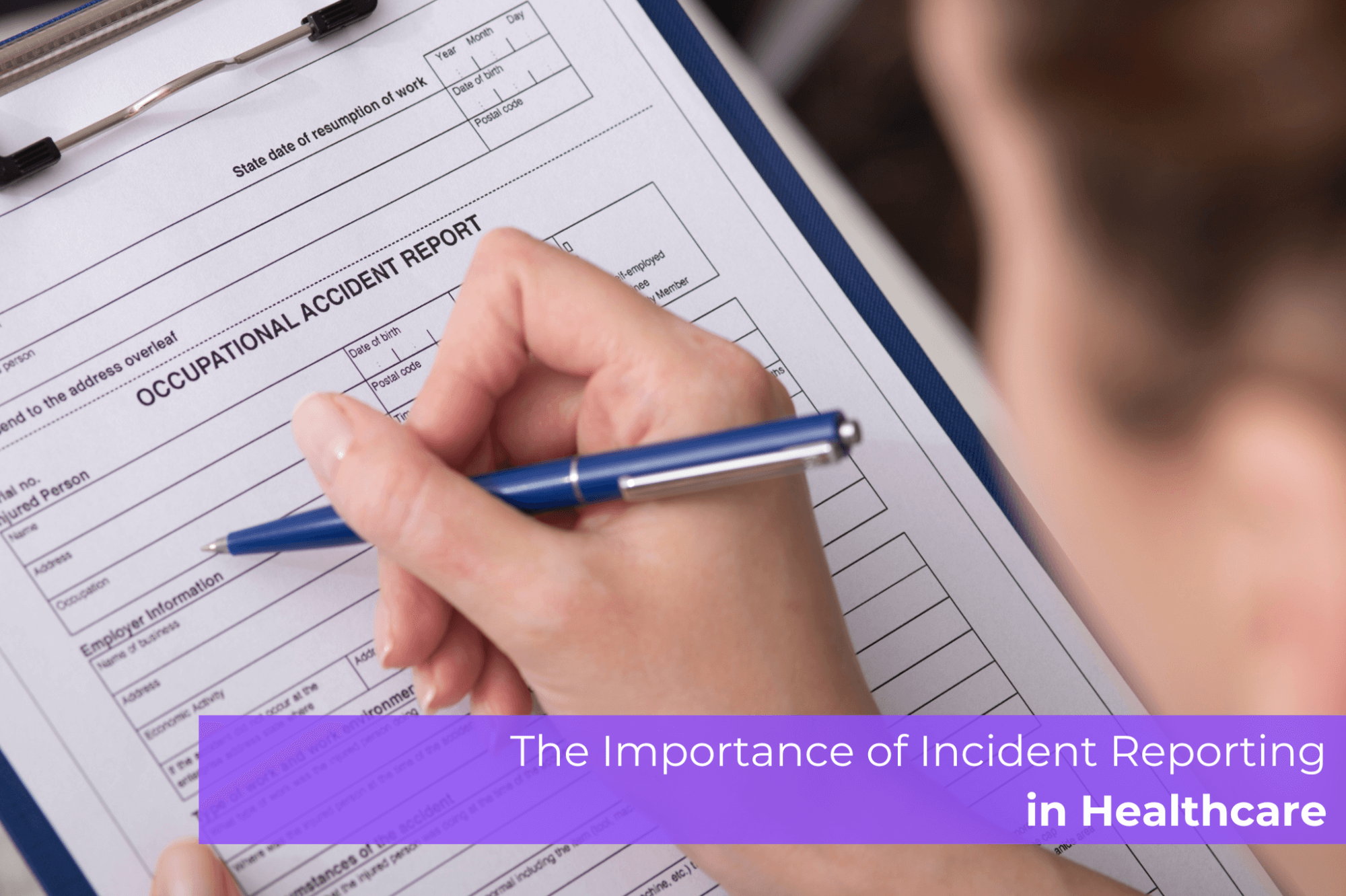
Workplace violence in healthcare is at a crisis point, but comprehensive incident reporting could be the game changer we need. This article is your roadmap to robust reporting protocols, fostering a culture of transparency, and leveraging cutting-edge technologies to build safer environments for healthcare professionals and patients alike.
Workplace violence in healthcare statistics paint a worrying picture for frontline staff within the industry, but recent efforts to tackle these issues through the Workplace Violence Prevention Act for Healthcare and Social Services are gaining increasing support. As highlighted by American Nurses Association President Jennifer Mensik Kennedy:
“Acts of violence against nurses and health care professionals must not be tolerated under any circumstances. And employers have an obligation to ensure the safety of their employees….. Sadly, many do not even feel safe to report their experiences. This bill ensures that health care employers will protect their patients and their staff, with ongoing prevention measures that include incident reporting and response.”
However, while building safer healthcare environments for all stakeholders remains complex, one fundamental tool I regularly champion is the use of comprehensive and incident reporting protocols. Here, we explore this topic, the benefits of proper incident reporting, and how to overcome the challenges associated with this important reporting system.
Understanding Incident Reporting in Healthcare
Incident reporting in healthcare is a systematic process that documents events, near misses, and safety concerns that occur within a medical facility. Its purpose is to improve safety outcomes by learning from mistakes and building preventive measures based on data and reports.
I suggest that any incident reporting protocols should include the following elements:
- Identifying an event or near miss.
- Documenting the incident in detail.
- Submitting the report through the appropriate channels.
- Analyzing the report to uncover root causes.
- Developing strategies for prevention and improvement.
Benefits of Incident Reporting for Patient and Staff Safety
I have seen the benefits of proper incident reporting across numerous industries, but within healthcare, there is huge potential to improve conditions for both patients and staff. Here, I look at some of the key benefits.
Improved Patient Safety
Incident reporting allows healthcare organizations to identify and address patterns of errors, adverse events, and unsafe practices. By analyzing incidents, teams can pinpoint systemic vulnerabilities, implement corrective actions, and prevent recurrence. This proactive approach reduces risks, enhances patient care quality, and ensures compliance with safety standards.
Enhanced Staff Safety
Healthcare professionals often work in high-stress environments where mistakes or unsafe conditions can risk their safety. Incident reporting highlights workplace hazards—such as equipment malfunctions, exposure to infectious agents, or instances of workplace violence—enabling swift corrective measures. A safer workplace improves job satisfaction and reduces burnout.
Strengthened Safety Culture
Encouraging incident reporting demonstrates an organization’s commitment to transparency and continuous improvement. A safety culture that values reporting fosters trust among staff, encourages proactive risk management, and enhances team collaboration.
Legal and Regulatory Compliance
Incident reporting helps healthcare organizations meet regulatory requirements and avoid penalties. Thorough documentation provides evidence of compliance and demonstrates accountability during audits, investigations, or legal proceedings.
Organizational Learning and Innovation
By aggregating and analyzing data from incident reports, healthcare organizations gain insights into trends, recurring issues, and potential innovations. Continuous learning improves processes, reduces costs associated with errors, and positions the organization as a leader in quality care.
Types of Incidents That Should Be Reported
In my experience of incident reporting, there are a core set of incident types that must be reported to enhance both nurse and patient safety. However, each industry will also have its own set of requirements dependent on working conditions. In addition, each clinic or hospital may need to understand its own unique needs. The key categories of reportable incidents within healthcare include:
- Adverse Events — Situations where patients are harmed due to medical intervention or failure to provide intervention in time, such as medication errors or surgical complications.
- Near Misses — Events that could have caused harm but were prevented by timely action.
- Patient Falls — Any instance of a patient falling within the facility, whether or not injury occurs.
- Workplace Injuries — Incidents involving staff, including needlestick injuries, exposure to hazardous materials, or slips and falls.
- Equipment or System Failures — Malfunctions of medical devices or technology that impact care delivery.
- Violence or Aggression — Incidents involving physical or verbal aggression toward staff or patients.
- Infection Control Breaches — Events that compromise infection prevention protocols, such as improper hand hygiene or sterilization lapses.
The Role of Technology in Streamlining Incident Reporting
“The adoption of wearable panic alarms is not just a security upgrade; it's a commitment to the well-being of those who dedicate their lives to provide healing and care. It's about protecting our community spaces. Like any other, the healthcare environment should be a sanctuary, free from the fear of violence.”
I am a great believer in technology as a force for good, and many modern healthcare facilities increasingly rely on digital solutions to enhance safety within facilities. Duress systems are one key tool, with advanced features now also streamlining the process and improving data accuracy within reporting.
For example, I have seen how this type of technology can provide:
1. Immediate Incident Documentation
When a panic button is activated, it triggers an automatic reporting process. Key details such as location, time, and type of incident are logged instantly, minimizing delays and human error.

2. Ease of Use for Staff
With user-friendly interfaces and automated workflows, panic button systems reduce the complexity of reporting incidents. This simplicity encourages participation, ensuring that more events are documented.
3. Real-Time Data Collection
Panic buttons capture information in real time, enabling faster responses to emergencies. This immediacy also supports quicker analysis and resolution of ongoing issues.

Challenges in Incident Reporting and How to Overcome Them
While incident reporting is essential for safety and compliance, I have observed numerous barriers and challenges to its effective implementation across many industries. Healthcare facilities, in particular, face several challenges to fostering robust reporting cultures, and understanding these sticking points is key to building better systems.
Barriers to Reporting
Many healthcare professionals hesitate to report incidents due to fear of blame or punishment, lack of time, or uncertainty about the reporting process. A punitive environment discourages transparency and stifles improvement.
I would suggest that all facilities must establish non-punitive, anonymous reporting systems that emphasize learning over blame. Providing training on the importance of incident reporting and simplifying the process can also remove fear for staff.
Underreporting
Some incidents, particularly near misses or minor errors, may go unreported because they are perceived as unimportant. However, I think that these events have the potential to provide valuable insights into system vulnerabilities.
To tackle this issue it is important to promote the value of reporting all incidents, regardless of severity. I think it is crucial to highlight how near misses can inform proactive measures and prevent adverse events.
Time Constraints
In fast-paced healthcare environments, staff may feel they lack the time to complete detailed incident reports, leading to incomplete or skipped reporting.
I believe that digital reporting tools with user-friendly interfaces that allow quick and accurate documentation can work to solve this. In addition, recording data from panic button usage can also help inform future reporting protocols.
Lack of Feedback
When staff members do not receive updates on the outcomes of their reports, they may feel that their efforts are futile and stop reporting altogether.
From my experiences, building safer working spaces is always a collaborative effort. Develop feedback systems that inform staff about the actions taken based on their submissions to foster engagement and trust.
Conclusion
Building safer workspaces and enhancing safety culture in healthcare requires a multifaceted approach, but fundamental to is incident reporting and data collection. By ensuring that reporting protocols are standardized, comprehensive, and by fostering a supportive and non-punitive working environment, healthcare facilities can build better response systems and look to tackle violence and antisocial behaviour before it becomes detrimental to the care received by patients.
Sources
ROAR for Good. (n.d.). An analysis of workplace violence statistics in healthcare. Retrieved December 3, 2024, from https://www.roarforgood.com/blog/an-analysis-of-workplace-violence-statistics-in-healthcare/
Congress.gov. (n.d.). H.R. 2663 - Workplace Violence Prevention for Health Care and Social Service Workers Act. Retrieved December 3, 2024, from https://www.congress.gov/bill/118th-congress/house-bill/2663
Baldwin, T. (2023). Workplace Violence Prevention Act of 2023: Quotes of support. Retrieved December 3, 2024, from https://roarforgood.com/wp-content/uploads/2024/12/workplace_violence_prevention_act_of_2023_quotes_of_support.pdf
Occupational Safety and Health Administration (OSHA). (n.d.). Healthcare. Retrieved December 3, 2024, from https://www.osha.gov/healthcare
ROAR for Good. (n.d.). Promoting a culture of safety in healthcare. Retrieved December 3, 2024, from https://www.roarforgood.com/blog/promoting-a-culture-of-safety-in-healthcare/
Alhadeff, I. (2023, September 15). Houston innovation expert on integrating safety tech in business. InnovationMap. Retrieved December 3, 2024, from https://houston.innovationmap.com/ilan-alhadeff-tech-safety-2669465744.html
ROAR for Good. (n.d.). Promoting a culture of safety in healthcare. Retrieved December 3, 2024, from https://www.roarforgood.com/blog/promoting-a-culture-of-safety-in-healthcare/